550 U.S. 124 (2007) · 2007
Gonzales v. Carhart
abortionreproductive healthcriminal lawsubstantive due processmedical regulationLandmark
Summary
Gonzales v. Carhart upheld the federal Partial-Birth Abortion Ban Act against a facial constitutional challenge. The Court found the law was not vague and did not impose an undue burden on its face, while leaving as-applied challenges possible. Dobbs later overruled the Roe/Casey framework that shaped the case.
Background & Context
This row must include post-Dobbs context. Gonzales upheld a federal abortion procedure ban under the pre-Dobbs undue-burden framework; Dobbs later overruled Roe and Casey.
The Question Before the Court
Was the federal Partial-Birth Abortion Ban Act facially unconstitutional because it was vague, overbroad, or lacked a health exception?
Petitioner
Gonzales
Party asking the Court to review or reverse
Argued
- Congress could ban the procedure on its face.
Respondent
Carhart
Party defending the judgment below
Argued
- The law lacked a needed health exception.
- The statute was too vague or broad.
The Holding
The Partial-Birth Abortion Ban Act of 2003 was not unconstitutional on its face. The Court held that the Act was not void for vagueness and did not impose an undue burden on its face, even though it lacked a health exception, while leaving room for as-applied challenges.
The Court
How the justices lined up in this decision.
5-4
Vote
Joined decision
8 justicesAK
Anthony Kennedy
Majority
AS
Antonin Scalia
Majority
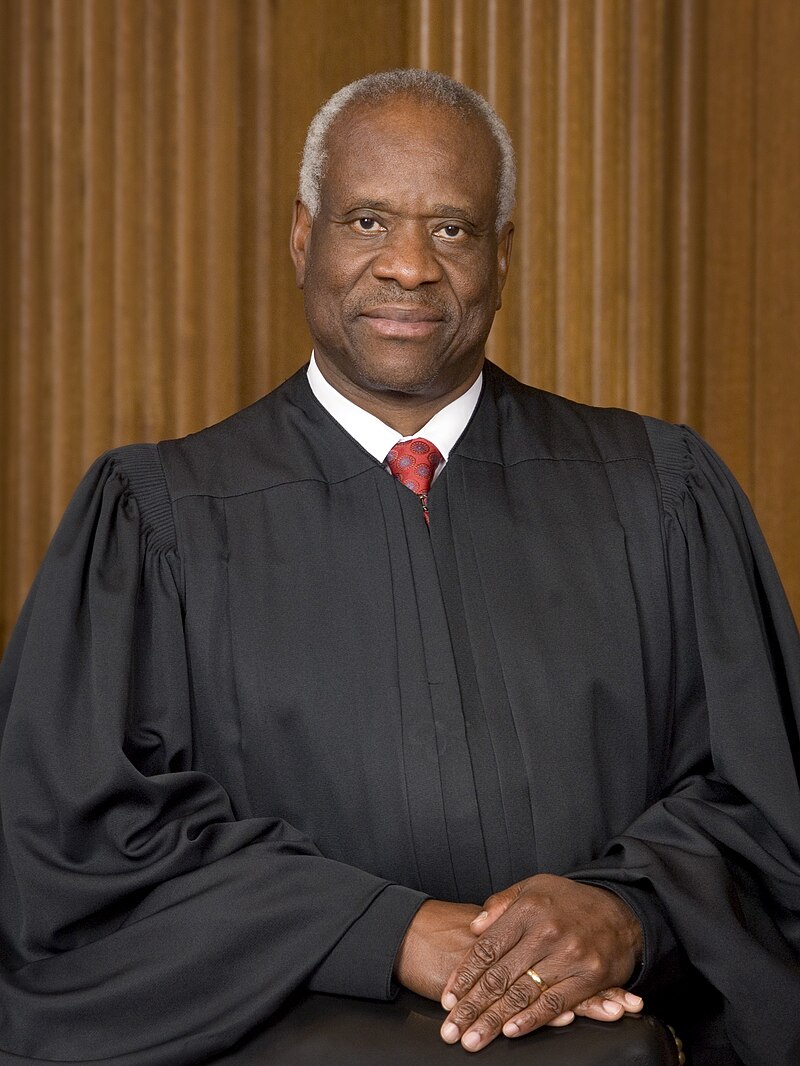
Justice Thomas
Majority
CT
Clarence Thomas
Majority
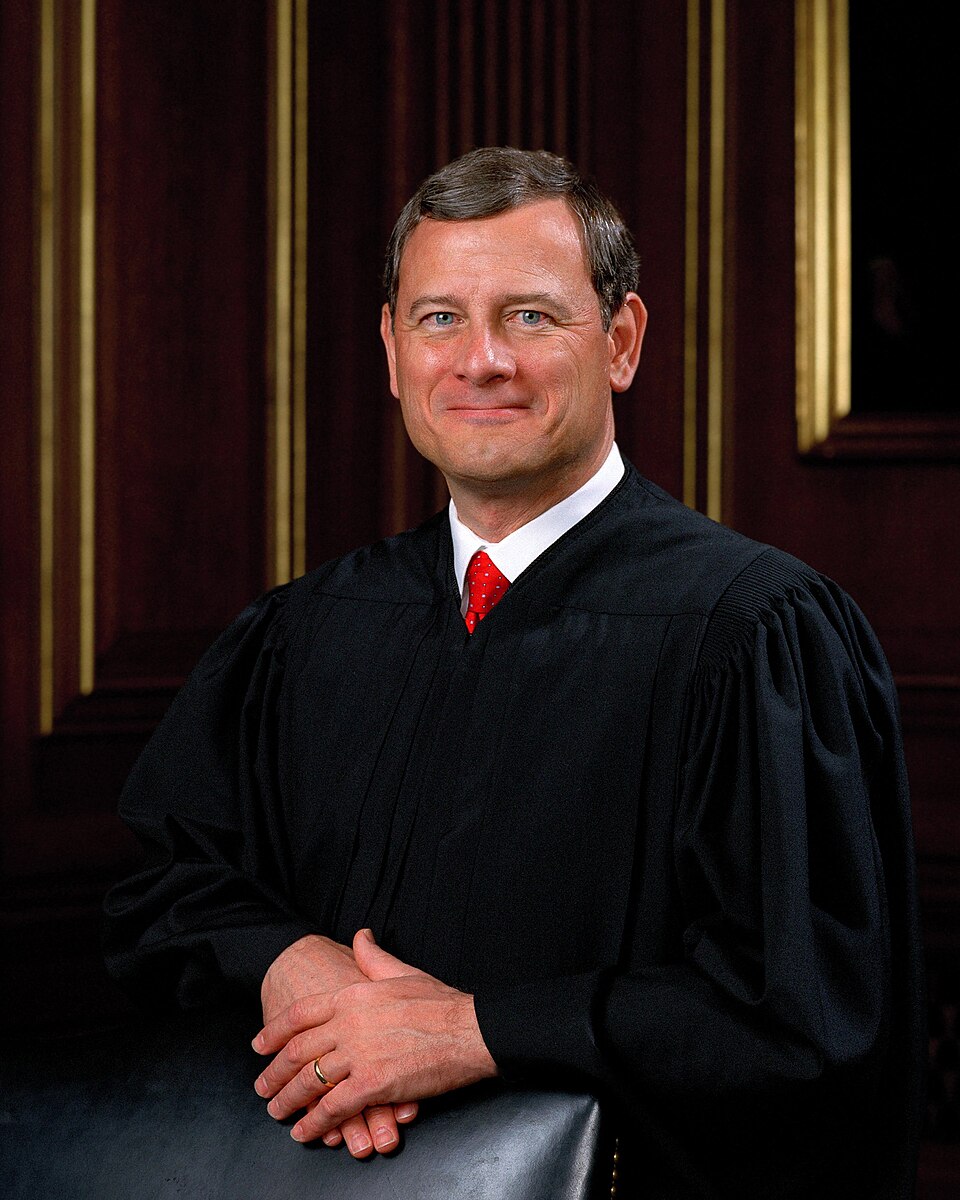
Chief Justice Roberts
Chief Justice
JR
John Roberts
Majority
Justice Alito
Majority
SA
Samuel Alito
Majority
Dissented
4 justicesDS
David Souter
Dissent
JP
John Stevens
Dissent
RB
Ruth Ginsburg
Dissent
SB
Stephen Breyer
Dissent
What this means for you
The ruling gave lawmakers more room to ban particular abortion procedures and signaled a shift in the Court’s abortion doctrine before Dobbs. It affected doctors, clinics, and patients by allowing criminal enforcement of a federal abortion ban without a broad health exception. The case should now be taught with status context: Gonzales operated within Roe and Casey’s framework, but Dobbs later removed that federal constitutional right to previability abortion.
Key Takeaways
- The Court upheld the federal Partial-Birth Abortion Ban Act against a facial challenge.
- The law lacked a broad health exception, but the majority left as-applied challenges open.
- The majority distinguished Stenberg v. Carhart and relied on Casey’s undue-burden framework.
- The dissent said the ruling discounted women’s health and autonomy.
- Dobbs later overruled Roe and Casey, so this case now needs post-Dobbs status context.
Decision
5-4 majority opinion
- Citation
- 550 U.S. 124 (2007)
- Vote
- 5-4
- Decision type
- Majority opinion
- Argued
- November 8, 2006
- Decided
- April 18, 2007
- Term
- 2006
- Opinion author
- Anthony Kennedy
Justice Kennedy wrote the Court’s opinion, joined by Chief Justice Roberts and Justices Scalia, Thomas, and Alito. Justice Thomas concurred, joined by Justice Scalia. Justice Ginsburg dissented, joined by Justices Stevens, Souter, and Breyer.