563 U.S. 333 (2011) · 2011
AT&T Mobility LLC v. Concepcion
arbitrationconsumer rightsclass actionscorporate powercivil procedureLandmark
Summary
AT&T Mobility v. Concepcion held that the Federal Arbitration Act preempts state rules that invalidate many class-action waivers in arbitration agreements. The decision strengthened corporate use of individual arbitration clauses and limited consumer class actions.
Background & Context
This case should be linked with Epic Systems and later arbitration cases. It is about who can aggregate small claims and whether private contracts can block collective enforcement.
The Question Before the Court
Does the Federal Arbitration Act preempt a state-law rule that treats many class-action waivers in consumer arbitration agreements as unconscionable?
Petitioner
AT&T Mobility LLC
Party asking the Court to review or reverse
Argued
- The FAA protects individualized arbitration agreements.
Respondent
Concepcion
Party defending the judgment below
Argued
- Class waivers made small claims practically impossible.
The Holding
The Federal Arbitration Act preempts California’s Discover Bank rule, which treated many class-action waivers in consumer arbitration agreements as unconscionable. States may not require procedures that interfere with arbitration’s fundamental attributes.
The Court
How the justices lined up in this decision.
5-4
Vote
Joined decision
8 justicesAK
Anthony Kennedy
Majority
AS
Antonin Scalia
Majority

Justice Thomas
Majority
CT
Clarence Thomas
Majority

Chief Justice Roberts
Chief Justice
JR
John Roberts
Majority

Justice Alito
Majority
SA
Samuel Alito
Majority
Dissented
6 justices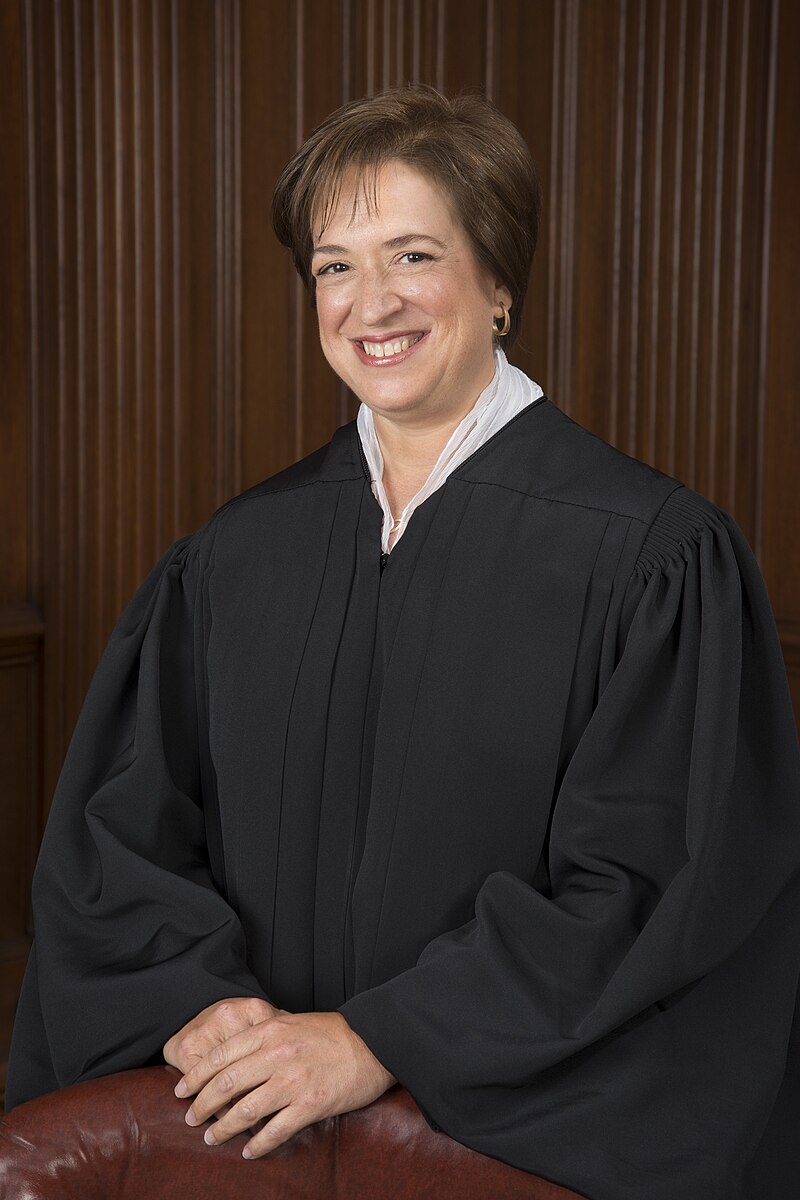
Justice Kagan
Dissent
EK
Elena Kagan
Dissent
RB
Ruth Ginsburg
Dissent

Justice Sotomayor
Dissent
SS
Sonia Sotomayor
Dissent
SB
Stephen Breyer
Dissent
What this means for you
The ruling became a major turning point in forced arbitration. Companies gained more power to block class actions through arbitration clauses, especially in consumer and employment contracts. For people with small-dollar claims, the decision often means they must proceed alone in private arbitration or abandon the claim. That shifts enforcement away from public courts and weakens collective pressure against widespread small harms.
Key Takeaways
- The Court held that the FAA preempted California’s Discover Bank rule.
- Companies may enforce many arbitration agreements that require individual proceedings.
- The majority said classwide arbitration interferes with arbitration’s basic features.
- The dissent warned that small consumer claims would often disappear without class procedures.
- The ruling helped expand forced arbitration in consumer and employment contracts.
Decision
5-4 majority opinion
- Citation
- 563 U.S. 333 (2011)
- Vote
- 5-4
- Decision type
- Majority opinion
- Argued
- November 9, 2010
- Decided
- April 27, 2011
- Term
- 2010
- Opinion author
- Antonin Scalia
Justice Scalia wrote the Court’s opinion, joined by Chief Justice Roberts and Justices Kennedy, Thomas, and Alito. Justice Thomas concurred. Justice Breyer dissented, joined by Justices Ginsburg, Sotomayor, and Kagan.