590 U.S. 644 (2020) · 2020
Bostock v. Clayton County
LGBTQ rightsemployment discriminationcivil rightsstatutory interpretationworkplace lawLandmark
Summary
Bostock held that Title VII's ban on discrimination because of sex protects employees from being fired for being gay or transgender. The Court reasoned that an employer cannot make those decisions without taking the employee's sex into account. The ruling created nationwide federal employment protection for LGBTQ workers under Title VII.
Background & Context
The case combined Bostock v. Clayton County, Altitude Express v. Zarda, and R.G. & G.R. Harris Funeral Homes v. EEOC. The employees alleged they were fired because they were gay or transgender. The Court resolved the cases as a question of Title VII text.
The Question Before the Court
Does Title VII's prohibition on employment discrimination because of sex include discrimination based on sexual orientation or gender identity?
Petitioner
Bostock
Party asking the Court to review or reverse
Argued
- Sex is a but-for cause when an employer fires someone for being gay or transgender.
Respondent
Clayton County
Party defending the judgment below
Argued
- Title VII did not originally address sexual orientation or gender identity by name.
The Holding
Title VII's ban on employment discrimination because of sex includes discrimination against employees for being gay or transgender.
The Court
How the justices lined up in this decision.
4-3
Vote
Joined decision
10 justices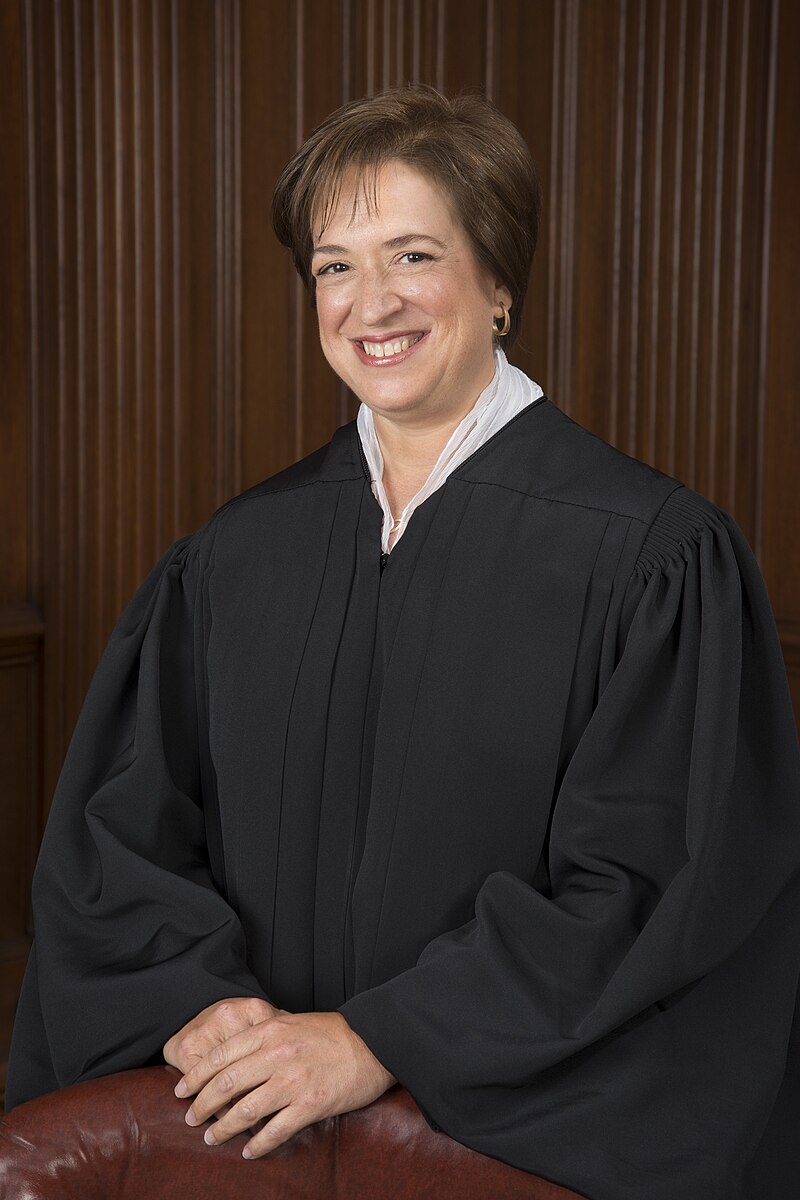
Justice Kagan
Majority
EK
Elena Kagan
Majority
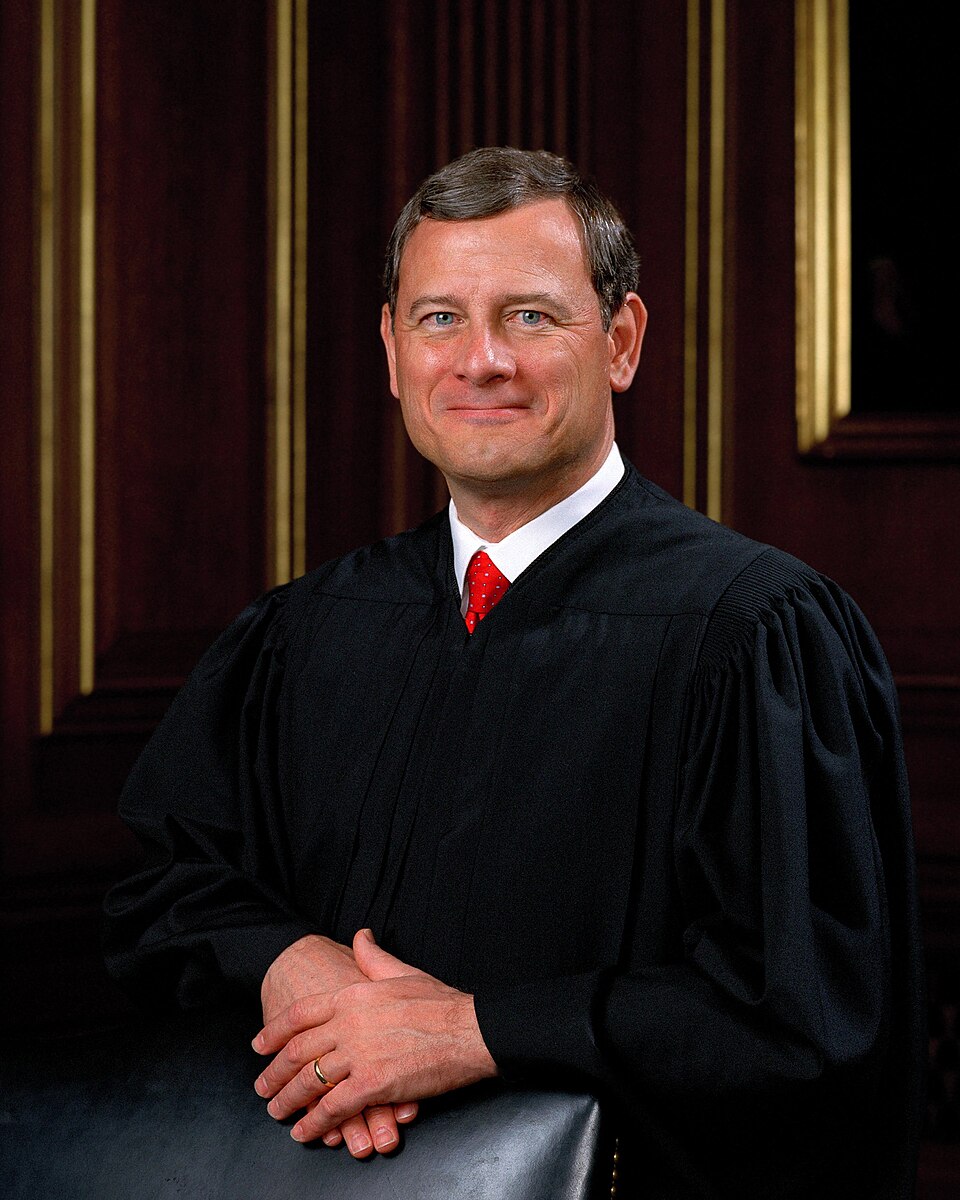
Chief Justice Roberts
Chief Justice
JR
John Roberts
Majority
NG
Neil Gorsuch
Majority
Justice Gorsuch
Majority
RB
Ruth Ginsburg
Majority
Justice Sotomayor
Majority
SS
Sonia Sotomayor
Majority
SB
Stephen Breyer
Majority
Dissented
6 justicesBK
Brett Kavanaugh
Dissent
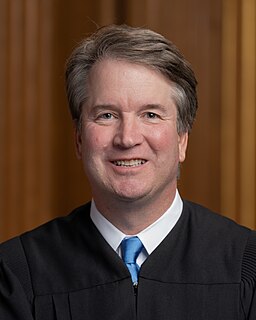
Justice Kavanaugh
Dissent
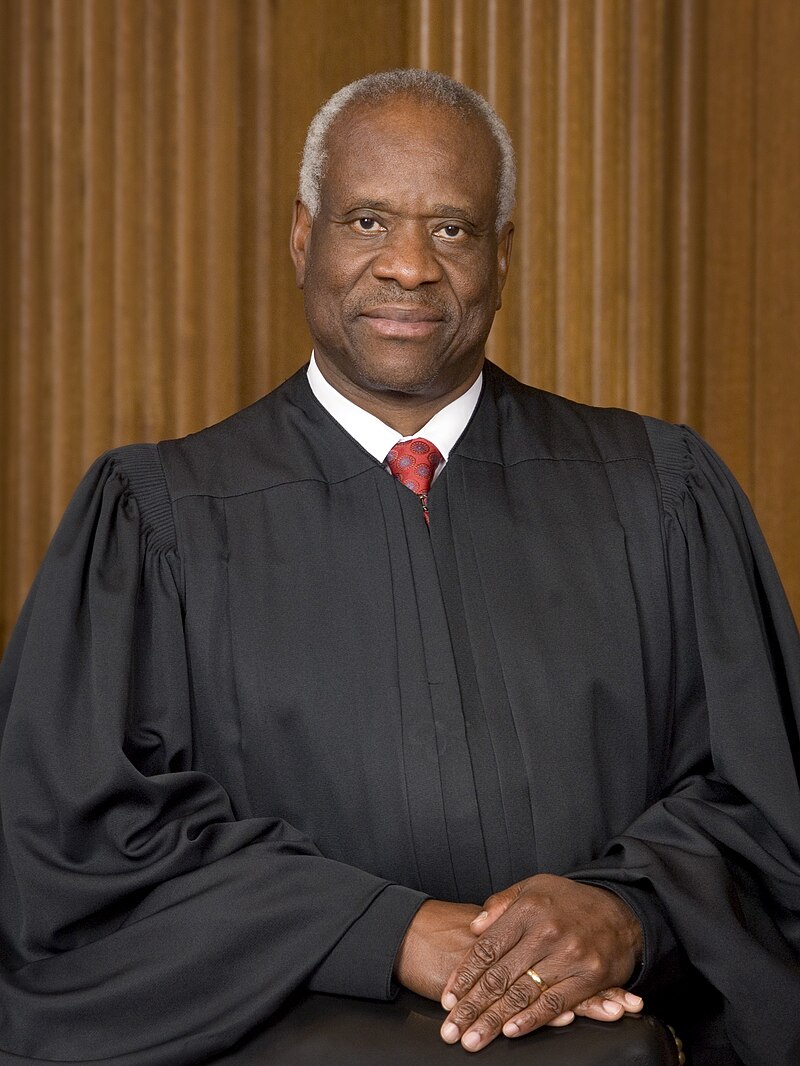
Justice Thomas
Dissent
CT
Clarence Thomas
Dissent
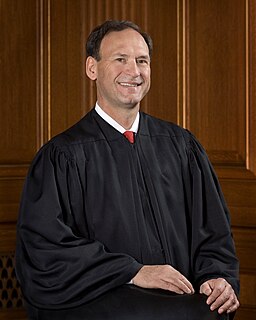
Justice Alito
Dissent
SA
Samuel Alito
Dissent
What this means for you
The ruling gave LGBTQ workers nationwide federal employment protection under Title VII. It affected hiring, firing, harassment, benefits, workplace policies, and litigation strategy. The decision did not decide every religious-liberty or sex-separated-facility question, but it made clear that firing someone for being gay or transgender is sex discrimination under federal employment law.
Key Takeaways
- Title VII covers sexual-orientation and gender-identity discrimination.
- The majority relied on the statutory phrase because of sex.
- The case consolidated claims by gay and transgender employees.
- The decision did not resolve every religious-liberty issue that might arise later.
- The practical effect was nationwide employment protection for LGBTQ workers under federal law.
Decision
4-3 majority opinion
- Citation
- 590 U.S. 644 (2020)
- Vote
- 4-3
- Decision type
- Majority opinion
- Argued
- October 8, 2019
- Decided
- June 15, 2020
- Term
- 2019
- Opinion author
- Neil Gorsuch
Justice Gorsuch wrote the Court's opinion, joined by Chief Justice Roberts and Justices Ginsburg, Breyer, Sotomayor, and Kagan. Justice Alito dissented, joined by Justice Thomas. Justice Kavanaugh dissented separately.