553 U.S. 723 (2008) · 2008
Boumediene v. Bush
Habeas CorpusNational SecurityWar PowersSeparation of PowersDue ProcessLandmark
Summary
The Court ruled that Guantanamo detainees have the constitutional right to seek habeas corpus review in federal court. Congress could not replace habeas with a limited review process that did not let detainees meaningfully challenge the basis for their detention.
Background & Context
After Rasul and Hamdan, Congress passed laws limiting court review for Guantanamo detainees. Boumediene challenged the Military Commissions Act's removal of habeas jurisdiction and the adequacy of the substitute review process.
The Question Before the Court
Does the Suspension Clause protect noncitizen detainees held at Guantanamo Bay, and did Congress provide an adequate substitute for habeas corpus when it stripped federal courts of habeas jurisdiction?
Petitioner
Lakhdar Boumediene et al.
Party asking the Court to review or reverse
Argued
- The detainees argued that U.S. control over Guantanamo was enough for constitutional habeas protection to apply.
- They argued that limited record review in the D.C. Circuit did not let them meaningfully contest the factual and legal basis for detention.
Respondent
George W. Bush, President of the United States, et al.
Party defending the judgment below
Argued
- The government argued that noncitizens held outside sovereign U.S. territory did not have Suspension Clause rights.
- The government argued that the Detainee Treatment Act process was an adequate substitute and that wartime detention review deserved deference.
The Holding
Foreign nationals detained at Guantanamo Bay have the constitutional privilege of habeas corpus under the Suspension Clause. Section 7 of the Military Commissions Act unconstitutionally suspended that privilege because the Detainee Treatment Act review process was not an adequate substitute for habeas review.
The Court
How the justices lined up in this decision.
0-3
Vote
Joined decision
5 justicesAM
Anthony Kennedy
Majority
DH
David Souter
Majority
JP
John Stevens
Majority
RB
Ruth Ginsburg
Majority
SG
Stephen Breyer
Majority
Dissented
7 justicesAS
Antonin Scalia
Dissent
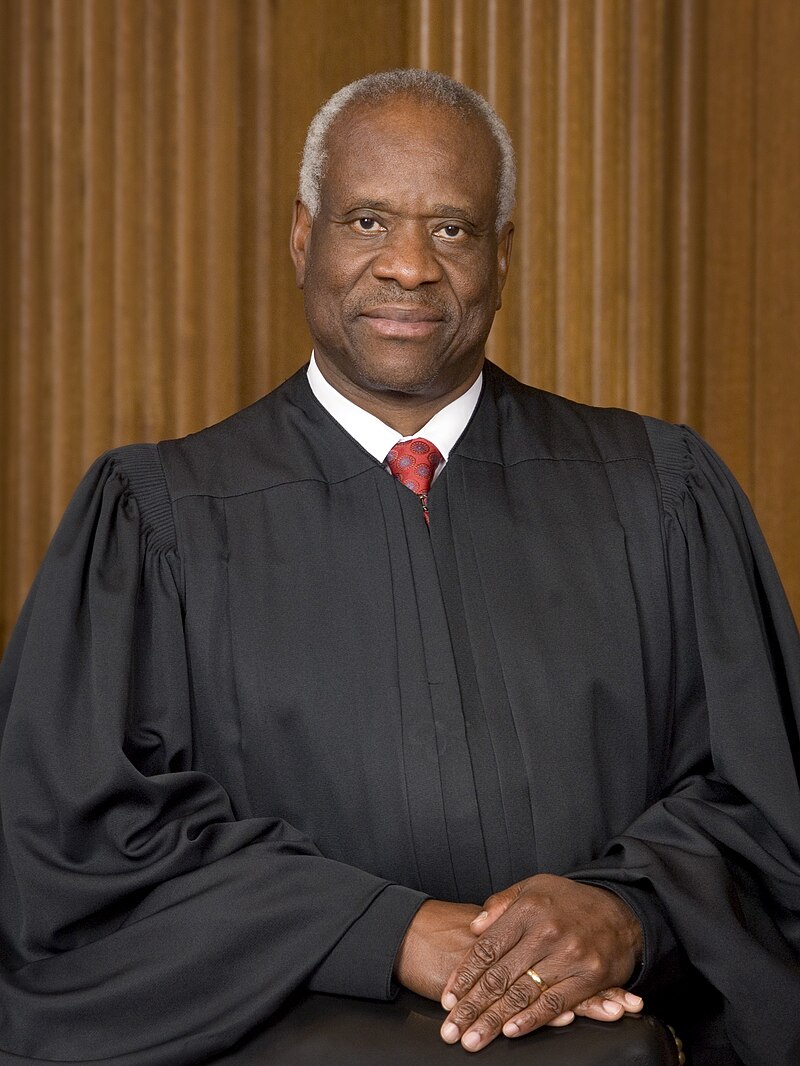
Justice Thomas
Dissent
CT
Clarence Thomas
Dissent

Chief Justice Roberts
Chief Justice
JG
John Jr.
Dissent
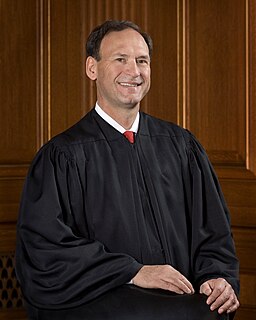
Justice Alito
Dissent
SA
Samuel Jr.
Dissent
What this means for you
Boumediene preserved federal court review for Guantanamo detainees and limited Congress's ability to remove habeas jurisdiction without a valid suspension or an adequate substitute. It did not decide that the detainees had to be released, only that they could challenge their detention through meaningful habeas proceedings.
Key Takeaways
- The Suspension Clause applied at Guantanamo because the United States exercised complete and indefinite control there.
- Congress may not strip habeas jurisdiction without formally suspending the writ or providing an adequate substitute.
- The Detainee Treatment Act review process was too limited to replace habeas.
- The decision allowed detainees to challenge detention; it did not order release on the merits.
- The Court rejected a simple territorial rule that constitutional habeas protection stops outside sovereign U.S. territory.
Decision
0-3 majority opinion
- Citation
- 553 U.S. 723 (2008)
- Vote
- 0-3
- Decision type
- Majority opinion
- Argued
- December 5, 2007
- Decided
- June 12, 2008
- Term
- 2007
- Opinion author
- Anthony M. Kennedy
Justice Kennedy wrote for a five-justice majority joined by Justices Stevens, Souter, Ginsburg, and Breyer. Justice Souter concurred, joined by Justices Ginsburg and Breyer. Chief Justice Roberts dissented, and Justice Scalia dissented in an opinion joined by Chief Justice Roberts and Justices Thomas and Alito.