584 U.S. 497 (2018) · 2018
Epic Systems Corp. v. Lewis
labor rightsforced arbitrationclass actionsworker poweremployment lawLandmark
Summary
Epic Systems held that employment arbitration agreements requiring individualized proceedings are enforceable. The Court rejected the argument that the NLRA protects class or collective litigation strongly enough to override the FAA.
Background & Context
Many employers require workers to sign arbitration agreements that move disputes out of court. The issue was whether those agreements could also force workers to proceed alone rather than together.
The Question Before the Court
Do the FAA and NLRA allow employers to enforce arbitration agreements requiring individual proceedings and waiving class or collective action?
Petitioner
Epic Systems Corp.
Party asking the Court to review or reverse
Argued
- The FAA requires enforcement of the agreements.
Respondent
Lewis
Party defending the judgment below
Argued
- Collective litigation is protected concerted activity.
The Holding
Arbitration agreements requiring individualized proceedings must be enforced under the Federal Arbitration Act, and neither the FAA's saving clause nor the National Labor Relations Act makes class- or collective-action waivers unlawful.
The Court
How the justices lined up in this decision.
4-2
Vote
Joined decision
9 justicesAK
Anthony Kennedy
Majority
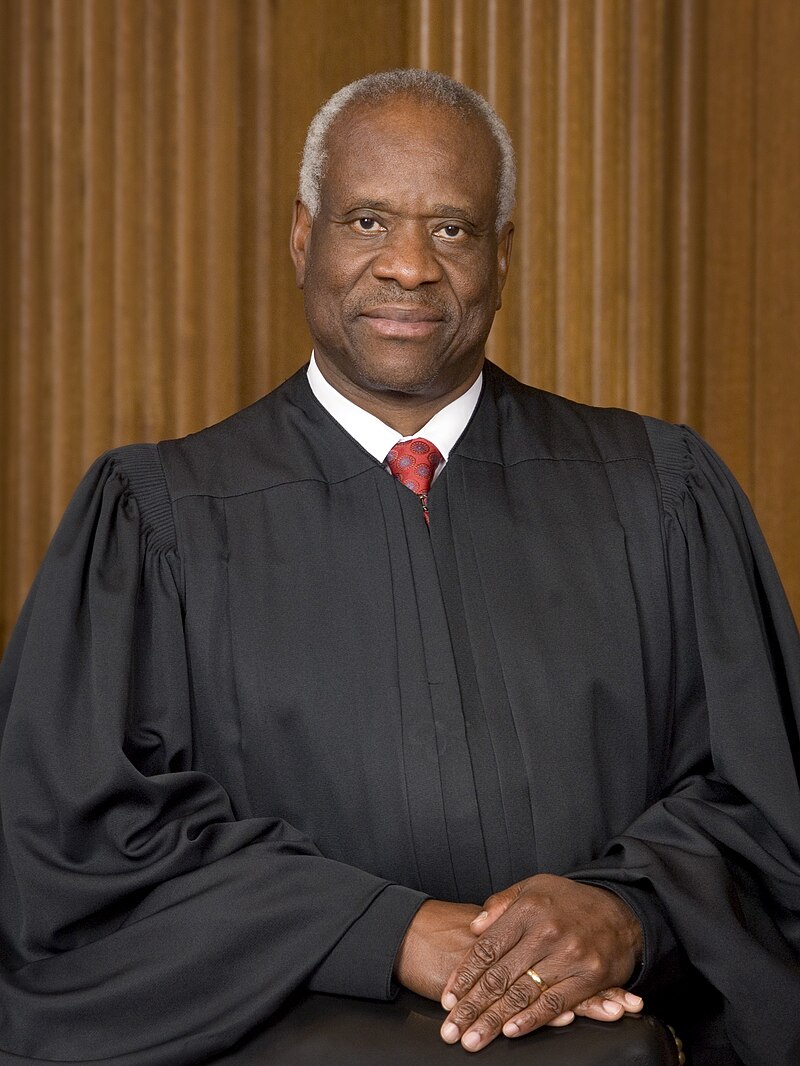
Justice Thomas
Majority
CT
Clarence Thomas
Majority
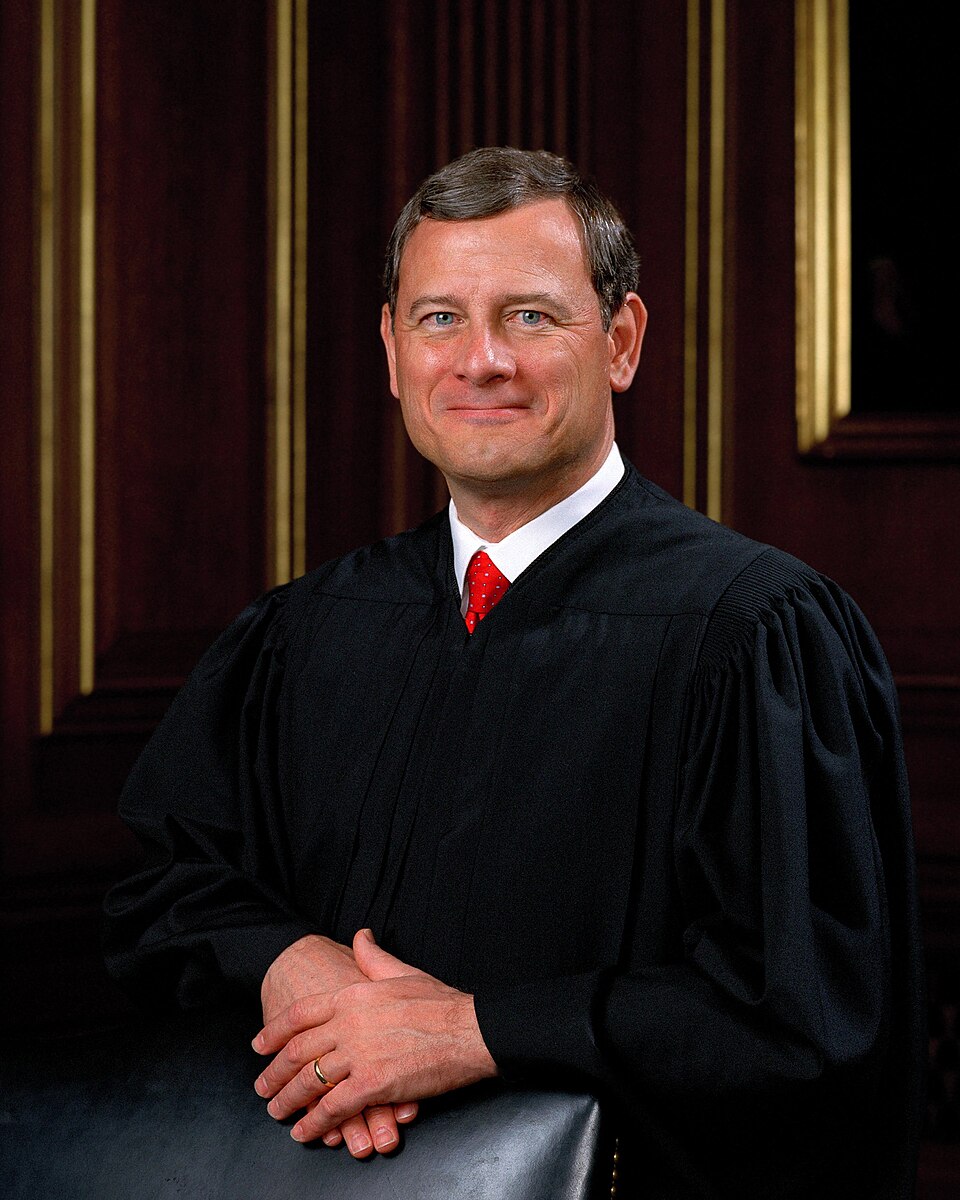
Chief Justice Roberts
Chief Justice
JR
John Roberts
Majority
NG
Neil Gorsuch
Majority
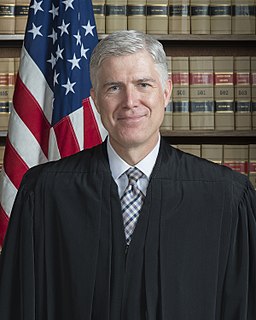
Justice Gorsuch
Majority
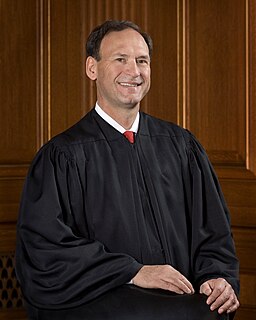
Justice Alito
Majority
SA
Samuel Alito
Majority
Dissented
6 justices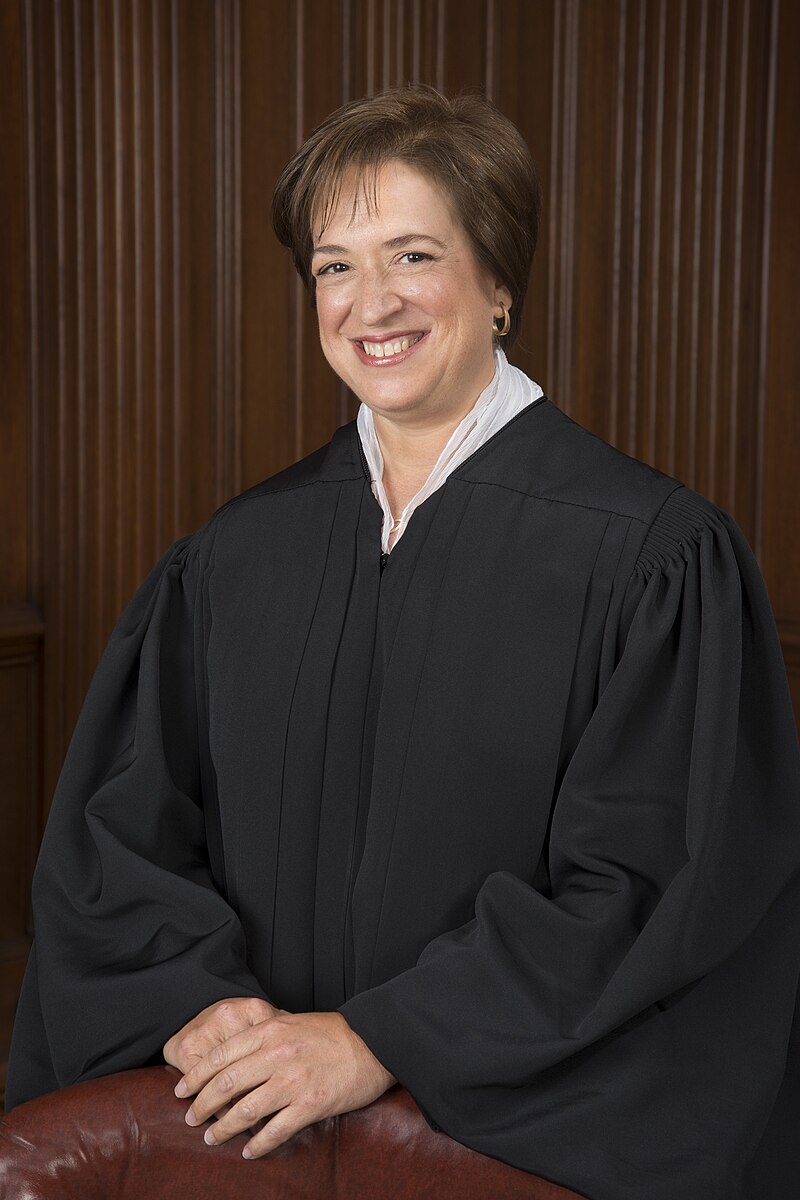
Justice Kagan
Dissent
EK
Elena Kagan
Dissent
RB
Ruth Ginsburg
Dissent
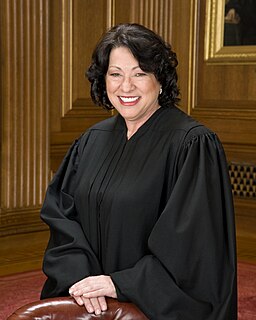
Justice Sotomayor
Dissent
SS
Sonia Sotomayor
Dissent
SB
Stephen Breyer
Dissent
What this means for you
The decision shifted power toward employers who use forced arbitration clauses. Workers with low-value wage claims or systemic workplace claims often lose the practical ability to act together, which can make violations harder to challenge. The ruling also reduced public court litigation because many employment disputes are pushed into private arbitration.
Key Takeaways
- The FAA requires enforcement of individualized arbitration agreements.
- The NLRA does not override the FAA in this context.
- Workers can be required to waive class and collective proceedings as a condition of employment.
- The decision consolidated Epic Systems, Ernst & Young, and Murphy Oil disputes.
- The practical effect is weaker collective enforcement of workplace rights for many workers.
Decision
4-2 majority opinion
- Citation
- 584 U.S. 497 (2018)
- Vote
- 4-2
- Decision type
- Majority opinion
- Argued
- October 2, 2017
- Decided
- May 21, 2018
- Term
- 2017
- Opinion author
- Neil Gorsuch
Justice Gorsuch wrote the Court's opinion, joined by Chief Justice Roberts and Justices Kennedy, Thomas, and Alito. Justice Thomas concurred. Justice Ginsburg dissented, joined by Justices Breyer, Sotomayor, and Kagan.