590 U.S. 83 (2020) · 2020
Ramos v. Louisiana
criminal justicejury trialsracial justiceJim Crowincorporation doctrineLandmark
Summary
Ramos v. Louisiana held that state felony convictions for serious offenses require unanimous juries. The decision overruled Apodaca v. Oregon and invalidated Louisiana's and Oregon's non-unanimous jury systems. The Court emphasized both constitutional text and history, including the racist roots of Louisiana's rule.
Background & Context
Louisiana adopted non-unanimous felony juries after Reconstruction as part of a broader effort to weaken Black civic power. Oregon's rule also had discriminatory roots. Ramos challenged a system that allowed the state to convict even when two jurors voted not guilty.
The Question Before the Court
Does the Sixth Amendment require unanimous jury verdicts for serious criminal offenses in state court?
Petitioner
Ramos
Party asking the Court to review or reverse
Argued
- The Sixth Amendment requires unanimity.
- The non-unanimous rule diluted juror power.
Respondent
Louisiana
Party defending the judgment below
Argued
- Apodaca should control.
- Reliance interests mattered.
The Holding
The Sixth Amendment requires a unanimous jury verdict to convict a defendant of a serious offense, and that requirement applies to the states through the Fourteenth Amendment.
The Court
How the justices lined up in this decision.
2-5
Vote
Joined decision
8 justicesBK
Brett Kavanaugh
Majority
CT
Clarence (judgment)
Majority
NG
Neil Gorsuch
Majority
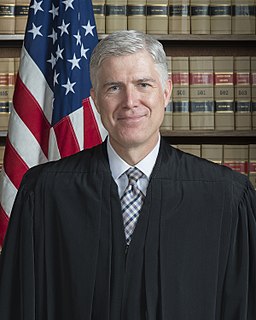
Justice Gorsuch
Majority
RB
Ruth Ginsburg
Majority
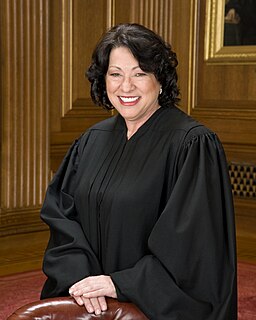
Justice Sotomayor
Majority
SS
Sonia Sotomayor
Majority
SB
Stephen Breyer
Majority
Concurred
3 justices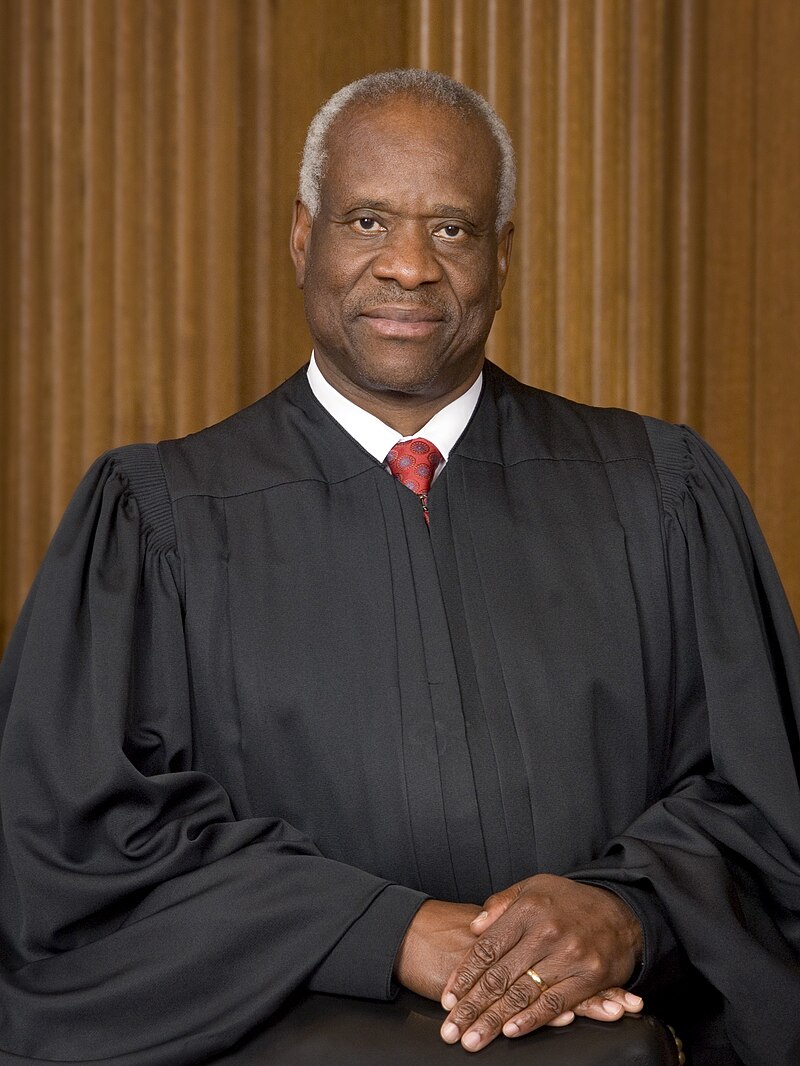
Justice Thomas
Concurred in judgment
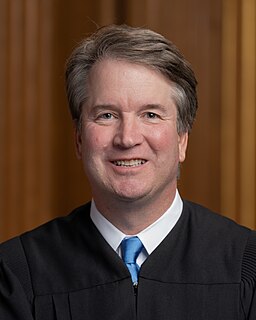
Justice Kavanaugh
Concurred
CT
Clarence Thomas
Concurred
Dissented
6 justices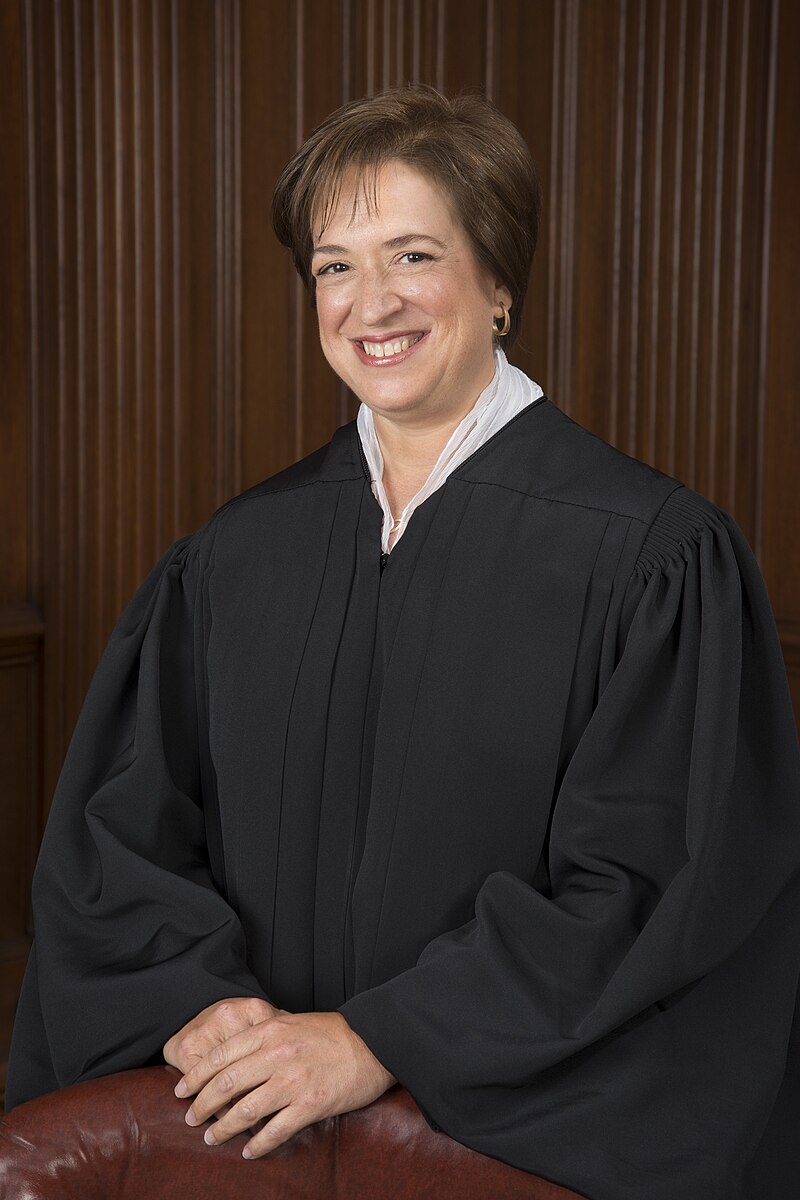
Justice Kagan
Dissent
EK
Elena Kagan
Dissent
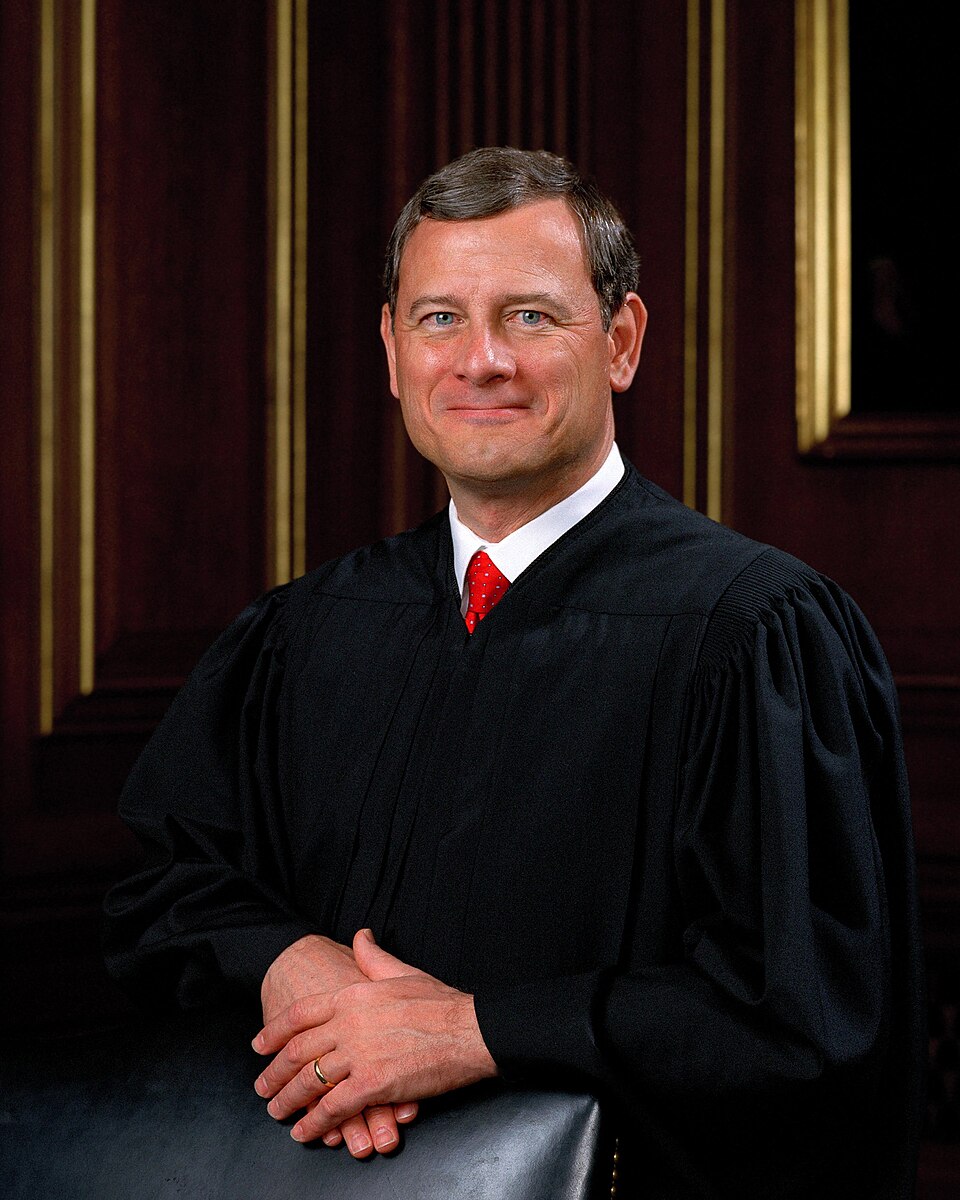
Chief Justice Roberts
Chief Justice
JR
John Roberts
Dissent
Justice Alito
Dissent
SA
Samuel Alito
Dissent
What this means for you
The ruling protected criminal defendants from being convicted when some jurors have reasonable doubt. It had special significance in Louisiana, where the non-unanimous jury rule grew from a Jim Crow convention meant to weaken Black jurors' power. The decision forced Louisiana and Oregon to use unanimous juries going forward and opened litigation over older convictions.
Key Takeaways
- The Sixth Amendment requires unanimous juries for serious criminal convictions.
- That requirement applies to the states through the Fourteenth Amendment.
- The Court overruled Apodaca v. Oregon.
- Louisiana's rule had Jim Crow roots designed to dilute Black jurors' power.
- The ruling required Louisiana and Oregon to stop using non-unanimous felony convictions going forward.
Decision
2-5 plurality opinion
- Citation
- 590 U.S. 83 (2020)
- Vote
- 2-5
- Decision type
- Plurality opinion
- Argued
- October 7, 2019
- Decided
- April 20, 2020
- Term
- 2019
- Opinion author
- Neil Gorsuch
Justice Gorsuch announced the judgment. Justices Ginsburg, Breyer, Sotomayor, and Kavanaugh joined key parts; Justice Thomas concurred in the judgment. Justice Alito dissented, joined by Chief Justice Roberts and in large part by Justice Kagan.