545 U.S. 469 (2005) · 2005
Kelo v. City of New London
property rightseminent domainlocal governmenteconomic developmentdisplacementLandmark
Summary
Kelo v. City of New London held that economic development can count as public use under the Fifth Amendment when part of a comprehensive redevelopment plan. The decision allowed the city’s takings, but it produced major backlash and state-level reforms limiting eminent domain.
Background & Context
This case should be written with displacement and local political power in view. It is not only about abstract property doctrine; it shows how redevelopment can burden homeowners and small communities while promising public economic gains.
The Question Before the Court
Does taking private property for transfer to private developers as part of an economic-development plan satisfy the Fifth Amendment’s public-use requirement?
Petitioner
Kelo
Party asking the Court to review or reverse
Argued
- Economic development is not public use.
Respondent
City of New London
Party defending the judgment below
Argued
- The redevelopment plan served a public purpose.
The Holding
A city’s use of eminent domain to take private property as part of a comprehensive economic-development plan qualified as “public use” under the Fifth Amendment, even though the land would be transferred to private developers.
The Court
How the justices lined up in this decision.
0-1
Vote
Joined decision
5 justicesAK
Anthony Kennedy
Majority
DS
David Souter
Majority
JP
John Stevens
Majority
RB
Ruth Ginsburg
Majority
SB
Stephen Breyer
Majority
Dissented
5 justicesAS
Antonin Scalia
Dissent
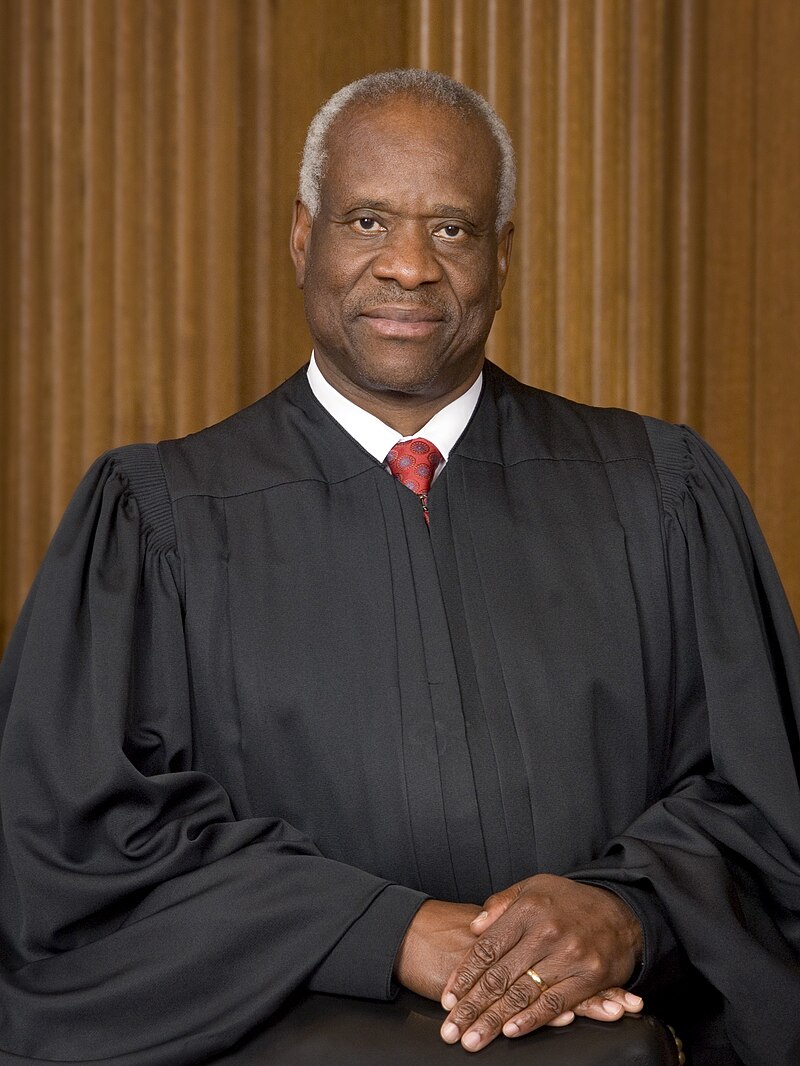
Justice Thomas
Dissent
CT
Clarence Thomas
Dissent
SD
Sandra O’Connor
Dissent
WR
William Rehnquist
Dissent
What this means for you
Kelo triggered a national backlash because it showed how eminent domain can move property from people with less political power to projects backed by developers and local officials. The ruling did not require cities to use eminent domain for private development, and many states later restricted the practice by statute or constitutional amendment. It remains a key case for understanding property rights, redevelopment, displacement, and who gets to decide what counts as a public benefit.
Key Takeaways
- The Court read public use broadly to include public purpose and economic development.
- The property was taken from private owners and expected to be transferred for private redevelopment.
- The majority deferred to the city’s comprehensive development plan.
- The dissents warned that the ruling threatened less powerful property owners.
- Many states later passed reforms limiting eminent domain after Kelo.
Decision
0-1 majority opinion
- Citation
- 545 U.S. 469 (2005)
- Vote
- 0-1
- Decision type
- Majority opinion
- Argued
- February 22, 2005
- Decided
- June 23, 2005
- Term
- 2004
- Opinion author
- John Paul Stevens
Justice Stevens wrote the Court’s opinion, joined by Justices Kennedy, Souter, Ginsburg, and Breyer. Justice Kennedy concurred. Justice O’Connor dissented, joined by Chief Justice Rehnquist and Justices Scalia and Thomas. Justice Thomas also dissented separately.