Summary
The Court struck down laws that criminalized consensual same-sex intimate conduct, protecting private sexual liberty under the Due Process Clause of the Fourteenth Amendment.
Background & Context
On September 17, 1998, Houston police officers responded to a reported weapons disturbance at an apartment in Harris County, Texas. When they entered the residence, they found John Lawrence and Tyron Garner, two men, engaged in a consensual sexual act. They were arrested under Texas Penal Code § 21.06, which made "deviate sexual intercourse" between members of the same sex a Class C misdemeanor. Both men were held overnight and fined $200 each plus court costs. They challenged the constitutionality of the statute. Texas was one of 13 states that still had sodomy laws in 2003. Most applied only to same-sex conduct (like Texas), while some applied to all persons. Lawrence and Garner's legal team argued that the Texas law violated the Due Process Clause's guarantee of liberty by criminalizing consensual private sexual conduct between adults. The case directly asked the Court to reconsider Bowers v. Hardwick (1986), in which the Court had upheld Georgia's sodomy law 5-4, ruling that the Constitution did not protect a "fundamental right" to engage in homosexual sodomy. Bowers had been criticized harshly in the years since — including by Justice Kennedy, who later wrote a scathing criticism of it in a 1998 article. One of the five Bowers justices, Lewis Powell, had publicly expressed regret for his pivotal vote. The cultural and legal landscape had shifted substantially in the 17 years since Bowers.
The Question Before the Court
Does a Texas law criminalizing consensual same-sex sexual conduct between adults violate the Due Process Clause of the Fourteenth Amendment?
Petitioner
Lawrence
Party asking the Court to review or reverse
Argued
- Law criminalizes sexual intimacy by same-sex couples but not identical behavior by different-sex couples, violating equal protection
- Convictions for adult consensual sexual intimacy in home violate liberty and privacy protected by Due Process Clause
- Bowers v. Hardwick (1986) was wrongly decided and should be overruled
- Constitution protects personal decisions relating to marriage, procreation, contraception, family relationships, and child rearing
- Homosexuals may seek autonomy for these purposes under substantive due process
- Texas statute furthers no legitimate state interest to justify intrusion into private life
Respondent
Texas
Party defending the judgment below
Argued
- Bowers v. Hardwick (1986) upheld similar Georgia statute and remains good law
- Constitution does not confer fundamental right upon homosexuals to engage in sodomy
- States have legitimate interest in regulating sexual conduct to protect public morals and health
- Longstanding moral antipathy toward sodomy sufficient to support law
- Equal protection not violated; state has rational basis for distinction
- Historical tradition supports regulation; as of 1960, every state had anti-sodomy law
The Holding
The Supreme Court ruled 6-3 that the Texas sodomy law violated the Due Process Clause of the Fourteenth Amendment. Justice Kennedy wrote the majority opinion, which overruled Bowers v. Hardwick (1986). The majority held that the liberty protected by the Constitution allows persons the right to engage in private sexual conduct without government intervention. Kennedy's opinion framed the issue broadly — not as a right to homosexual sodomy, but as the right of adults to make their own choices about intimate life. The majority also noted that Bowers had mischaracterized the history of anti-sodomy laws and that the case had been wrongly decided from the beginning. Justice O'Connor concurred in the judgment but would have struck down the law on equal protection grounds — since Texas only criminalized same-sex conduct, it treated same-sex and opposite-sex couples differently without rational basis. Kennedy's majority opinion, by contrast, found a liberty right that applied more broadly. Justice Scalia wrote a sharp dissent warning that the ruling would inevitably lead to the legalization of same-sex marriage — a prediction that proved accurate in Obergefell v. Hodges (2015).
The Court
How the justices lined up in this decision.
6-3
Vote
Dissented
1 justice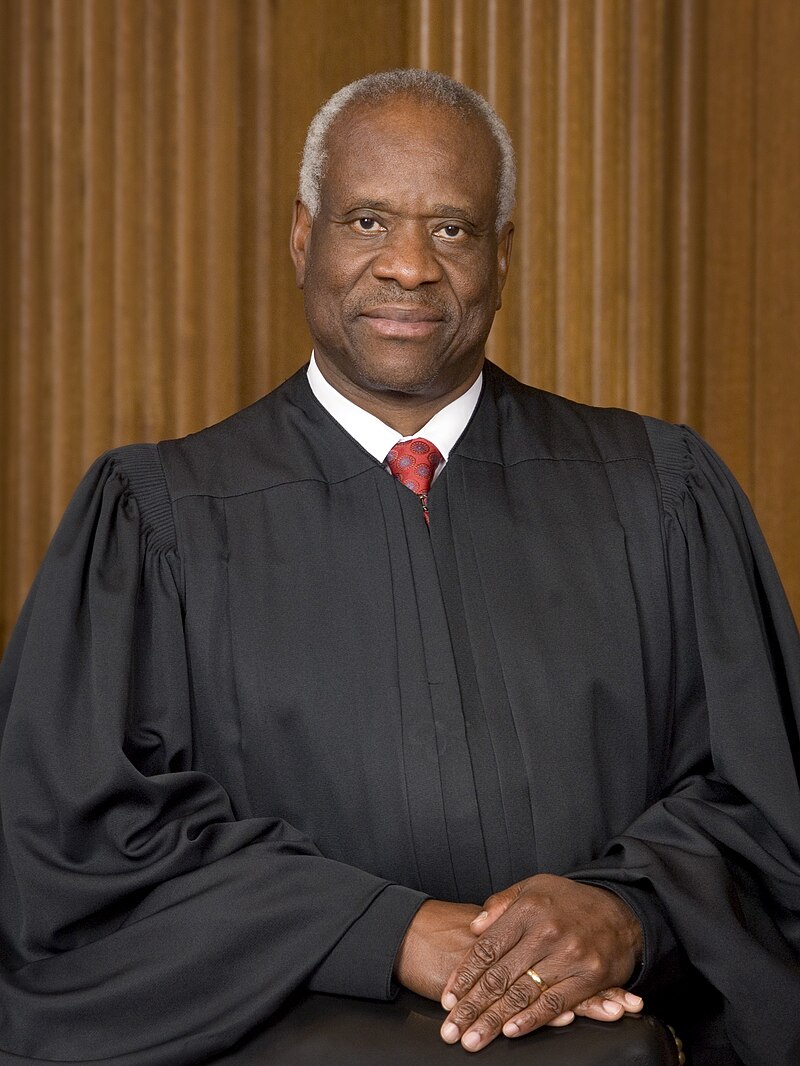
Justice Thomas
Dissent
What this means for you
The decision invalidated state sodomy laws that criminalized private, consensual same-sex intimate conduct, removed criminal penalties and stigma for many LGBT people, and paved the way for later federal recognition of LGBT rights (affecting employment, family law, and marriage litigation).
Key Takeaways
- Struck down Texas's same-sex sodomy law 6-3, overruling Bowers v. Hardwick (1986)
- Justice Kennedy wrote the majority, framing privacy broadly as a liberty right for all adults
- Justice O'Connor concurred on equal protection grounds only — leaving open the broader liberty ruling
- Scalia's dissent predicted same-sex marriage would follow — it did, in Obergefell (2015)
- Thomas wrote a separate brief dissent calling the law "uncommonly silly" but finding no constitutional violation
Decision
6-3 decision
- Citation
- 539 U.S. 558 (2003)
- Vote
- 6-3
- Opinion author
- Justice Anthony M. Kennedy