550 U.S. 618 (2007) · 2007
Ledbetter v. Goodyear Tire & Rubber Co.
employment discriminationequal payworkers rightscivil rightsstatutory interpretationLandmark
Summary
Ledbetter v. Goodyear held that Lilly Ledbetter’s Title VII pay-discrimination claim was untimely because she did not file within the charging period after the pay-setting decisions. Congress later changed the rule through the Lilly Ledbetter Fair Pay Act of 2009.
Background & Context
This case must be taught with the later congressional override. Ledbetter was a Supreme Court interpretation of Title VII timing, not the current complete rule after the 2009 Fair Pay Act.
The Question Before the Court
Does each paycheck affected by a past discriminatory pay decision restart Title VII’s filing period, or must the worker file within the period after the original pay-setting decision?
Petitioner
Ledbetter
Party asking the Court to review or reverse
Argued
- Each discriminatory paycheck should count.
- Pay discrimination is often hidden.
Respondent
Goodyear Tire & Rubber Co.
Party defending the judgment below
Argued
- The claim was filed too late.
- Later paychecks reflected past decisions, not new violations.
The Holding
A Title VII pay-discrimination charge must be filed within the statutory charging period after the allegedly discriminatory pay-setting decision. Later paychecks affected by that past decision did not restart the filing period under the Court’s interpretation of Title VII. Congress later changed this rule through the Lilly Ledbetter Fair Pay Act of 2009.
The Court
How the justices lined up in this decision.
3-0
Vote
Joined decision
8 justicesAK
Anthony Kennedy
Majority
AS
Antonin Scalia
Majority
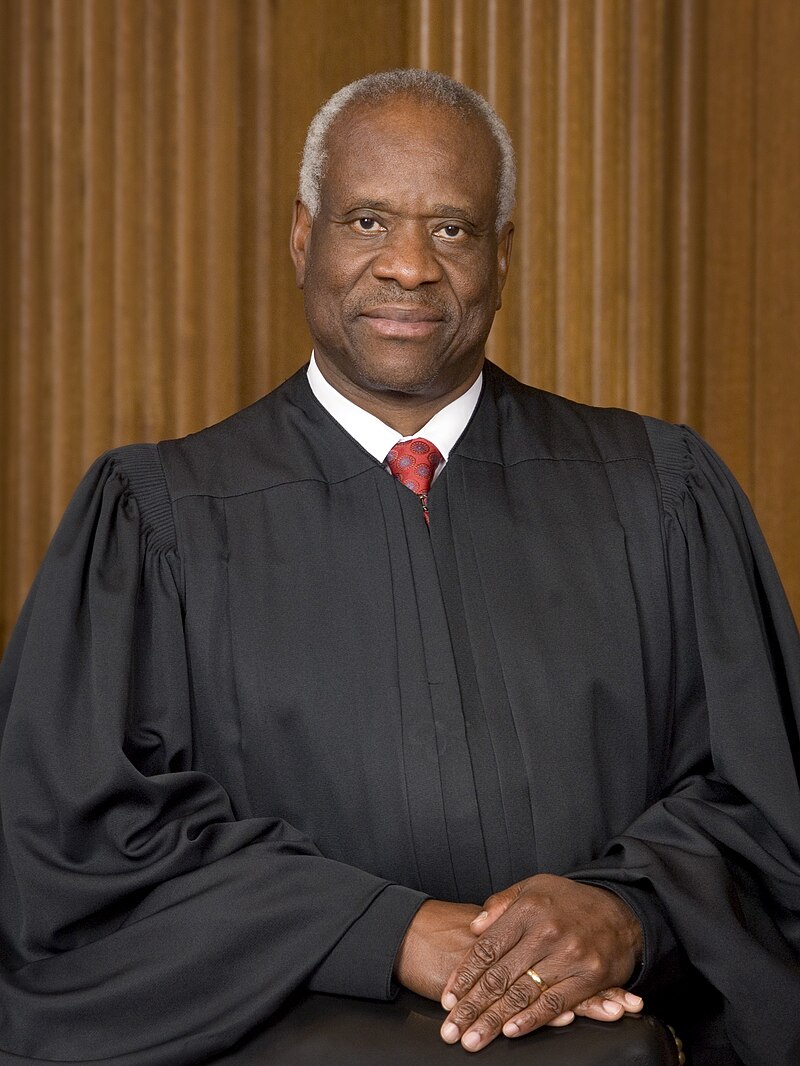
Justice Thomas
Majority
CT
Clarence Thomas
Majority

Chief Justice Roberts
Chief Justice
JR
John Roberts
Majority

Justice Alito
Majority
SA
Samuel Alito
Majority
Dissented
4 justicesDS
David Souter
Dissent
JP
John Stevens
Dissent
RB
Ruth Ginsburg
Dissent
SB
Stephen Breyer
Dissent
What this means for you
The decision showed how procedural deadlines can block discrimination claims even when unequal pay continues. It mattered especially for workers who do not know coworkers’ salaries or cannot discover pay discrimination quickly. The later Fair Pay Act restored a more worker-protective rule by treating each discriminatory paycheck as a new unlawful employment practice for filing purposes.
Key Takeaways
- The Court treated the original pay-setting decision as the key discriminatory act for Title VII timing.
- Later paychecks did not restart the filing period under the Court’s interpretation.
- Justice Ginsburg’s dissent emphasized that pay discrimination is often hidden from workers.
- Congress later overrode the rule through the Lilly Ledbetter Fair Pay Act of 2009.
- The case shows how filing deadlines can determine whether discrimination claims are heard at all.
Decision
3-0 majority opinion
- Citation
- 550 U.S. 618 (2007)
- Vote
- 3-0
- Decision type
- Majority opinion
- Argued
- November 27, 2006
- Decided
- May 29, 2007
- Term
- 2006
- Opinion author
- Samuel Alito
Justice Alito wrote the Court’s opinion, joined by Chief Justice Roberts and Justices Scalia, Kennedy, and Thomas. Justice Ginsburg dissented, joined by Justices Stevens, Souter, and Breyer.