584 U.S. 617 (2018) · 2018
Masterpiece Cakeshop, Ltd. v. Colorado Civil Rights Commission
religious libertyfree exercisecivil rightspublic accommodationsLGBTQ rightsLandmark
Summary
Masterpiece Cakeshop was a narrow Free Exercise decision. The Court held that Colorado officials handled Jack Phillips' religious objection with impermissible hostility, so the state order against him had to be reversed. The Court left open the broader question of when public accommodations laws may require expressive services for same-sex weddings over religious or speech objections.
Background & Context
The case arose after Craig and Mullins filed a Colorado civil rights complaint against Phillips and Masterpiece Cakeshop. They argued that the refusal to make a wedding cake for their same-sex wedding violated Colorado's public accommodations law. Phillips argued that making the cake would conflict with his religious beliefs and would compel expression. Colorado officials rejected his defenses, and the Colorado Court of Appeals affirmed. The Supreme Court reviewed whether the state proceeding respected the First Amendment's requirement of religious neutrality.
The Question Before the Court
Did Colorado violate the Free Exercise Clause by enforcing its public accommodations law against a baker through a process that showed hostility toward his religious objection to creating a wedding cake for a same-sex couple?
Petitioner
Masterpiece Cakeshop, Ltd.; Jack C. Phillips
Party asking the Court to review or reverse
Argued
- Colorado showed hostility toward Phillips' religious beliefs.
- A custom wedding cake can be expressive.
- The refusal concerned the wedding event, not ordinary service to gay customers.
Respondent
Colorado Civil Rights Commission; Charlie Craig; David Mullins
Party defending the judgment below
Argued
- Colorado's public accommodations law is neutral and generally applicable.
- Selling a wedding cake is commercial conduct, not protected refusal speech.
- Religious exemptions could weaken civil rights protections.
The Holding
The Colorado Civil Rights Commission violated the Free Exercise Clause because it did not give Jack Phillips' religious objections neutral and respectful consideration. The Court reversed the Commission's order on that narrow ground and did not decide whether the First Amendment generally lets businesses refuse to create wedding-related goods for same-sex couples.
The Court
How the justices lined up in this decision.
3-3
Vote
Joined decision
10 justicesAM
Anthony Kennedy
Majority
CT
Clarence Thomas
Majority
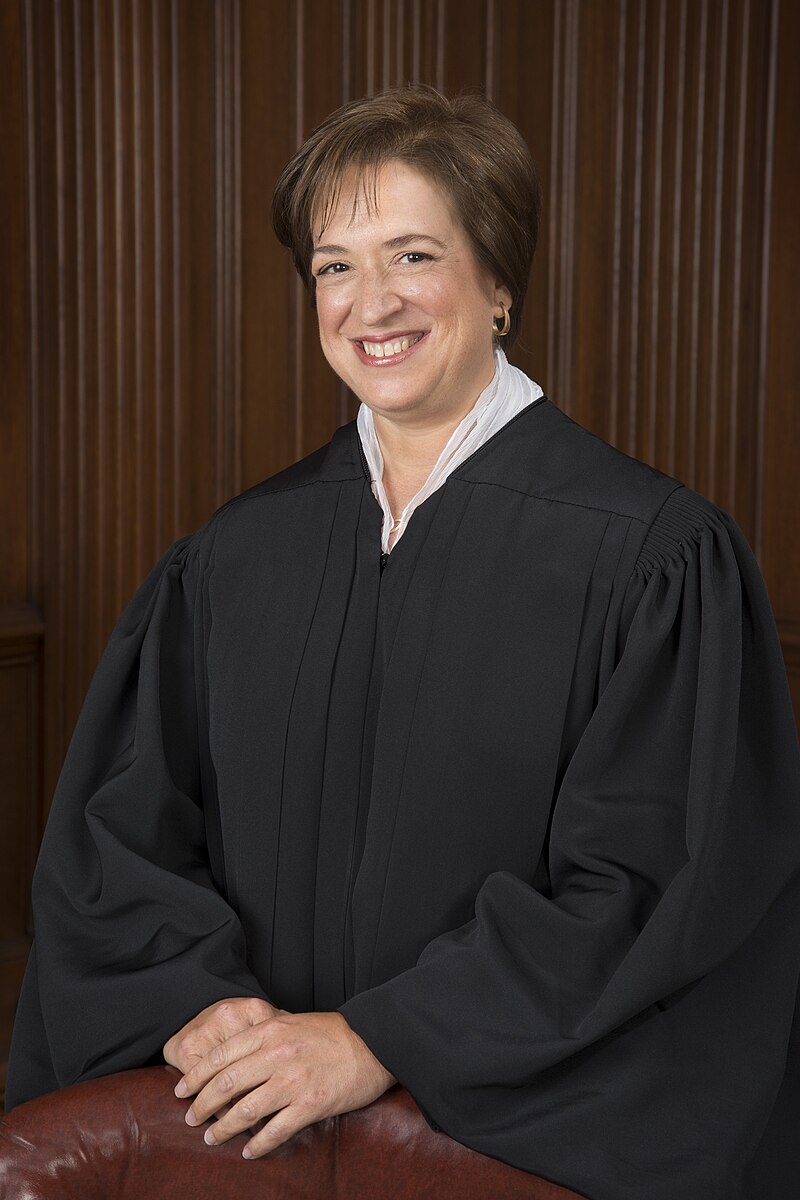
Justice Kagan
Majority
EK
Elena Kagan
Majority
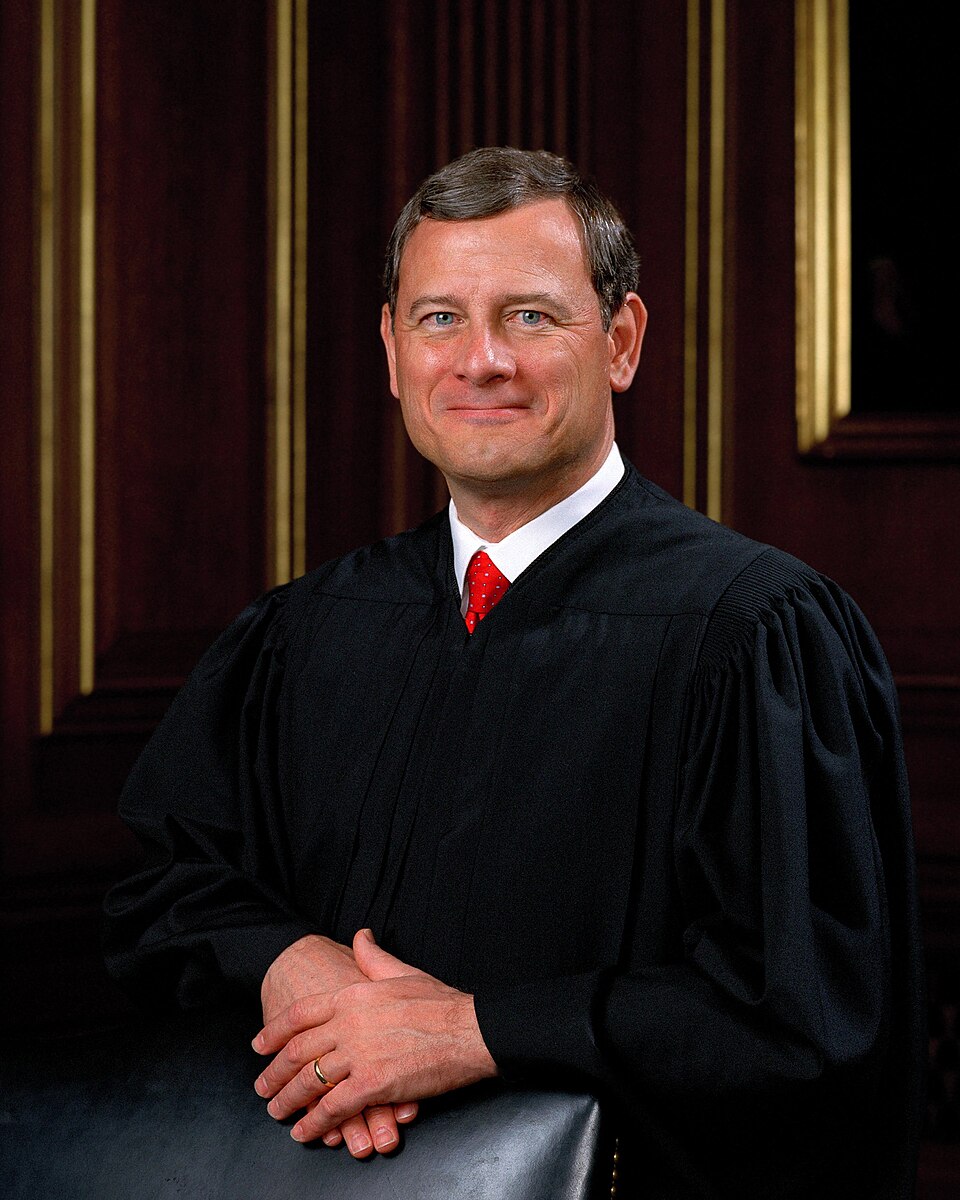
Chief Justice Roberts
Chief Justice
JG
John Jr.
Majority
NG
Neil Gorsuch
Majority
Justice Alito
Majority
SA
Samuel Jr.
Majority
SG
Stephen Breyer
Majority
Concurred
2 justices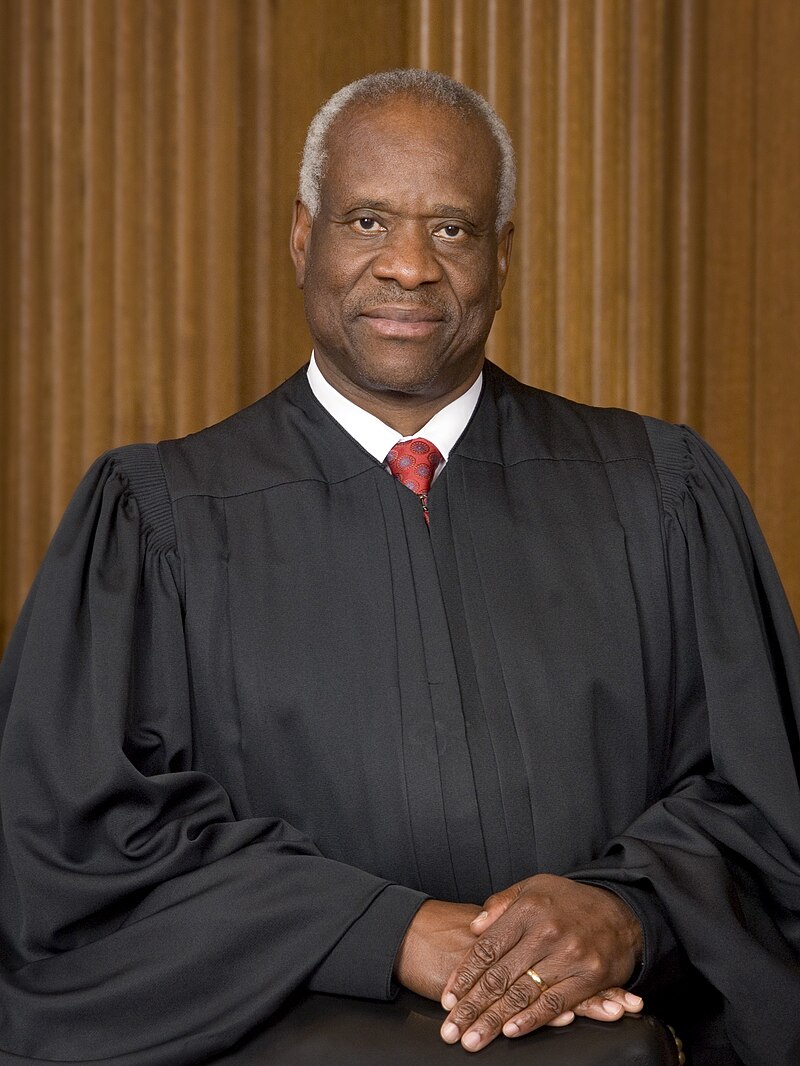
Justice Thomas
Concurred
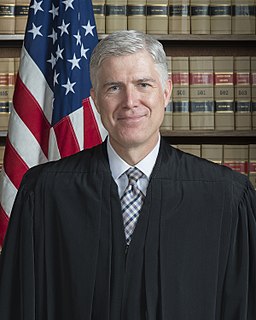
Justice Gorsuch
Concurred
Dissented
3 justicesRB
Ruth Ginsburg
Dissent
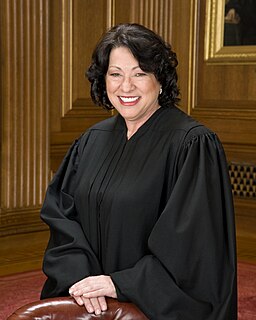
Justice Sotomayor
Dissent
SS
Sonia Sotomayor
Dissent
What this means for you
The decision protects religious claimants from government adjudication marked by hostility or unequal treatment. It did not create a broad exemption from public accommodations laws for businesses that object to serving same-sex couples. Civil rights agencies may still enforce anti-discrimination laws, but they must do so without disparaging religious beliefs or treating religious objections less favorably than comparable secular objections.
Key Takeaways
- The ruling turned on religious neutrality in Colorado's adjudication, not a general right to refuse service.
- The Court said public accommodations laws can protect gay people seeking goods and services on equal terms.
- Commission comments and unequal treatment of comparable bakery complaints showed impermissible hostility to religion.
- The Court did not decide the broader compelled-speech question about custom wedding services.
- Government agencies enforcing civil rights laws must treat religious claims neutrally and respectfully.
Decision
3-3 majority opinion
- Citation
- 584 U.S. 617 (2018)
- Vote
- 3-3
- Decision type
- Majority opinion
- Argued
- December 5, 2017
- Decided
- June 4, 2018
- Term
- 2017
- Opinion author
- Anthony M. Kennedy
7-2. Justice Anthony M. Kennedy wrote the opinion of the Court, joined by Chief Justice John G. Roberts, Jr. and Justices Stephen G. Breyer, Samuel A. Alito, Jr., Elena Kagan, and Neil Gorsuch. Justice Clarence Thomas concurred in part and in the judgment, joined by Justice Gorsuch. Justice Ruth Bader Ginsburg dissented, joined by Justice Sonia Sotomayor.