567 U.S. 519 (2012) · 2012
National Federation of Independent Business v. Sebelius
health careAffordable Care ActfederalismMedicaidCongressional powerLandmark
Summary
NFIB v. Sebelius upheld most of the Affordable Care Act. The Court sustained the individual mandate as a tax but held that Congress could not force states to expand Medicaid by threatening all existing Medicaid funds.
Background & Context
This case should be presented as both a health-care case and a federalism case. It preserved most of the ACA while making Medicaid expansion optional for states, which shaped access to care for low-income adults.
The Question Before the Court
Did Congress have constitutional authority to enact the Affordable Care Act’s individual mandate and Medicaid expansion conditions?
Petitioner
National Federation of Independent Business
Party asking the Court to review or reverse
Argued
- The mandate exceeded commerce power.
- Medicaid expansion was coercive.
Respondent
Sebelius
Party defending the judgment below
Argued
- The mandate was a valid regulation or tax.
- Medicaid conditions were valid spending conditions.
The Holding
The Affordable Care Act’s individual mandate was not valid under the Commerce Clause but could be sustained as a tax. The Medicaid expansion, as enacted, was unconstitutionally coercive because Congress could not threaten states with loss of existing Medicaid funding for refusing to expand Medicaid.
The Court
How the justices lined up in this decision.
5-4
Vote
Joined decision
8 justices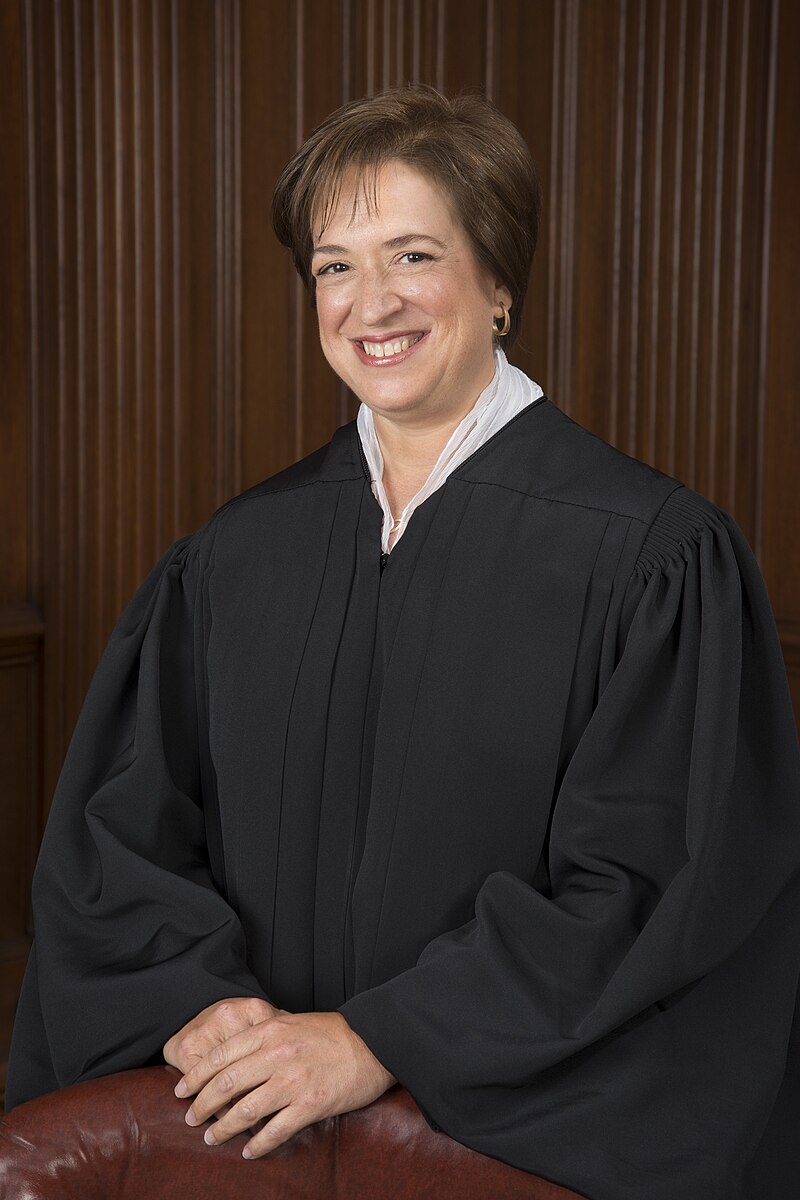
Justice Kagan
Majority
EK
Elena Kagan
Majority
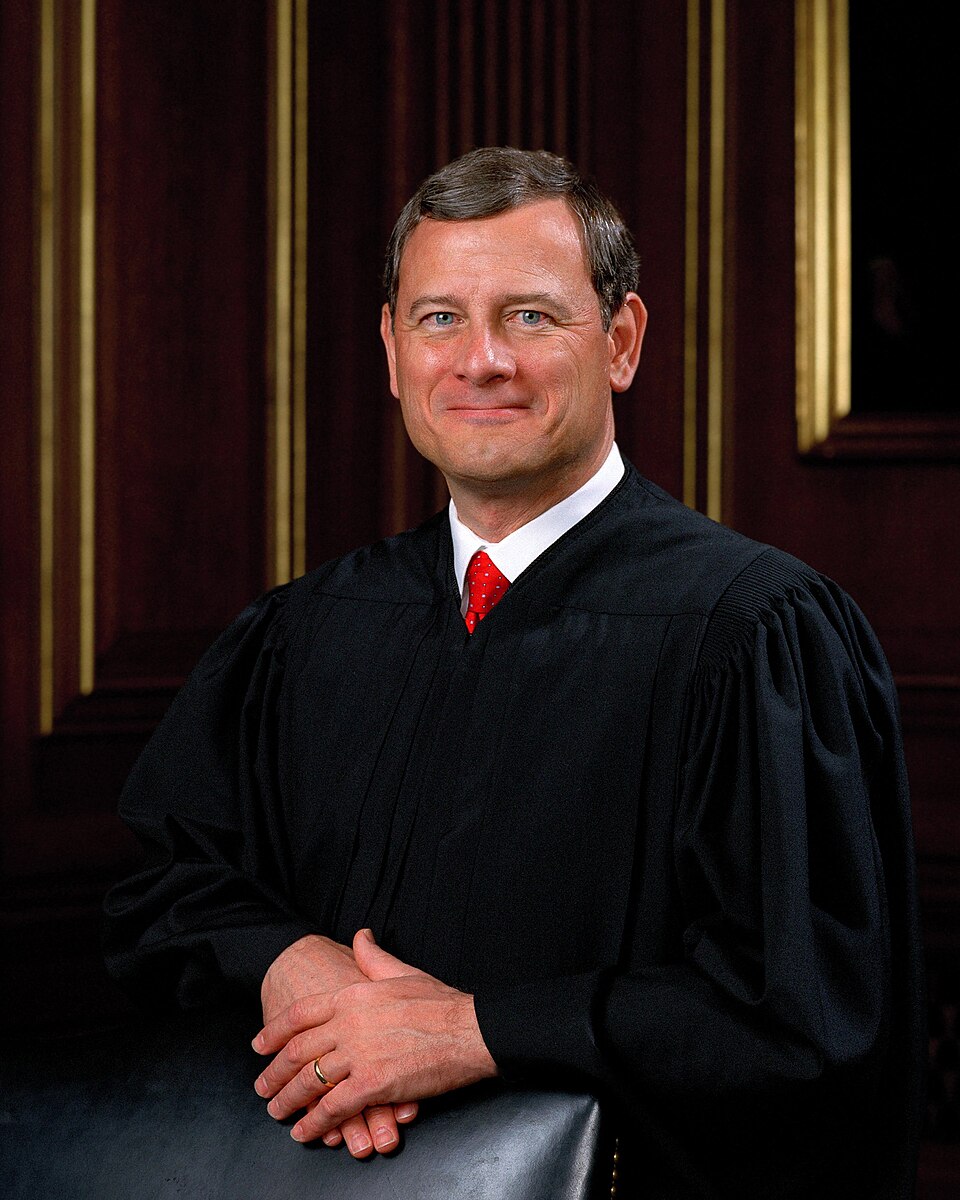
Chief Justice Roberts
Chief Justice
JR
John Roberts
Majority
RB
Ruth Ginsburg
Majority
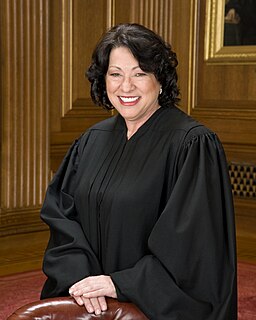
Justice Sotomayor
Majority
SS
Sonia Sotomayor
Majority
SB
Stephen Breyer
Majority
Dissented
6 justicesAK
Anthony Kennedy
Dissent
AS
Antonin Scalia
Dissent
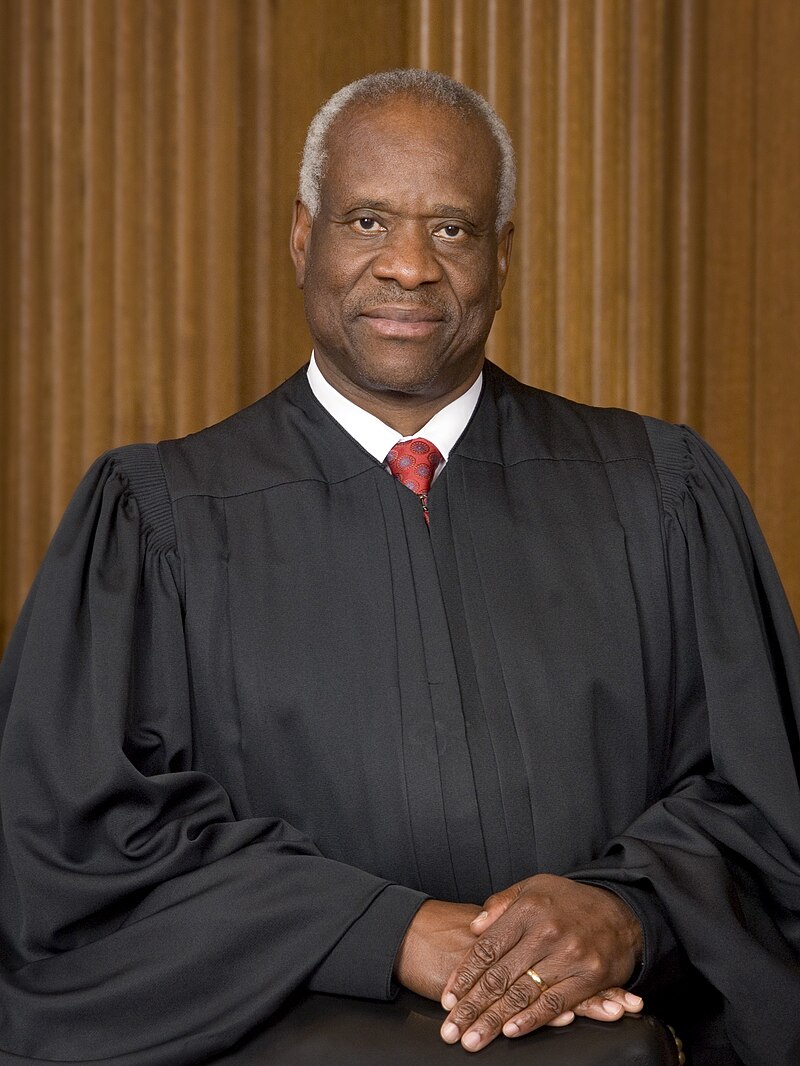
Justice Thomas
Dissent
CT
Clarence Thomas
Dissent
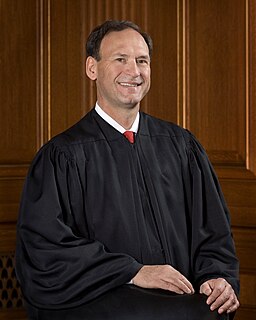
Justice Alito
Dissent
SA
Samuel Alito
Dissent
What this means for you
The decision preserved most of the Affordable Care Act, including insurance-market reforms and subsidies, but it also allowed states to refuse Medicaid expansion. That created a coverage gap in many states, especially affecting low-income adults in states that chose not to expand Medicaid. The case remains a major example of how the Court can uphold a federal program while changing who benefits from it on the ground.
Key Takeaways
- The individual mandate was upheld as a tax, not as a Commerce Clause regulation.
- The Court limited Congress’s power to pressure states through Medicaid funding conditions.
- Medicaid expansion became optional for states after the ruling.
- The decision preserved most of the Affordable Care Act.
- The practical result was uneven health coverage across states depending on whether each state expanded Medicaid.
Decision
5-4 majority opinion
- Citation
- 567 U.S. 519 (2012)
- Vote
- 5-4
- Decision type
- Majority opinion
- Argued
- March 26, 2012
- Decided
- June 28, 2012
- Term
- 2011
- Opinion author
- John Roberts
Chief Justice Roberts wrote the controlling opinion. Justices Ginsburg, Breyer, Sotomayor, and Kagan joined the judgment upholding the mandate as a tax. Seven Justices agreed that the Medicaid expansion enforcement mechanism was unconstitutional, though they differed on remedy and reasoning.