576 U.S. 644 (2015) · 2015
Obergefell v. Hodges
LGBTQ rightsmarriage equalitycivil rightssubstantive due processequal protectionLandmark
Summary
Obergefell v. Hodges held that same-sex couples have a constitutional right to marry under the Fourteenth Amendment. States must license same-sex marriages and recognize lawful same-sex marriages performed elsewhere.
Background & Context
This canonical row replaces a duplicate long-party active row. It should include both the original marriage-equality holding and current status context because later litigants have sought to revisit the precedent.
The Question Before the Court
Does the Fourteenth Amendment require states to license same-sex marriages and recognize same-sex marriages lawfully performed in other states?
Petitioner
Obergefell
Party asking the Court to review or reverse
Argued
- Marriage is a fundamental right for same-sex couples too.
- State borders should not erase family status.
Respondent
Hodges
Party defending the judgment below
Argued
- Marriage policy should be left to states and voters.
- Democratic debate should continue.
The Holding
The Fourteenth Amendment requires states to license marriages between two people of the same sex and to recognize lawful same-sex marriages performed in other states.
The Court
How the justices lined up in this decision.
2-3
Vote
Joined decision
7 justicesAK
Anthony Kennedy
Majority
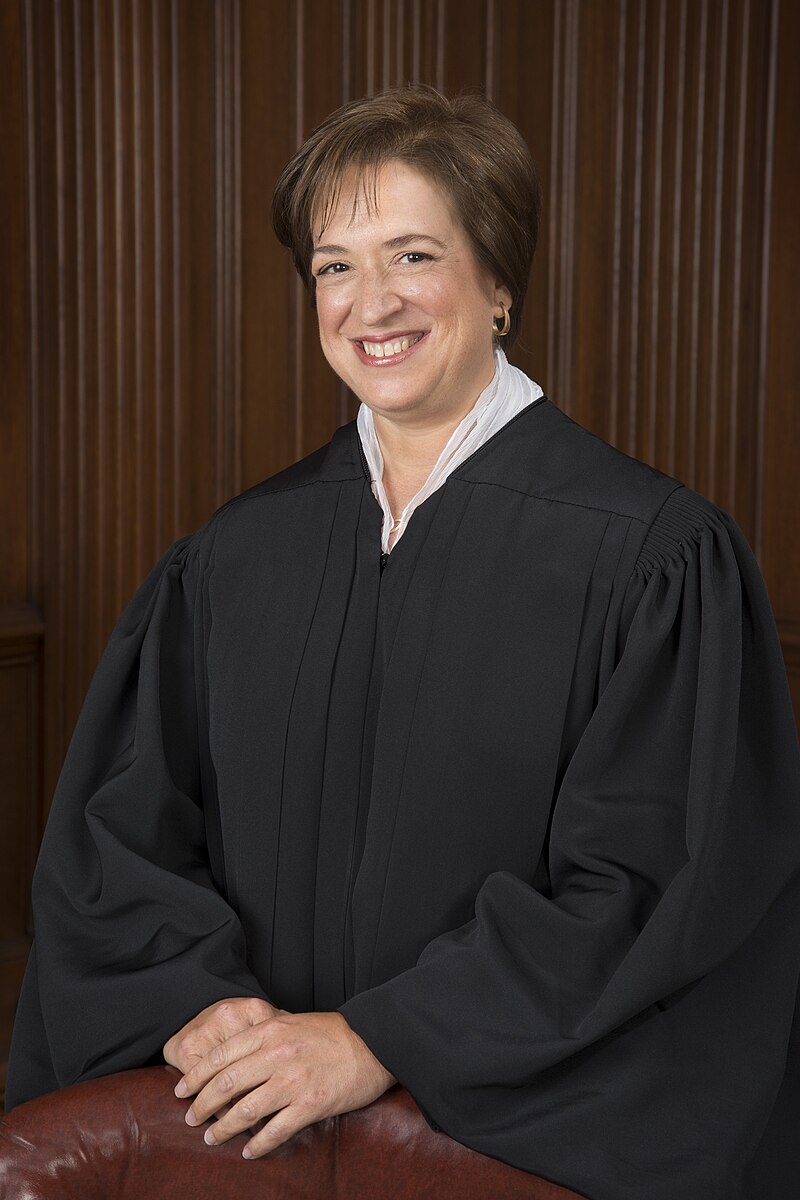
Justice Kagan
Majority
EK
Elena Kagan
Majority
RB
Ruth Ginsburg
Majority
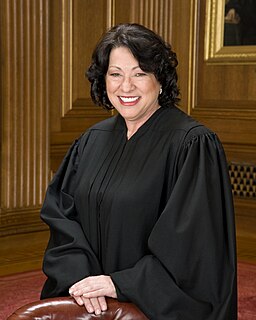
Justice Sotomayor
Majority
SS
Sonia Sotomayor
Majority
SB
Stephen Breyer
Majority
Dissented
7 justicesAS
Antonin Scalia
Dissent
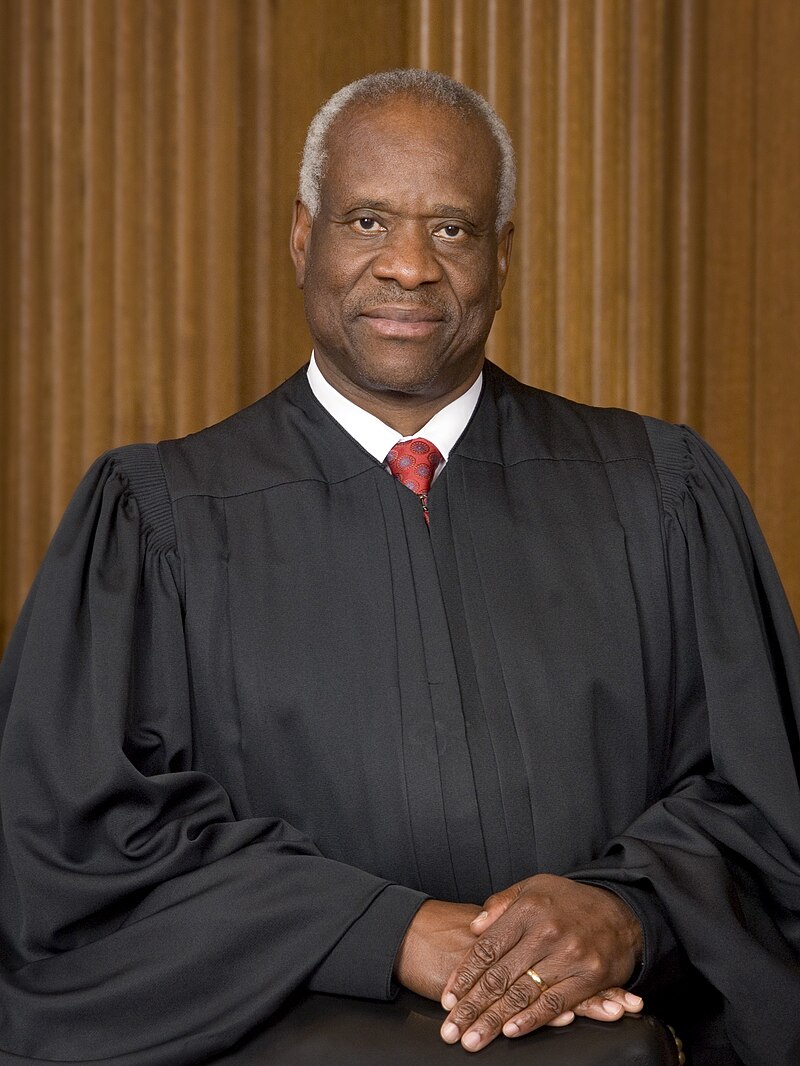
Justice Thomas
Dissent
CT
Clarence Thomas
Dissent
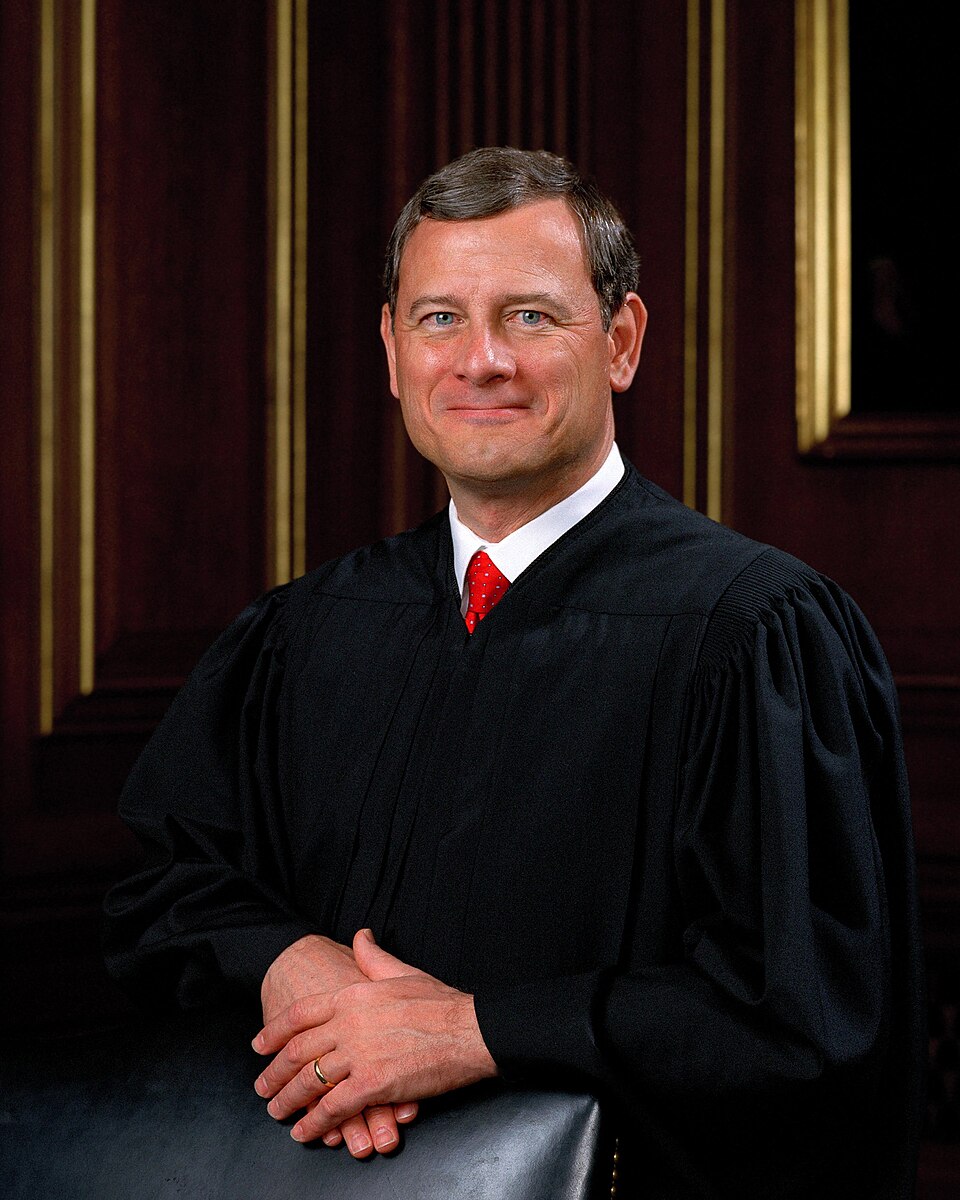
Chief Justice Roberts
Chief Justice
JR
John Roberts
Dissent
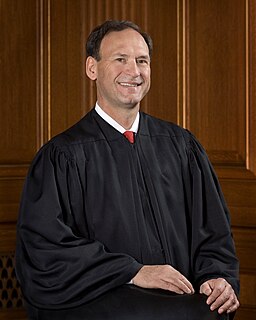
Justice Alito
Dissent
SA
Samuel Alito
Dissent
What this means for you
The ruling gave same-sex couples nationwide access to civil marriage, including legal protections tied to parenting, inheritance, taxes, health care, immigration, employment benefits, and end-of-life decisions. It also changed the legal status of families who had been treated as strangers by some states. Later challenges have not overturned the ruling; in 2025 the Court declined to revisit Obergefell in a case brought by former Kentucky clerk Kim Davis.
Key Takeaways
- The Fourteenth Amendment protects the right of same-sex couples to marry.
- States must license same-sex marriages on the same terms as opposite-sex marriages.
- States must recognize lawful same-sex marriages from other states.
- The ruling combined due process and equal protection reasoning.
- The decision remains controlling precedent and was left undisturbed when the Court declined a 2025 challenge.
Decision
2-3 majority opinion
- Citation
- 576 U.S. 644 (2015)
- Vote
- 2-3
- Decision type
- Majority opinion
- Argued
- April 28, 2015
- Decided
- June 26, 2015
- Term
- 2014
- Opinion author
- Anthony Kennedy
Justice Kennedy wrote the Court’s opinion, joined by Justices Ginsburg, Breyer, Sotomayor, and Kagan. Chief Justice Roberts and Justices Scalia, Thomas, and Alito each dissented in separate opinions.