570 U.S. 178 (2013) · 2013
Salinas v. Texas
Fifth AmendmentSelf-IncriminationCriminal ProcedurePolice QuestioningMiranda RightsLandmark
Summary
The Court affirmed Salinas's conviction after prosecutors used his silence during a voluntary pre-arrest interview. The controlling judgment was 5-4, but the reasoning was split between a three-justice plurality and a two-justice concurrence.
Background & Context
Police questioned Salinas voluntarily during a murder investigation. He answered many questions but stayed silent when asked about ballistic evidence. Years later, prosecutors used that silence as evidence of guilt.
The Question Before the Court
Does the Fifth Amendment protect a suspect's silence during a voluntary, noncustodial police interview when the suspect does not expressly invoke the privilege?
Petitioner
Genovevo Salinas
Party asking the Court to review or reverse
Argued
- Salinas argued that his refusal to answer an incriminating question was an invocation of the Fifth Amendment privilege.
- He argued that letting prosecutors use his silence as evidence punished him for relying on the privilege against self-incrimination.
Respondent
Texas
Party defending the judgment below
Argued
- Texas argued that Salinas never expressly claimed the Fifth Amendment and therefore did not trigger the privilege.
- The state argued that Salinas was free to leave and was not subject to the compulsion that underlies Miranda protections.
The Holding
The Fifth Amendment did not bar the prosecution from using Salinas's silence during a voluntary, noncustodial police interview because he did not expressly invoke the privilege against self-incrimination. A three-justice plurality required express invocation, while two concurring justices would have held the prosecutor's use of silence was not compelled testimony even if the privilege had been invoked.
The Court
How the justices lined up in this decision.
2-3
Vote
Joined decision
7 justicesAM
Anthony Kennedy
Majority
AS
Antonin Scalia
Majority
CT
Clarence Thomas
Majority
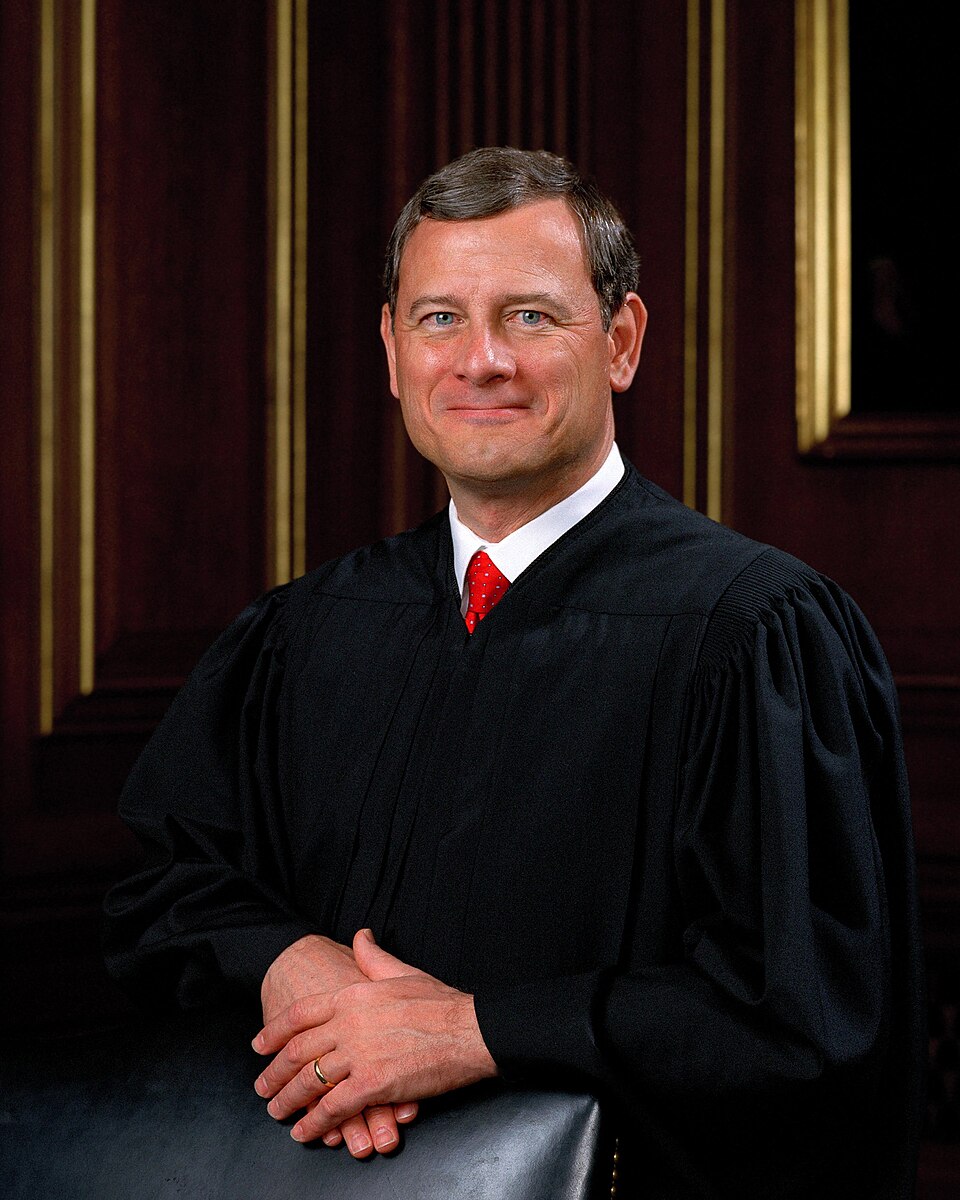
Chief Justice Roberts
Chief Justice
JG
John Jr.
Majority
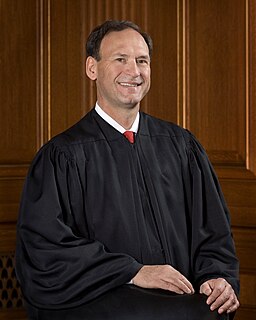
Justice Alito
Majority
SA
Samuel Jr.
Majority
Concurred
1 justice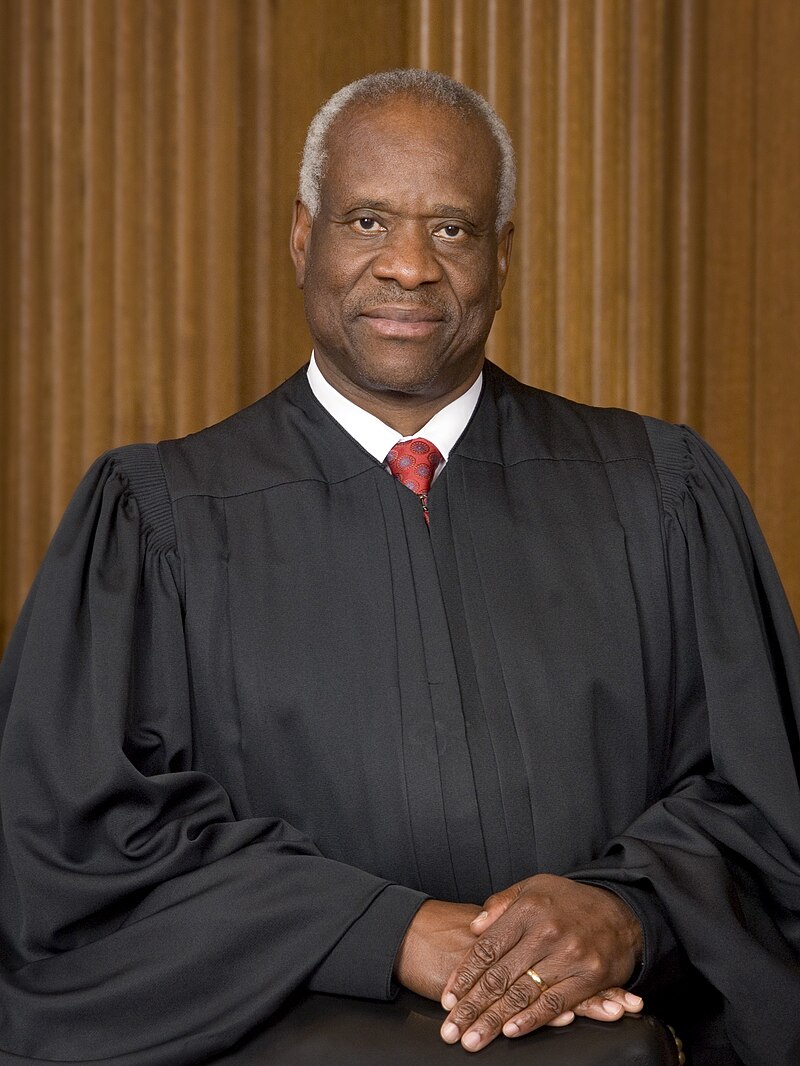
Justice Thomas
Concurred in judgment
Dissented
6 justices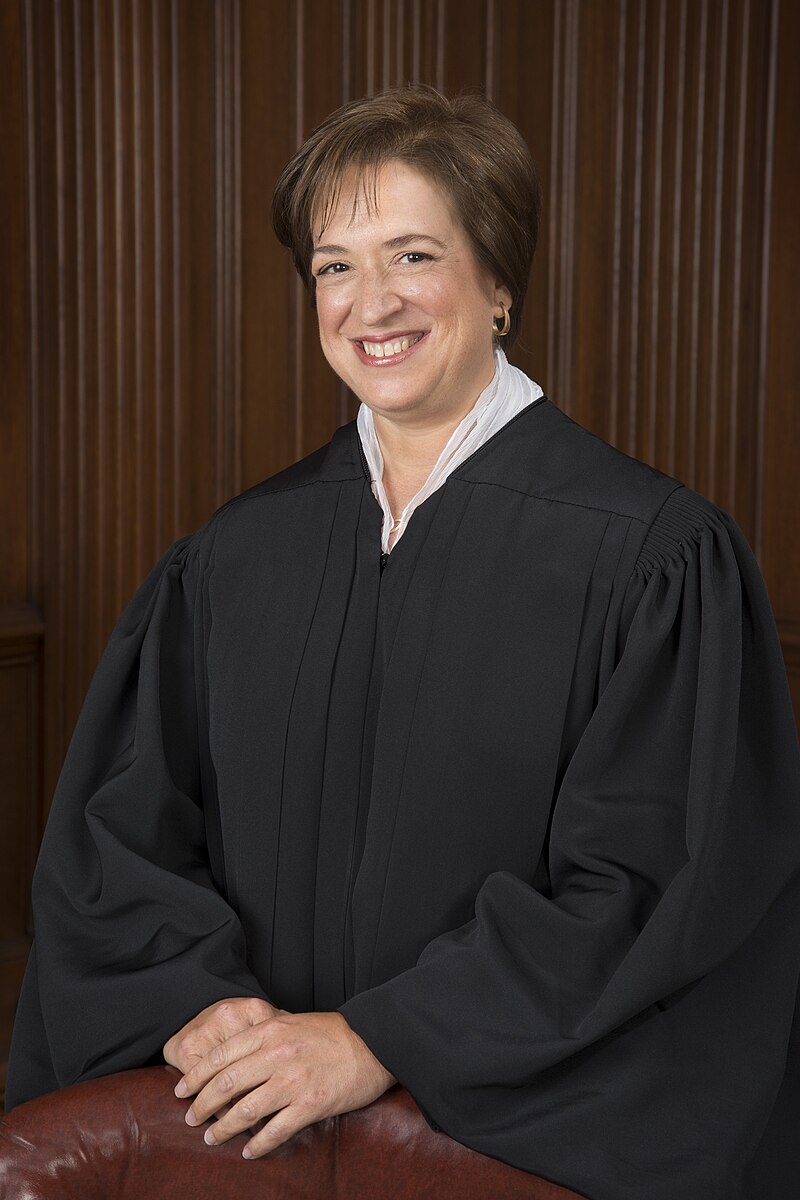
Justice Kagan
Dissent
EK
Elena Kagan
Dissent
RB
Ruth Ginsburg
Dissent
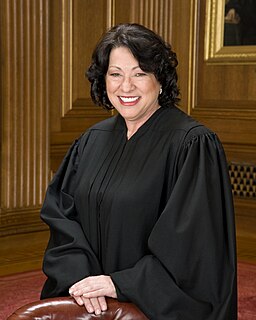
Justice Sotomayor
Dissent
SS
Sonia Sotomayor
Dissent
SG
Stephen Breyer
Dissent
What this means for you
Salinas narrowed protection for silence in voluntary, noncustodial questioning. People who are not in custody may need to expressly invoke the Fifth Amendment to keep silence from being used against them, unless another exception applies. The case did not change the rule that a criminal defendant need not testify at trial to invoke the privilege.
Key Takeaways
- Salinas was not under arrest and had not received Miranda warnings during the interview.
- The plurality said a witness generally must expressly invoke the Fifth Amendment privilege.
- Two concurring justices would have found no compulsion even if Salinas had invoked the privilege.
- The dissent argued that Salinas's silence in context was enough to claim the privilege.
- The decision does not apply the same way to a defendant's silence at trial or to custodial interrogation covered by Miranda.
Decision
2-3 plurality opinion
- Citation
- 570 U.S. 178 (2013)
- Vote
- 2-3
- Decision type
- Plurality opinion
- Argued
- April 17, 2013
- Decided
- June 17, 2013
- Term
- 2012
- Opinion author
- Samuel A. Alito, Jr.
Justice Alito announced a three-justice plurality joined by Chief Justice Roberts and Justice Kennedy. Justice Thomas concurred in the judgment, joined by Justice Scalia. Justice Breyer dissented, joined by Justices Ginsburg, Sotomayor, and Kagan.