572 U.S. 157 (2014) · 2014
United States v. Castleman
Domestic ViolenceGun PolicyCriminal LawStatutory InterpretationPublic Safety
Summary
United States v. Castleman held that a misdemeanor domestic-violence conviction can qualify as a misdemeanor crime of domestic violence for the federal firearm ban when it involves the degree of physical force required by common-law battery. The ruling strengthened enforcement of firearm restrictions tied to domestic-violence convictions.
Background & Context
James Castleman had pleaded guilty to misdemeanor domestic assault in Tennessee. Years later, federal prosecutors charged him under the firearms ban for people convicted of misdemeanor domestic violence. The Sixth Circuit held that the state conviction did not qualify; the Supreme Court reversed.
The Question Before the Court
Does a conviction for intentionally or knowingly causing bodily injury to an intimate partner qualify as a misdemeanor crime of domestic violence under the federal firearms statute?
Petitioner
United States
Party asking the Court to review or reverse
Argued
- The United States argued that physical force in this context includes common-law battery force, including offensive touching.
- The government argued that intentionally or knowingly causing bodily injury necessarily entails the use of physical force.
Respondent
James Alvin Castleman
Party defending the judgment below
Argued
- Castleman argued that Johnson's reading of physical force required violent force, not mere offensive touching.
- He argued that the Tennessee offense could be committed without the kind of force needed to trigger the federal firearms ban.
The Holding
Castleman's Tennessee conviction for intentionally or knowingly causing bodily injury to the mother of his child qualified as a misdemeanor crime of domestic violence under 18 U.S.C. 922(g)(9). In this domestic-violence statute, physical force includes common-law force, including offensive touching, and knowingly or intentionally causing bodily injury necessarily involves the use of physical force.
The Court
How the justices lined up in this decision.
5-0
Vote
Joined decision
11 justicesAM
Anthony Kennedy
Majority
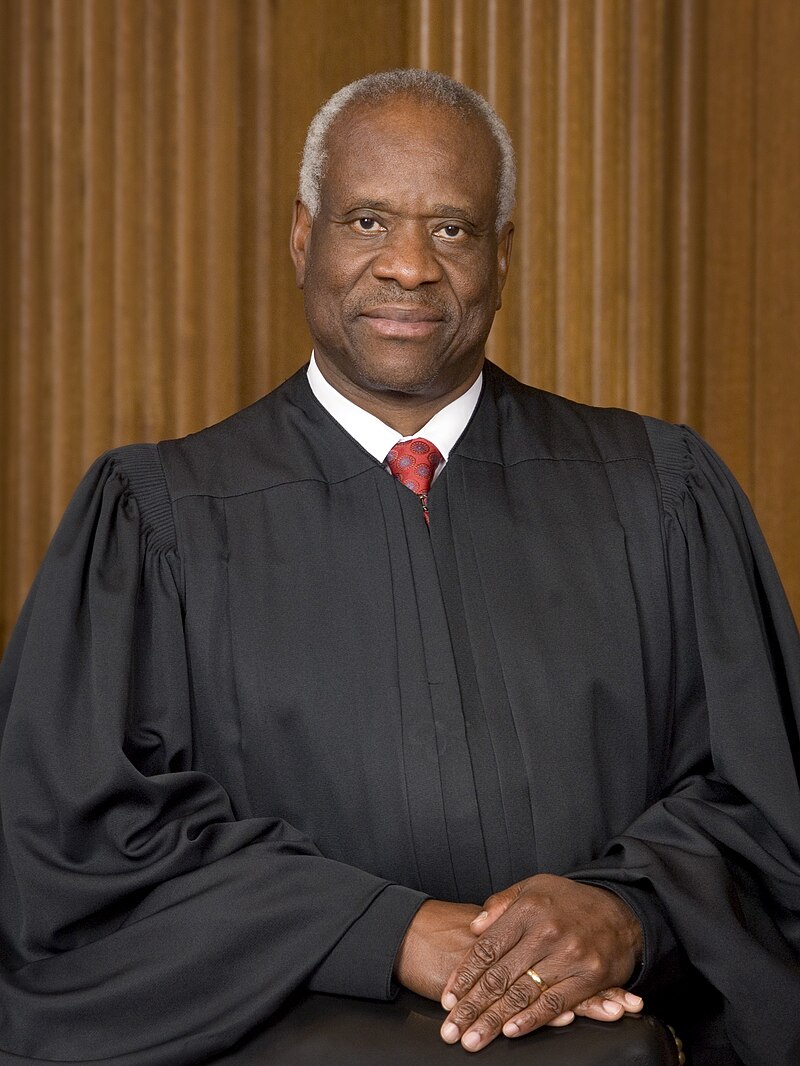
Justice Thomas
Majority
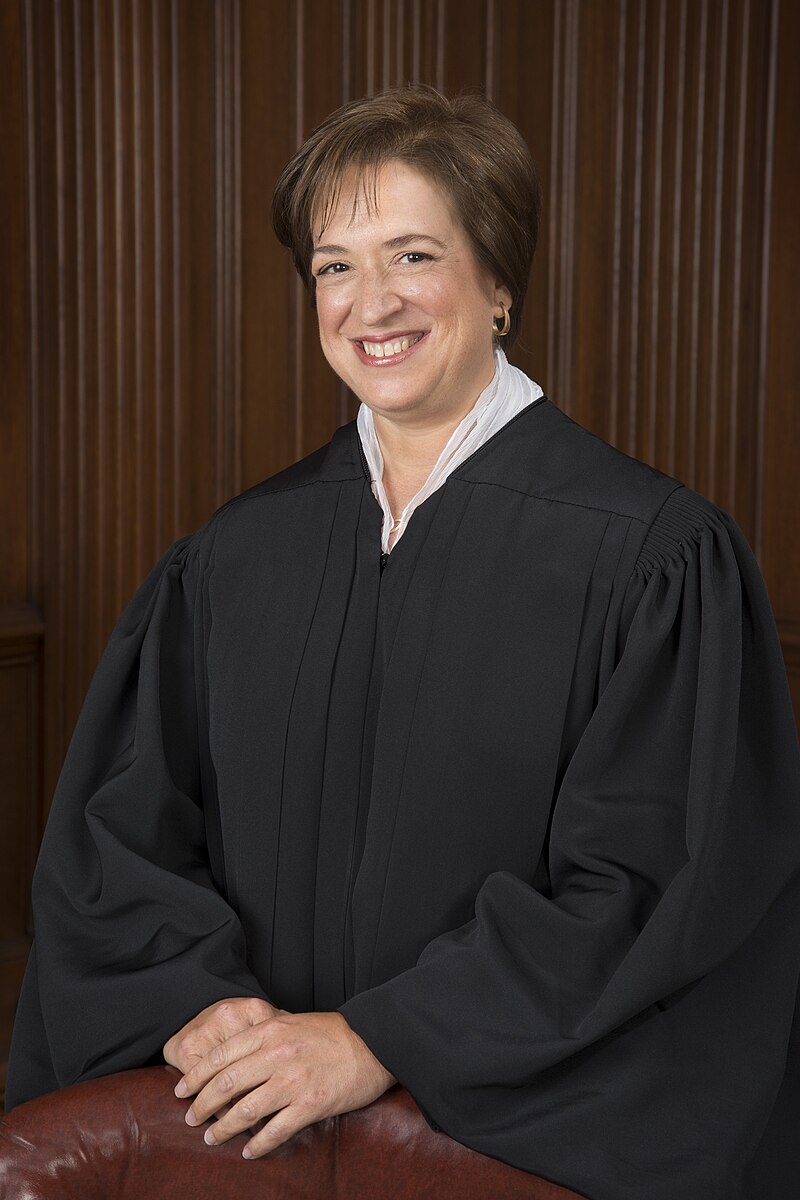
Justice Kagan
Majority
EK
Elena Kagan
Majority
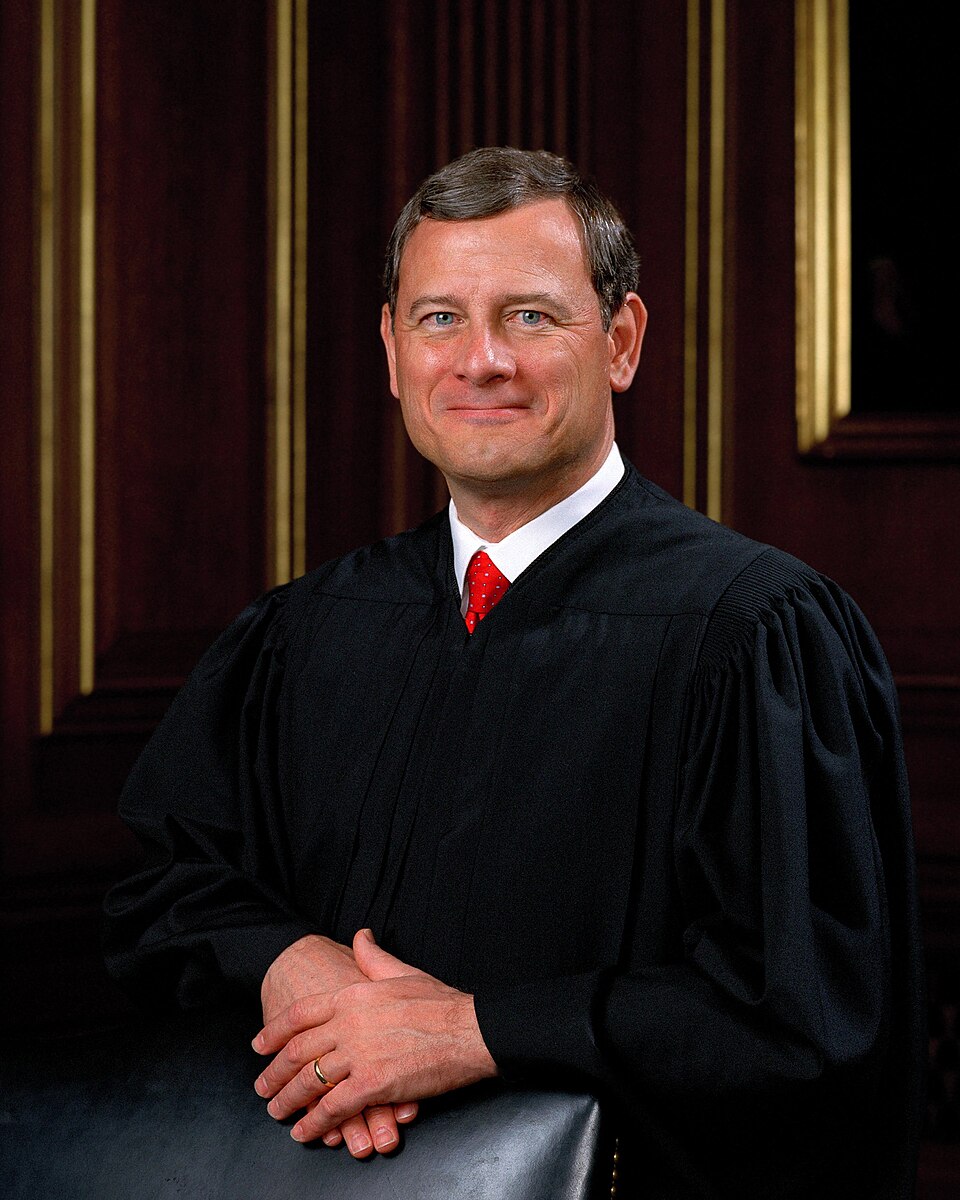
Chief Justice Roberts
Chief Justice
JG
John Jr.
Majority
RB
Ruth Ginsburg
Majority
Justice Alito
Majority
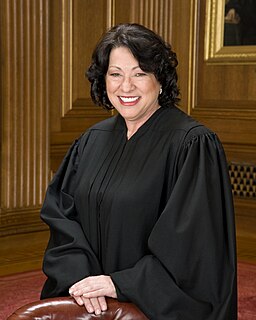
Justice Sotomayor
Majority
SS
Sonia Sotomayor
Majority
SG
Stephen Breyer
Majority
Concurred
3 justicesAS
Antonin Scalia
Concurred
CT
Clarence Thomas
Concurred
SA
Samuel Jr.
Concurred
What this means for you
Castleman made the federal domestic-violence firearms prohibition easier to apply to misdemeanor assault and battery convictions. The Court decided the statutory meaning of physical force; it did not decide a Second Amendment challenge to the firearms ban.
Key Takeaways
- The case interpreted a federal firearms statute, not the constitutionality of the firearms ban.
- Physical force in the misdemeanor domestic-violence statute includes common-law force, including offensive touching.
- Knowingly or intentionally causing bodily injury necessarily involves physical force under that standard.
- The Court distinguished Johnson's narrower definition of violent force in the Armed Career Criminal Act context.
- The decision made the federal firearms disqualification usable for many misdemeanor domestic-violence convictions.
Decision
5-0 majority opinion
- Citation
- 572 U.S. 157 (2014)
- Vote
- 5-0
- Decision type
- Majority opinion
- Argued
- January 15, 2014
- Decided
- March 26, 2014
- Term
- 2013
- Opinion author
- Sonia Sotomayor
Justice Sotomayor wrote the opinion of the Court, joined by Chief Justice Roberts and Justices Kennedy, Ginsburg, Breyer, and Kagan. Justice Scalia concurred in part and in the judgment. Justice Alito concurred in the judgment, joined by Justice Thomas.