October 5, 2025

Judges block Guard quartering in Portland and Chicago

Federal judges block National Guard deployment to Portland and Chicago

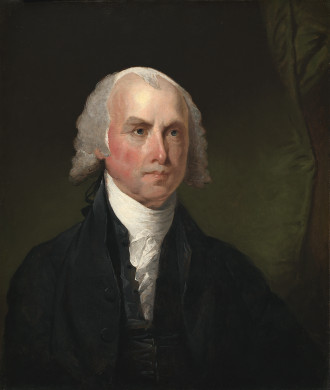
James MadisonJames Madison pushed an explicit ban on quartering after Anti-Federalists warned a standing army could be billeted in private homes.

The first major modern clash occurred when Governor Hugh Carey activated the Guard during a 1979 prison strike and tenant guards were evicted.

Engblom v. Carey, decided May 3, 1982, held that National Guardsmen are "soldiers" and that tenants can claim Third Amendment protection.

Courts then narrowed remedies: officials escaped damages through qualified immunity and Mitchell v. City of Henderson, Feb. 2, 2015, limited the scope by ruling municipal police are not "soldiers."

The same conflict appears across eras: colonial quartering fears, mid-20th century labor disputes, and today's militarized policing all ask who controls civilian space.

In 2025 the federal government moved to federalize Guard units for deployments to Portland and Chicago, prompting federal judges to issue temporary blocks.

The practical winners are federal officials and agencies that can shift troops and avoid damages; the losers are renters, protesters and disaster survivors whose homes can be commandeered.

The next legal battleground will test Title 10 federalization, state sovereignty and whether courts will treat hyper-militarized police as "soldiers."
📜Constitutional Law🎓Education

People, bills, and sources

James Madison

James Madison

Framer and member of the First Congress
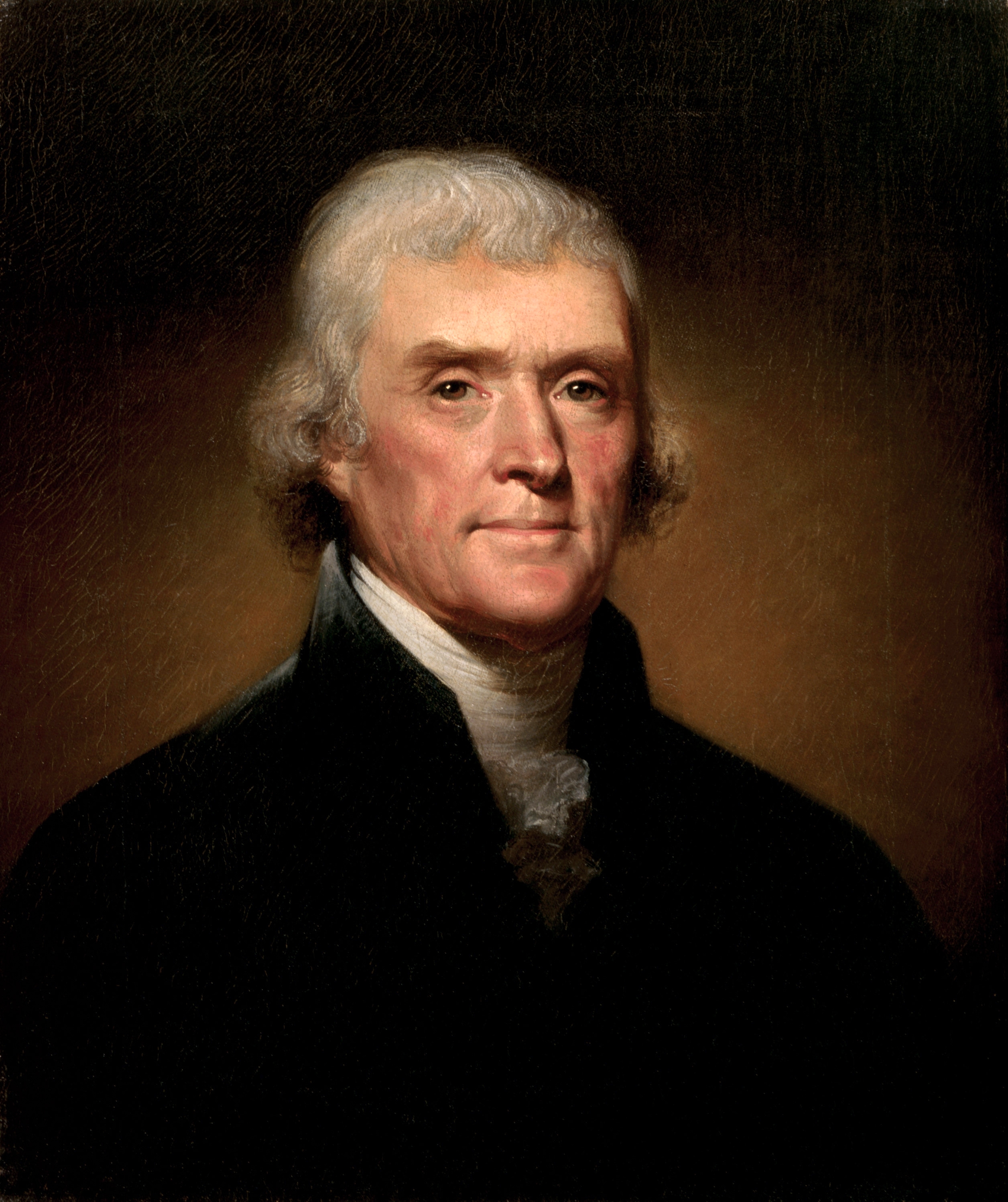
Thomas Jefferson

Secretary of State in 1792

Marianne Engblom

Plaintiff

Charles Palmer

Plaintiff

Hugh Carey

Governor of New York (1975–1982)

Walter R. Mansfield

Judge, U.S. Court of Appeals for the Second Circuit

Irving Kaufman

Judge, U.S. Court of Appeals for the Second Circuit

Andrew P. Gordon

U.S. District Judge, District of Nevada

Karin J. Immergut

U.S. District Judge (D. Or.)

Donald J. Trump

Donald J. Trump

President of the United States (2021– )

Tina Kotek

Tina Kotek

Governor of Oregon

American Civil Liberties Union (ACLU)

Civil rights organization

What you can do

1

understanding

Study Supreme Court tests and doctrines that limit this right

Learn the specific legal tests courts apply and how they evolved over time

2

learning more

Follow constitutional law experts and litigation centers

Track current cases and scholarly analysis of how this right is being reshaped

3

practicing

Practice know-your-rights scenarios before protests or interactions with officials

Memorize key phrases, document officers' names and record procedures to protect yourself during confrontations

4

civic action

File official civil rights complaints when this right is violated

Use the right government forms and deadlines to document quartering or unlawful billeting and preserve evidence for litigation

Key information to include in your OCR complaint form:

Complaint details:

  • Describe the quartering or unlawful billeting incident with specific dates, times, and locations
  • Include names of officials involved, if known
  • Explain how your Third Amendment rights were violated
  • Reference relevant cases: Engblom v. Carey (1982) established National Guardsmen are "soldiers" and tenants have enforceable Third Amendment rights

Key facts to mention:

  • On Oct. 5, 2025, U.S. District Judge Karin J. Immergut barred deployment of 200 National Guard soldiers to Portland, Oregon
  • On Oct. 9, 2025, U.S. District Judge Apr. Perry halted deployment of hundreds of Guard troops to Chicago
  • These cases reflect unprecedented use of Title 10 to federalize state militias for domestic policing
  • Federal and state forces are blurring, leaving renters and protesters with little recourse

Impact explanation: When officials violate the Third Amendment by quartering soldiers in private homes or restricting access to housing, it undermines fundamental property rights. Documenting these violations preserves evidence for litigation and helps establish patterns of abuse.

Questions to ask:

  • What is the deadline for filing this complaint?
  • What documentation do I need to include?
  • How will OCR investigate this complaint?

Specific request: I want to file an official civil rights complaint to document this Third Amendment violation and preserve evidence for potential litigation.

You can file online at ocrcas.ed.gov or call 800-421-3481. Include all relevant dates, locations, and officials involved.

Thank you for your assistance.

5

civic action

Bring or support civil suits using Section 1983 and related claims

Work with civil rights lawyers to pursue damages and injunctive relief when officials violate the Third Amendment or related property rights

6

civic action

Join or pressure local elected officials to protect housing and property rights during emergencies

Mobilize tenant unions and city councils to adopt ordinances that prevent commandeering of private housing without due process