CBO examines federal rural housing credit programs
USDA loan programs reach households that private markets can't serve
USDA loan programs reach households that private markets can't serve
The Congressional Budget Office released a report on April 29, 2026, examining federal rural housing credit programs. The report examined the budgetary effects of USDA rural housing credit programs using federal credit reform accounting, which measures the lifetime expected cost of loans and guarantees at the time they are made. This methodology captures the subsidy embedded in below-market lending — which is substantial for direct loans to very-low-income households but relatively modest for guaranteed loans that serve moderate-income borrowers with historically low default rates. Federal credit programs function through financial guarantees and below-market interest rates, creating significant fiscal exposure even when not appearing as direct annual budget outlays.

Director, Congressional Budget Office
As CBO Director, Swagel oversees the release of all CBO reports including the April 29 rural housing financing report. CBO's role as the nonpartisan fiscal scorekeeping agency of Congress gives its reports particular weight in budget debates. The rural housing report provides the official estimate of $293 billion in federal credit assistance to rural households in 2026.
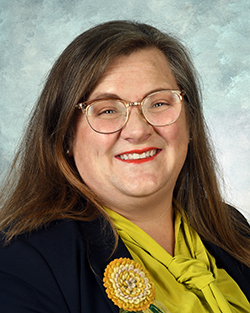
Acting Under Secretary for Natural Resources and Environment, USDA Rural Development
Led the announcement of the USDA Rural Housing Modernization Initiative in March 2026, which delegated underwriting authority to qualified lenders in the Section 502 guaranteed loan program. Stated that the changes were designed to lower burdens on borrowers and lenders, improve service, and align USDA processes with FHA and VA programs.

President and CEO, Housing Assistance Council
Expressed grave concern about FY2027 proposed cuts and eliminations in rural housing programs. Called on Congress to include appropriations bill language requiring the administration to actually spend appropriated rural housing funds — a direct response to documented instances of funding impoundment. HAC is the primary national advocacy organization specifically focused on rural housing access.
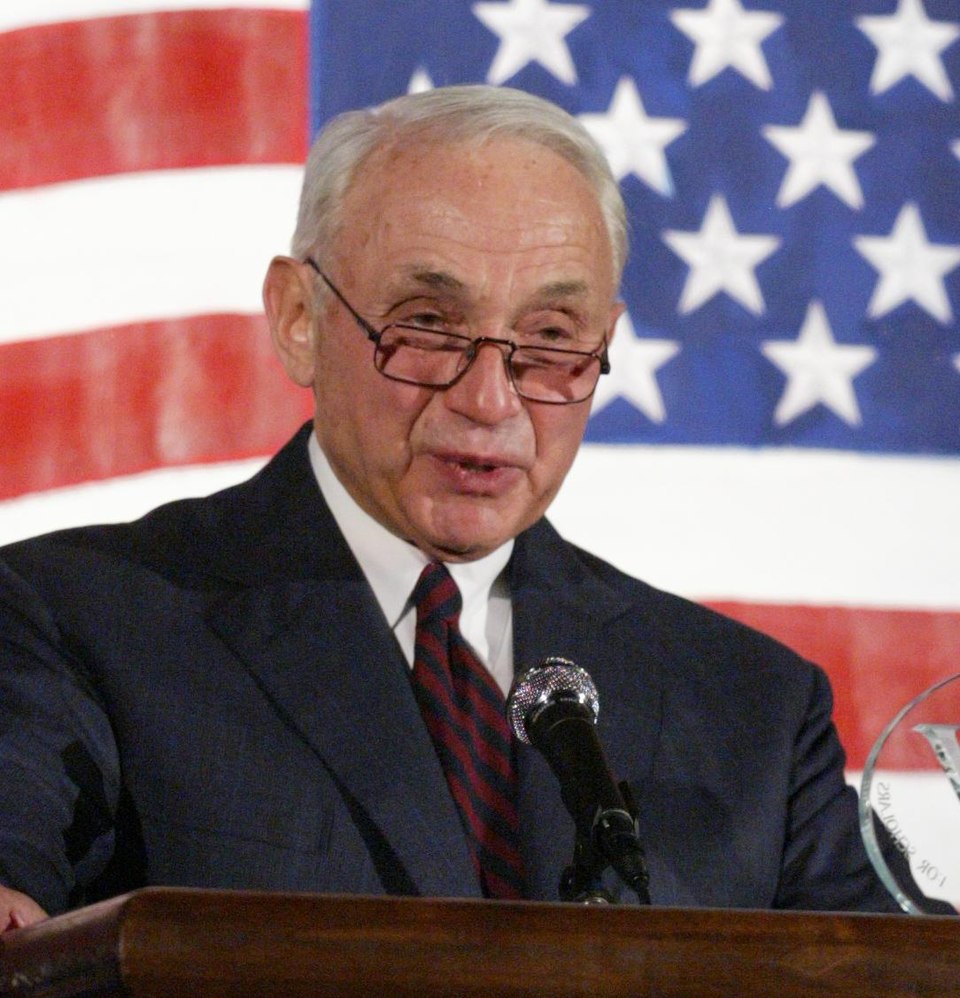
Policy Director, Housing Assistance Council
Authored HAC's detailed tracking of rural housing appropriations levels from FY2023 through FY2027, providing the granular program-by-program data that contextualizes the CBO report. Her work documented which programs the FY2027 budget would reduce, maintain, or eliminate, including the proposed elimination of the Section 542 rural housing voucher program.
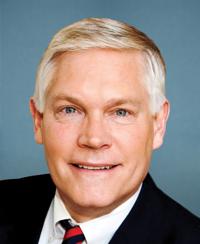
U.S. Representative (R-TX-25)
Sponsored H.R. 8290, the China Exchange Rate Accountability Act of 2026 (the topic of the companion CBO cost estimate also released April 29). Referenced here for context on the range of CBO scoring activity on the same date as the rural housing report.
CBO Staff Contact, Budget Analysis Division
Named as the primary CBO staff contact for the China Exchange Rate Accountability Act cost estimate released the same day as the rural housing report. Represents the CBO analysts who produce the detailed budget scorekeeping that informs both reports.

Deputy Director of Budget Analysis, Congressional Budget Office
Listed as the reviewer for the CBO cost estimate of the China Exchange Rate Accountability Act, reflecting senior CBO oversight of all cost estimates and reports issued by the agency. Her review role applies to the rural housing report as well, as all CBO reports go through internal peer review before release.
True
The federal government will provide $293 billion in credit assistance to rural households in 2026
The CBO's official publication page and homepage summary confirm the $293 billion credit assistance figure for 2026. CBO is the nonpartisan fiscal scorekeeping agency of Congress, and this figure is the central quantitative finding of the April 29 report. [1][2]
True
Section 502 direct loans provide 100 percent financing with no down payment
USDA Rural Development's official program page confirms that eligible applicants may purchase, build, rehabilitate, or relocate a dwelling in an eligible rural area with 100 percent financing. The Housing Assistance Council's 502 Direct Loan fact sheet confirms this feature. [1][2]
True
The Section 502 guaranteed loan program provides a 90 percent loan guarantee
USDA Rural Development's program page explicitly states the program provides a 90 percent loan note guarantee to approved lenders in order to reduce the risk of extending 100 percent loans to eligible rural homebuyers. [1]
True
Average income for Section 502 direct borrowers was $28,600 compared to $54,200 for guaranteed loan recipients
The Housing Assistance Council's Section 502 fact sheet states that in FY2013, the average household income for direct borrowers was $28,600 while guaranteed loan recipients earned an average of $54,200. Note that these figures are from 2013 and may not reflect current income levels, though the income targeting difference between the two programs remains consistent with program design. [1]
True
USDA froze Section 502 direct loan funding in early 2025
RUPCO, an approved USDA 502 direct loan packager, posted a notice on its website stating that as of February 24, 2025, funding from USDA is on hold until new budget allocation and the program was not accepting new applications. The freeze was later lifted, but the episode documented the operational vulnerability of the program to executive funding decisions. [1]
True
The FY2027 budget proposed reducing the Section 502 guaranteed loan program from $25 billion to $20 billion
HAC's detailed FY27 funding table indicates the FY26 Final level for Section 502 guaranteed loans at $25 billion and the FY27 Budget request at $20 billion, a $5 billion reduction. The House FY27 proposal would maintain the $25 billion level. [1]
Check your eligibility for USDA Section 502 direct or guaranteed rural housing loans
civic monitoring
If you live in or are considering moving to a rural area, USDA Section 502 programs may offer homeownership opportunities that conventional mortgages don't. The direct loan program requires no down payment and can offer interest rates as low as 1 percent for very-low-income borrowers.
Contact your members of Congress to support maintaining rural housing program funding in the FY2027 appropriations process
civic action
The FY2027 appropriations process is still early. The House Appropriations Committee proposed maintaining most USDA rural housing programs, but the Senate still needs to act. Constituents in rural areas can urge their senators and representatives to hold or increase funding for programs that serve communities private markets don't reach.
Learn about rural rental housing preservation and Section 521 Rental Assistance programs
civic monitoring
Hundreds of thousands of rural low-income renters depend on USDA's Section 521 Rental Assistance program. As Section 515 mortgages expire, tenants face potential displacement unless rental assistance is preserved. Housing Assistance Council tracks these preservation needs and advocates for policy responses.
Read the full CBO rural housing report to understand how federal credit programs affect your community
civic monitoring
The CBO's April 29 report is freely available and provides the most comprehensive nonpartisan analysis of federal rural housing credit programs. Civic-minded citizens, local elected officials, housing advocates, and journalists can use it as a foundation for community conversations about rural housing needs.