Ethics · Government · Justice · Legislative Process·April 21, 2026
House to vote on expelling Cherfilus-McCormick over FEMA fraud
Only five House members have ever been expelled and she could be the sixth

Photo: Andrew Harnik/Getty Imagessource ↗
The 📖House Ethics Committee held a public hearing on April 21, 2026, to determine what sanctions to recommend against Rep. Sheila Cherfilus-McCormick (D-FL), after a bipartisan subcommittee found 25 of 27 ethics charges proven against her at a March 26 hearing. Prosecutors allege she stole $5 million in federal pandemic disaster funds, funneled money through friends and relatives who donated it back to her congressional campaign disguised as personal contributions, and spent some of the money on a $250,000 diamond ring. Speaker  Mike Johnson (R-LA) said she "should be expelled," and Rep. Anna Paulina Luna (R-FL) issued a public ultimatum: "Either resign or be expelled." Expelling a House member requires a two-thirds vote of the full chamber — roughly 290 members — meaning a significant number of Democrats would have to join Republicans. Only five House members have ever been expelled, most recently James Traficant in 2002. Cherfilus-McCormick has denied wrongdoing and declined to resign, forcing the Ethics Committee to proceed to a public sanction hearing. The committee can recommend punishments ranging from a letter of reproval to a fine, censure, or expulsion.
Key facts
Rep. Sheila Cherfilus-McCormick (D-FL-20) faces potential expulsion from Congress after a bipartisan Ethics subcommittee found 25 of 27 ethics charges proven against her at a March 26, 2026 hearing. Prosecutors allege she stole approximately $5 million in federal pandemic disaster relief funds while serving as CEO of Trinity Health Care Services, a home health company, before her 2022 special election to Congress.
Investigators presented evidence showing Cherfilus-McCormick funneled the stolen FEMA money to family members and associates, who then donated it back to her campaign disguised as personal contributions — a straw donor scheme that breaks federal campaign finance law. She also allegedly spent some of the stolen funds on personal purchases, including a 3.14-carat yellow diamond ring valued at approximately $250,000. Cherfilus-McCormick has not been convicted in criminal court; she denies the charges and her criminal trial remains pending. The Ethics Committee's findings are independent of the criminal case.
On the morning of April 21, 2026, Rep. Cherfilus-McCormick submitted her resignation from Congress minutes before the 📖House Ethics Committee's scheduled sanctions hearing was set to begin. Ethics Committee Chair  Michael Guest (R-MS-3) immediately announced the panel had lost jurisdiction and canceled the hearing without taking a vote. Her resignation came after Speaker Mike Johnson publicly called for her expulsion and Rep. Anna Paulina Luna (R-FL-13) issued a direct ultimatum: "Either resign or be expelled. Those are your two options."
The committee had already found 25 of 27 ethics charges proven on March 26, 2026, and was widely expected to recommend expulsion at the April 21 sanctions hearing. With her resignation, no floor vote on expulsion occurred. However, Cherfilus-McCormick's federal criminal indictment — for the same underlying FEMA fraud and straw donor scheme — remains active. Her criminal trial proceeds independently of the now-concluded congressional process.
The House has expelled only five members in its 237-year history, making expulsion extraordinarily rare. Three representatives were expelled in 1861 for supporting the Confederacy during the Civil War. In the modern era, Rep. Michael Myers (D-PA-1) became the first House member ever expelled for corruption when he accepted a $50,000 bribe from FBI undercover agents in the 1980 Abscam sting operation; the House voted 376-30 to expel him, with 346 Democrats voting for expulsion. Rep. James Traficant (D-OH-17) was expelled in 2002 after his conviction on racketeering and 📖bribery charges; the House voted 420-1, with 207 Democrats supporting expulsion and only Rep. Gary Condit (D-CA) voting no.
For Cherfilus-McCormick's expulsion to succeed, roughly 70 Democrats would have to vote with Republicans given the current House composition of 217 Republicans and 214 Democrats plus 4 vacancies. Democratic leadership has not called publicly for her expulsion; some Democratic members have expressed concern about voting before her criminal trial concludes.
The Ethics Committee uses a formal adjudicatory process that mirrors a courthouse trial more than ordinary congressional business. An Investigative Subcommittee files charges in a Statement of Alleged Violations (SAV), then an Adjudicatory Subcommittee holds a public evidentiary hearing where prosecutors present evidence and the member can respond. The subcommittee votes on whether each count was proven by 'clear and convincing evidence.' After the adjudicatory hearing, the full 10-member committee votes on what sanction to recommend and whether to forward the recommendation to the House floor.
The committee's structure is unique in Congress: it has five Republicans and five Democrats at all times, regardless of which party controls the House. This bipartisan structure is by design to prevent weaponization. In Cherfilus-McCormick's case, Chair Michael Guest (R-MS-3) and Ranking Member Mark DeSaulnier (D-CA-10) jointly presided and issued joint statements throughout the process, signaling Democratic participation in the proceedings.
Cherfilus-McCormick's alleged misconduct stems from her time as CEO of Trinity Health Care Services, her family's home health care business. Investigators found she directed FEMA pandemic relief funds meant for the company's payroll and operations into personal accounts. She then instructed family members and associates to donate the stolen money back to her congressional campaign in small amounts to avoid federal reporting thresholds, which is the illegal straw donor scheme.
The scheme violated multiple campaign finance laws including limits on individual contributions and prohibitions on reimbursing donors. It also violated the Federal Criminal Code's theft of government funds statute. The Ethics Committee's findings document how the money moved: FEMA grants to Trinity Health Care Services, then diverted to Cherfilus-McCormick's personal control, then to relatives and allies who 'contributed' it to her 2022 special election campaign to fill a vacant FL-20 seat left open by former Rep. Alcee Hastings's death.
Democratic and Republican members of Congress have taken opposite positions on Cherfilus-McCormick's fate. Speaker Johnson and Rep. Luna called for her expulsion, framing it as a test of congressional accountability. Democratic leaders have been cautious; they have not demanded her resignation or expulsion, citing concern about the pending criminal trial. Rep. Hakeem Jeffries (D-NY), the House Democratic leader, has said Democrats should see the Ethics Committee's final recommendation before deciding how to vote.
Some Republicans view the case as exposing Democratic corruption; some Democrats view the process as being accelerated for political advantage during a narrow Republican House majority. Cherfilus-McCormick's attorney, William Barzee, argued throughout the proceedings that ethics hearings violated her Fifth Amendment right to remain silent while criminal charges are pending against her.
Cherfilus-McCormick's resignation on April 21 made the Ethics Committee's sanction recommendation moot: the committee lost jurisdiction when she quit, and no floor expulsion vote took place. Her departure left FL-20 vacant. Under Florida law, Governor Ron DeSantis will schedule a special election to fill the seat. FL-20 covers parts of Broward and Palm Beach counties and has voted heavily Democratic; former Rep. Alcee Hastings held it until his death in 2021, and Cherfilus-McCormick won it in a January 2022 special election.
The federal criminal case against Cherfilus-McCormick for stealing FEMA funds and orchestrating the straw donor scheme remains open. The Justice Department's prosecution is independent of congressional action, and her resignation from Congress doesn't affect her criminal liability or the pending trial. She faces potential prison time and restitution for the theft charges alone.
Related Topics
2🏛️
Rep. Cherfilus-McCormick resigns minutes before expulsion hearing
Rep. Sheila Cherfilus-McCormick (D-FL) resigned from Congress on April 21, 2026, minutes before the House Ethics Committee was set to convene a public sanction hearing to determine her punishment. Her resignation letter was read into the record by committee Chairman Michael Guest (R-MS) just as the hearing gaveled in, at which point the committee immediately lost jurisdiction over her case. The bipartisan committee had previously found her guilty of 25 of 27 ethics charges, including allegations that she stole $5 million in FEMA COVID-19 relief funds and funneled money to her 2021 campaign through straw donors. Her departure created a vacancy in Florida's 20th Congressional District, a deep-blue seat in the Fort Lauderdale area. Gov. Ron DeSantis (R-FL) controls the timing of the special election, and Florida law gives him broad discretion with no mandatory deadline.
106% match
20 questions
🔐
House Ethics panel says Rep Cherfilus McCormick committed 25 violations tied to campaign funds
A bipartisan House Ethics subcommittee found Rep. Sheila Cherfilus-McCormick (D-FL-20) guilty of 25 of 27 ethics charges on March 27, 2026, following the House Ethics Committee's first public tribunal in nearly 16 years. The seven-hour televised hearing found that Cherfilus-McCormick laundered up to $5 million in FEMA overpayment funds through her family's healthcare company, family members, and conduits before funneling the money to her 2022 House campaign. The subcommittee found 18 counts of campaign finance violations, five counts of filing false financial disclosures, three counts of misusing official congressional resources, and one count of lack of candor with investigators. The last House Ethics public hearing was held in 2010 when Rep. Charlie Rangel was ultimately censured. The full Ethics Committee must now hold a separate sanctions hearing to recommend a penalty ranging from a public reprimand to censure to expulsion, with expulsion requiring a two-thirds majority of the full House. The Justice Department had already indicted Cherfilus-McCormick on federal criminal charges in Florida in November 2025, and both proceedings can continue simultaneously because congressional ethics jurisdiction and federal criminal jurisdiction are legally separate.
106% match
20 questions
Related
Categories that may be relevant to you
5 topics available

May 23, 2026
DOJ scrubs hundreds of Jan. 6 prosecution records from website
May 23, 2026
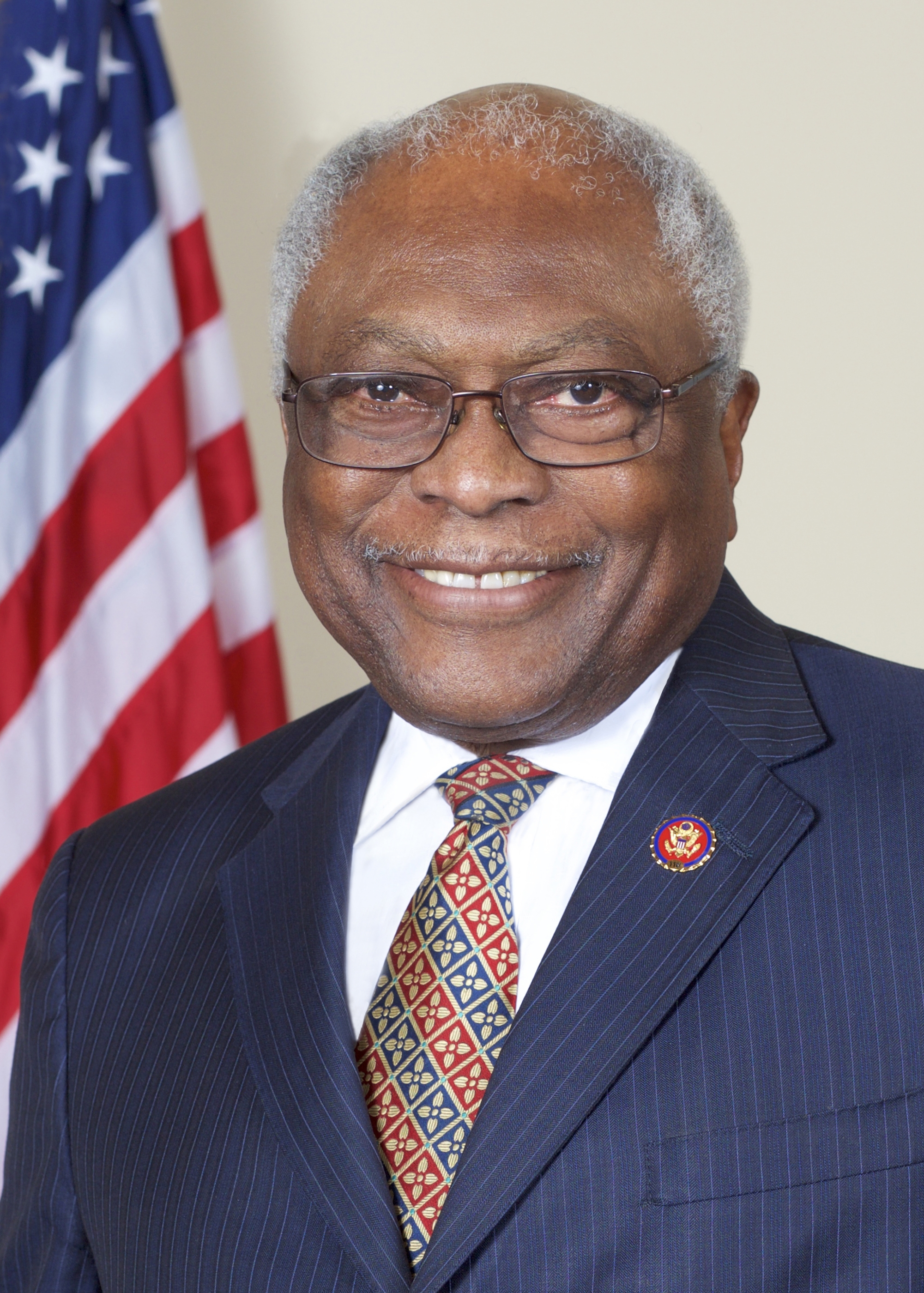
SC Senate cloture vote advances map to end Clyburn's Black district

May 23, 2026
Trump declares Iran peace MOU largely negotiated
May 22, 2026
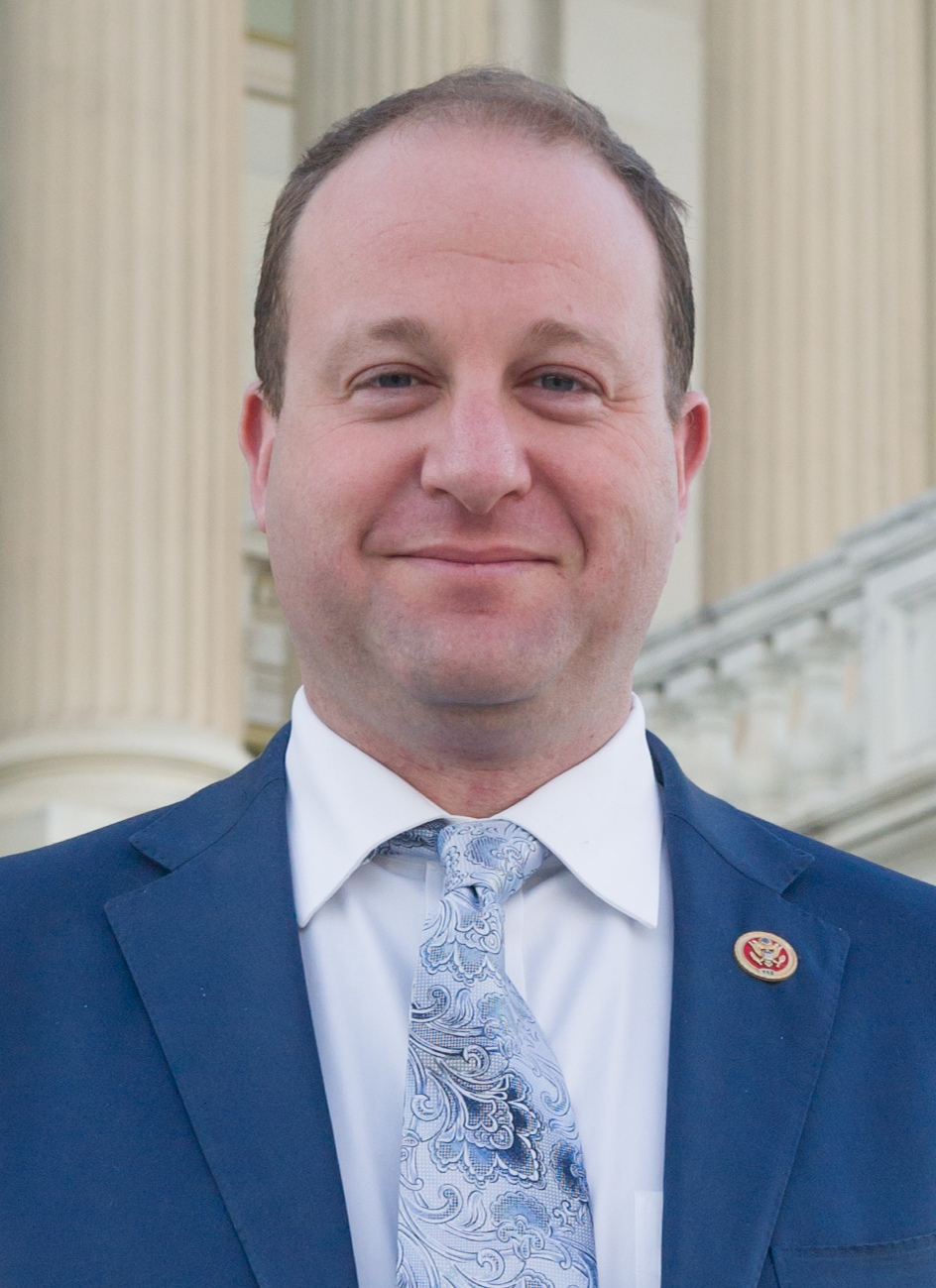
Colorado closes legal gap for defendants found unfit to stand trial

May 21, 2026
Trump DOJ goes 0-8 as Maine and Wisconsin dismiss voter roll suits
View All Constitutional Law Topics
545 topics
22 questions
Start the review