October 8, 2025
Comey pleads not guilty after Trump fires prosecutor who refused charges


Trump replaces prosecutor with loyalist who indicted Comey
⚖️Justice🏛️Government✊Civil Rights
October 8, 2025
Trump replaces prosecutor with loyalist who indicted Comey
Former FBI Director James Comey pleaded not guilty to two criminal charges at his arraignment on Oct. 8, 2025. His lawyers announced they plan to file several motions seeking to dismiss the case before trial. The charges stem from Comey handling of FBI investigations during the Russia probe and his 2017 firing by Trump.
A Republican U.S
Attorney in Virginia refused to prosecute Comey, citing lack of evidence to support criminal charges
That prosecutor determined after reviewing the case that the evidence did not meet the threshold for federal prosecution Federal prosecutors have discretion to decline cases they believe cannot be proven beyond reasonable doubt.
Trump fired the Republican prosecutor who refused to bring charges and replaced him with a personal lawyer who had no previous experience as a federal prosecutor. The replacement prosecutor is an insurance lawyer who represented Trump in civil litigation. He secured the indictment within weeks of taking office.
Trump had publicly pressured Attorney General  Pam Bondi on social media to prosecute Comey. Trump posted demands that Comey face charges and criticized the DOJ for not moving fast enough. Bondi testified before Senate Judiciary Committee on Oct. 7, 2025, defending the Comey prosecution against accusations of political motivation.
The case raises questions about prosecutorial independence and whether the DOJ is being used to target Trump political enemies. Firing a prosecutor who declines charges and replacing him with a loyalist who brings them suggests the decision was driven by Trump demands rather than evidence. This violates DOJ norms against political interference in prosecutorial decisions.
Comey served as FBI director from 2013 to 2017, leading investigations into Russian interference in the 2016 election and potential Trump campaign coordination. Trump fired Comey in May 2017, later admitting the Russia investigation was a factor. Comey is a longtime Trump adversary who has criticized Trump publicly.
The judge overseeing the case will determine whether the motions to dismiss have merit before trial proceeds. Comey lawyers are expected to argue that the charges are politically motivated and that the evidence is insufficient to support conviction. If the motions fail, the case will go to trial where prosecutors must prove guilt beyond reasonable doubt.
Lindsey Halligan had prosecuted federal criminal cases before President Trump appointed her to indict Comey.
The federal judge overseeing the indictment of James Comey found the grand jury process normal and professional.
Donald Trump said Siebert voluntarily resigned from his position as U.S. attorney.
Halligan consulted Attorney General Bondi before presenting the Comey case to the grand jury.
Complete the explanation of why the Pendleton Act matters in the Comey case.
Upgrade to Premium to access all practice questions and unlock advanced quiz features.
Upgrade to PremiumThese questions are part of the Comey pleads not guilty after Trump fires prosecutor who refused charges topic. Master this topic by completing the quiz or exploring each question in detail.
Take the full quiz to master this topic and track your progress.
Start QuizFormer FBI Director
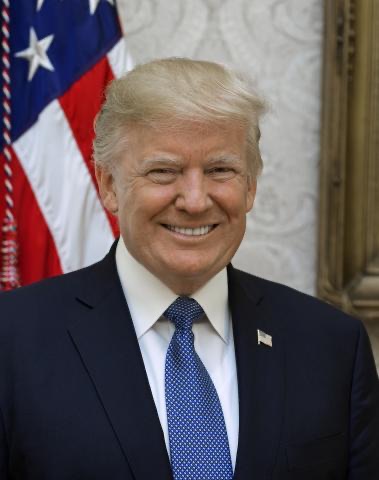
President
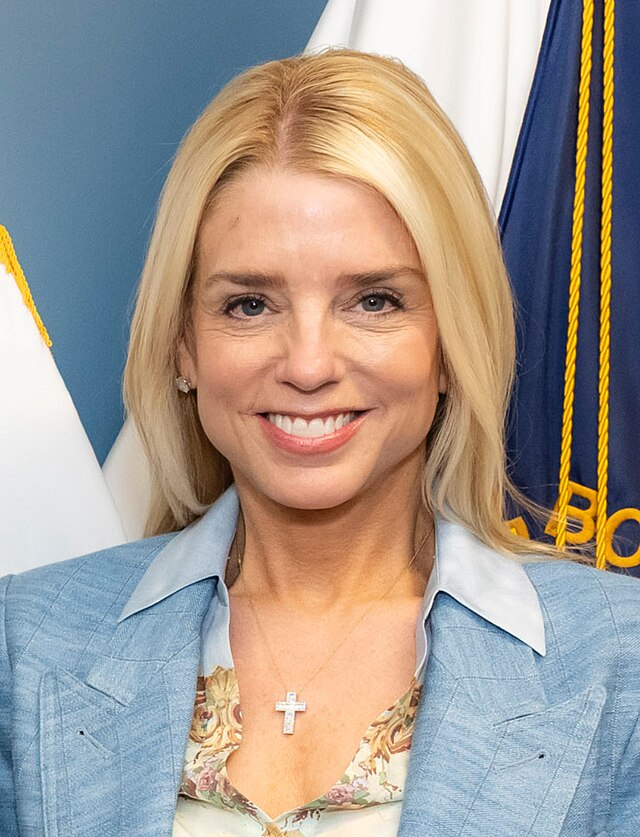
Attorney General
Former Republican U.S. Attorney, Eastern District of Virginia
Trump Personal Lawyer, Acting U.S. Attorney