Tax & BudgetGovernmentLegislative Process
September 2, 2025Congress faces September 30 shutdown as Democrats demand leverage
GOP controls Congress but still needs Democratic votes to avoid shutdown

Congress returned from six-week Aug. recess on Sep. 2, 2025, immediately confronting a government funding crisis with federal operations set to halt on Sep. 30 if no continuing resolution passes
Republicans control both the House and Senate with 53 Senate seats but need at least seven Democratic senators to reach the 60-vote threshold to overcome any filibuster on funding legislation, giving minority party unprecedented leverage in shutdown negotiations
Democratic leaders Chuck Schumer and Hakeem Jeffries demanded restoration of cuts to Medicaid and rural hospital funding in exchange for their votes on any continuing resolution
President Trump indicated willingness to meet with Democratic congressional leaders ahead of the Sep. 30 deadline but expressed public skepticism about their willingness to negotiate in good faith
The 2025 government shutdown resulted in furloughs for roughly 900,000 federal workers while forcing essential services like air traffic control, border security, and military operations to continue with approximately 2 million staff working without pay
The current continuing resolution system forces Congress to manufacture artificial budget crises every few months instead of passing annual appropriations bills through regular legislative process
Historical precedent shows that the party controlling the presidency typically receives blame for government shutdowns, creating political pressure on Trump to avoid closure while maintaining negotiating leverage
Related Topics
5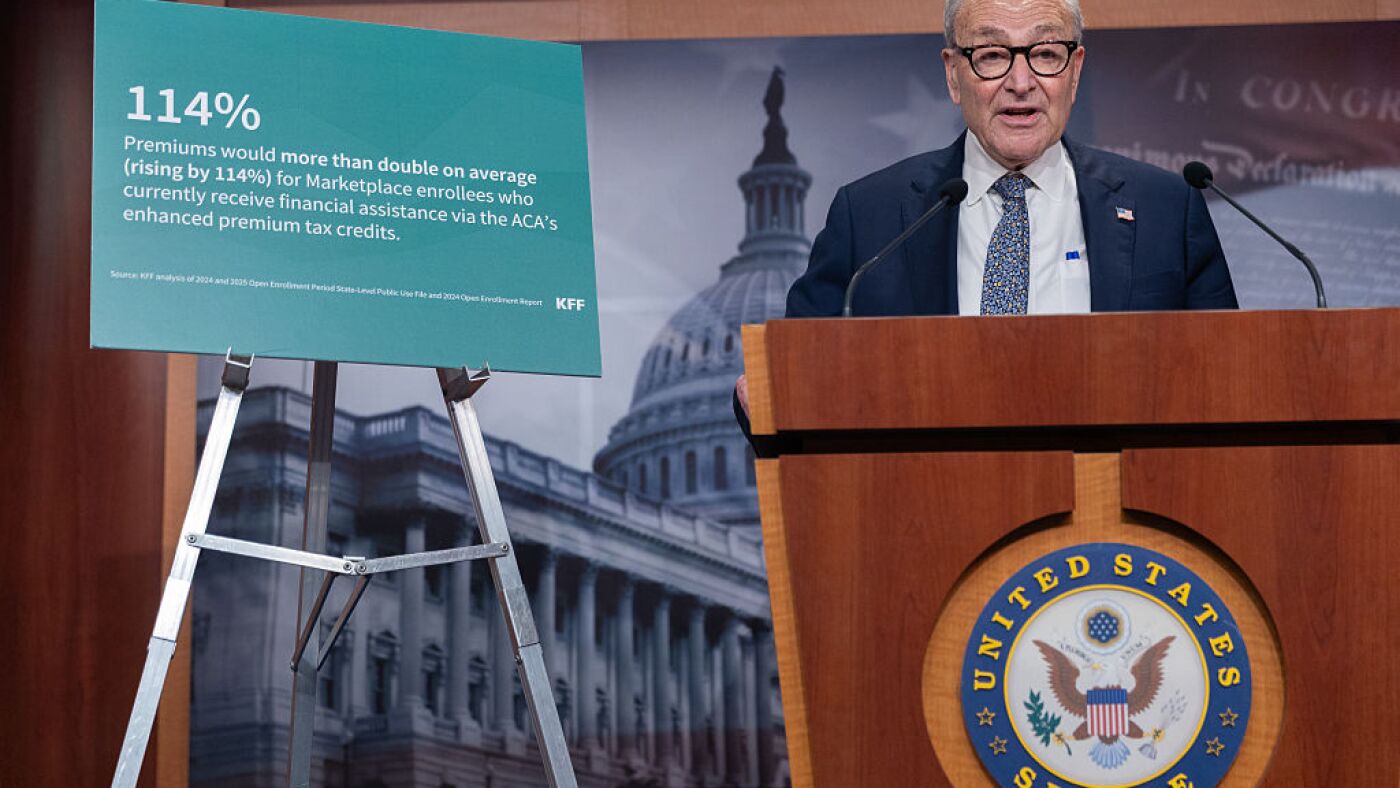
About 750,000 federal workers furloughed as Senate votes fail amid ACA subsidy fight
Republicans control all branches but blame Democrats for shutdown

Senate deadlocks on ACA subsidies, 800,000 workers furloughed
Premiums to spike 75% as Senate blocks subsidy extension
43-day shutdown ends as Trump signs funding bill after historic standoff
Longest shutdown in U.S. history ends with a deal that funds the government for just 11 weeks

Government shutdown reaches day 35, ties longest U.S. shutdown
Shutdown ties 2018-2019 record as Senate rejects funding 14 times amid fight over healthcare subsidies

Senate Democrats block CR over ACA subsidies
51-45 vote blocks GOP funding, White House threatens mass layoffs
11 questions
Start the review