April 26, 2026
IBM pays $17M in first anti-DEI False Claims Act settlement
Federal contractors must certify DEI compliance or face fraud liability
✊Civil Rights⚖️Justice👷Labor🏛️Government🔐Ethics
April 26, 2026
Federal contractors must certify DEI compliance or face fraud liability
President Trump signed Executive Order 14398 on March 26, 2026, requiring all federal contractors to certify they won't engage in 'racially discriminatory DEI activities.' The order defines this as practices where employees, applicants, or contracting parties are 'treated differently, separated, or singled out based on their race or ethnicity.' Federal agencies had 30 days to insert the new compliance clause (FAR 52.222-90) into all contracts. Agencies must modify existing contracts by July 24, 2026. ()
The certification requirement is 'material to the Government's payment decisions,' making it a direct trigger for False Claims Act liability. The executive order carries severe penalties for noncompliance: contract cancellation, termination, suspension, and ineligibility for future federal work. Acting Attorney General  Todd Blanche committed to investigating contractors who falsely certified compliance while maintaining diversity programs. ()
This marks the Trump administration's second major anti-DEI executive order targeting federal contractors. On January 21, 2025, Trump signed Executive Order 14173, requiring contractors to certify they don't operate illegal DEI programs under existing civil rights law. EO 14398 escalates enforcement by creating a mandatory contract clause with direct False Claims Act exposure. This transforms it from a certification requirement into a criminal liability tool. ()
On April 10, 2026, Acting Attorney General Todd Blanche announced IBM's $17,077,043 settlement. It was the first False Claims Act resolution under the DOJ's Civil Rights Fraud Initiative, launched in May 2025. DOJ alleged that IBM falsely certified compliance with federal anti-discrimination requirements in contracts while maintaining employment practices it contends discriminated based on race, color, national origin, or sex between January 2019 and April 2026. ()
The settlement doesn't require IBM to admit wrongdoing. IBM denied the allegations, calling the settlement 'neither an admission of liability by IBM nor a concession by the United States that its claims are not well founded.' IBM's payment was reduced because the company cooperated with the investigation, made early disclosures, and voluntarily terminated or modified the programs at issue. ()
DOJ alleged four specific discriminatory practices: using a 'diversity modifier' that tied bonus compensation to demographic targets; altering interview criteria based on race or sex; developing race and sex demographic goals for business units; and offering certain training and development opportunities only to specified demographic groups. These practices, DOJ argued, constituted false certifications that violated Title VII of the Civil Rights Act of 1964. Title VII is a requirement in all federal contracts with employers of 15 or more people. ()
The False Claims Act provides for treble damages (three times the loss), per-claim penalties up to $11,000, and allows private citizens to sue on behalf of the government and keep a portion of recovery. With IBM as the precedent, any federal contractor maintaining diversity programs now faces potential False Claims Act liability, even without an admission of guilt. ()
On April 20, 2026, the National Association of Diversity Officers in Higher Education (NADOHE), the American Association of University Professors (AAUP), the National Association of Minority Contractors, and the Mayor and City Council of Baltimore filed suit in U.S. District Court for the District of Maryland (case 8:26-cv-01532). Judge Adam B. Abelson is presiding. The plaintiffs argue the order violates the First Amendment by compelling contractors to certify they oppose DEI practices. That's a form of compelled speech the First Amendment generally prohibits. ()
The plaintiffs also argue EO 14398 violates the Fifth Amendment on equal protection grounds, claiming the order conditions federal spending on contractors abandoning protected speech and association. NADOHE argues the definition of 'racially discriminatory DEI activities' is so broad it covers constitutionally protected activities like mentoring programs, recruitment targeting underrepresented communities, and affinity groups. The lawsuit seeks a preliminary and permanent injunction blocking enforcement. ()
This case has significant stakes. NADOHE represents 2,200+ diversity officers at universities and agencies, and the decision will affect approximately $650 billion in annual federal contracting. Courts have yet to rule on whether contractors have First Amendment compelled-speech rights in the federal contracting context, making the outcome unpredictable. A prior preliminary injunction blocking earlier Trump anti-DEI orders was vacated by an appeals court in February 2025, complicating the legal landscape. ()
The False Claims Act, enacted in 1863, allows the federal government to sue contractors for submitting false claims for payment. When a contractor falsely certifies compliance with contract terms, the FCA provides the government with up to three times the actual loss plus civil penalties of $5,500 to $11,000 per violation. The qui tam provision of the FCA allows private citizens to sue on behalf of the government and keep a percentage of any recovery. EO 14398 explicitly directs the Attorney General to 'ensure prompt review of civil actions brought by private persons,' signaling the administration will actively support whistleblower suits. ()
Federal contractors are scrambling to audit and modify their diversity programs. Many are reviewing employee resource groups, mentoring programs, recruitment practices, and training initiatives to determine which activities fall under 'racially discriminatory DEI.' The uncertainty is intentional: EO 14398 doesn't clearly define the boundary between permissible diversity initiatives and prohibited race-based practices. Some organizations are terminating programs; others are restructuring them to focus on broader inclusion rather than specific demographic targeting. ()
Universities with federal contracts face particular pressure. Higher education institutions receive roughly $80-100 billion annually in federal research grants and student aid. If a university maintains diversity hiring practices, mentoring programs, or scholarship funds targeting underrepresented groups, it now risks contract termination and False Claims Act liability. The NADOHE lawsuit reflects this concern: many university diversity officers could lose their positions if courts uphold the executive order. ()
Federal courts haven't yet ruled on whether EO 14398 violates the First Amendment. Courts also haven't decided whether the government can condition federal contracts on suppressing speech, or whether the definition of 'racially discriminatory DEI activities' gives contractors adequate notice of what's prohibited. These questions likely won't be resolved until appeals courts and possibly the Supreme Court weigh in. That process could take two to three years. Meanwhile, the order remains in effect. ()
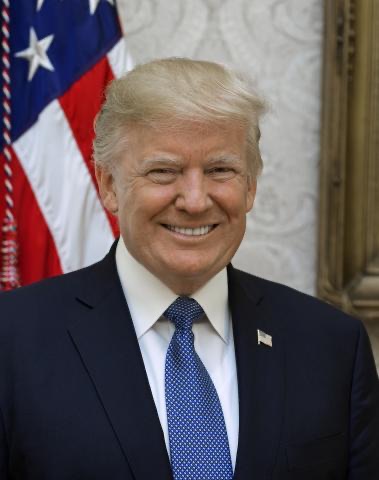
President of the United States
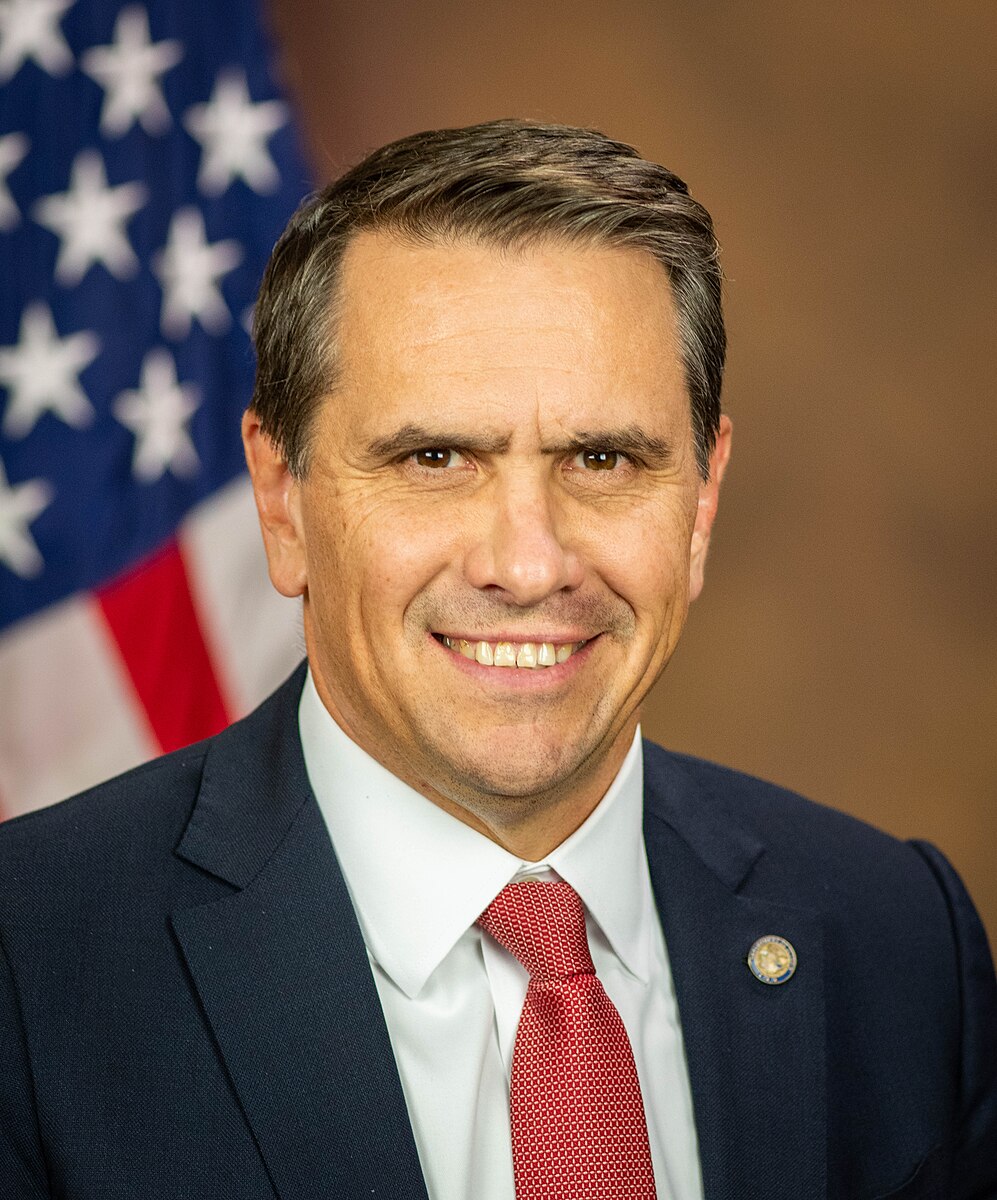
Acting Attorney General of the United States
U.S. District Judge, District of Maryland
President and CEO of NADOHE
President of the American Association of University Professors
Director of the Office of Federal Contract Compliance Programs
civic action
Submit public comments on FAR rulemaking for EO 14398
The FAR Council is required to issue final Federal Acquisition Regulation amendments by May 25, 2026. Before final rules are published, the public can submit comments on proposed rules that affect federal contractor compliance requirements.
I'm submitting a public comment on the proposed FAR clause implementing Executive Order 14398. The clause as drafted is unconstitutionally vague. It prohibits 'racially discriminatory DEI activities' without defining that term clearly enough for contractors to know what's permitted. A mentoring program for underrepresented groups, a scholarship targeting low-income students from specific communities, or recruitment at historically Black colleges—do these violate the order? Contractors can't know without filing expensive litigation. This violates due process principles requiring fair notice of prohibited conduct. I urge the FAR Council to define the boundary between permissible diversity initiatives and prohibited practices before final publication.
civic monitoring
Track the NADOHE lawsuit for rulings on contractor First Amendment rights
Case 8:26-cv-01532 before Judge Adam B. Abelson will determine whether federal contractors can be compelled to certify anti-DEI positions. Rulings in this case will affect universities, nonprofits, and corporations nationwide.
civic action
Attend FAR Council public hearing on EO 14398 rulemaking
The FAR Council will hold public hearings before finalizing the EO 14398 clause. These hearings allow stakeholders—contractors, nonprofits, universities—to testify on compliance challenges and the practical impact of vague definitions.
Thank you for the opportunity to testify. Our organization received federal contracts totaling $5 million last year. Under EO 14398, we're facing impossible choices. We maintain mentoring programs targeting first-generation students and underrepresented communities. We also offer targeted recruitment at minority-serving institutions. Our legal team can't determine whether these programs violate the executive order. We're considering shutting them down entirely to avoid liability. But that harms students and eliminates pathways we've built over years. Before implementing this clause, the FAR Council must define precisely what 'racially discriminatory DEI' means. Otherwise, contractors will eliminate all diversity initiatives out of caution, even if they would legally comply.