ImmigrationTax & BudgetGovernmentLaborLegislative Process
April 13, 2026DHS shutdown ends as ICE keeps $75B OBBBA windfall, bypassing Congress
ICE gets $75B through reconciliation, escaping Democratic oversight entirely

House Speaker Mike Johnson agreed on April 13 to hold a vote on the Senate-passed DHS funding bill, ending a 57-day record partial shutdown of the Department of Homeland Security NPR. The Senate had passed a bipartisan bill weeks earlier that funded TSA, FEMA, the Coast Guard, CISA, and the Secret Service through September 2026 — but explicitly excluded ICE and CBP border patrol operations. Johnson had refused to bring it to the House floor for weeks, calling the Senate deal a 'crap sandwich' and insisting on full DHS funding including ICE.
Johnson reversed course after President Trump encouraged Republicans to pursue ICE and CBP funding through — a parliamentary process that allows certain spending legislation to pass the Senate with 51 votes, bypassing the filibuster's 60-vote threshold Axios. Senate Budget Committee Chair Lindsey Graham had already announced he was working 'expeditiously' to meet Trump's June 1 deadline for a reconciliation bill covering ICE, CBP, and Iran war costs.
The reconciliation route for ICE funding isn't new — it's a continuation of a pattern the One Big Beautiful Bill Act established. Congress passed the OBBBA on July 4, 2025, using budget reconciliation with no Democratic votes CARH. Among hundreds of provisions, the law included $75 billion in new funding for ICE on top of the agency's roughly $10 billion annual appropriation. That $75 billion infusion made ICE the highest-funded federal law enforcement agency in the United States — higher than the FBI, DEA, ATF, or the Secret Service NPR.
When ICE officers shot and killed two U.S. citizens in Minneapolis in early 2026, Democrats pledged to fund ICE and Border Patrol only if the White House agreed to reforms — including requiring judicial warrants to enter homes and banning officers from wearing masks during enforcement operations. Republicans refused those conditions, leading to the shutdown.
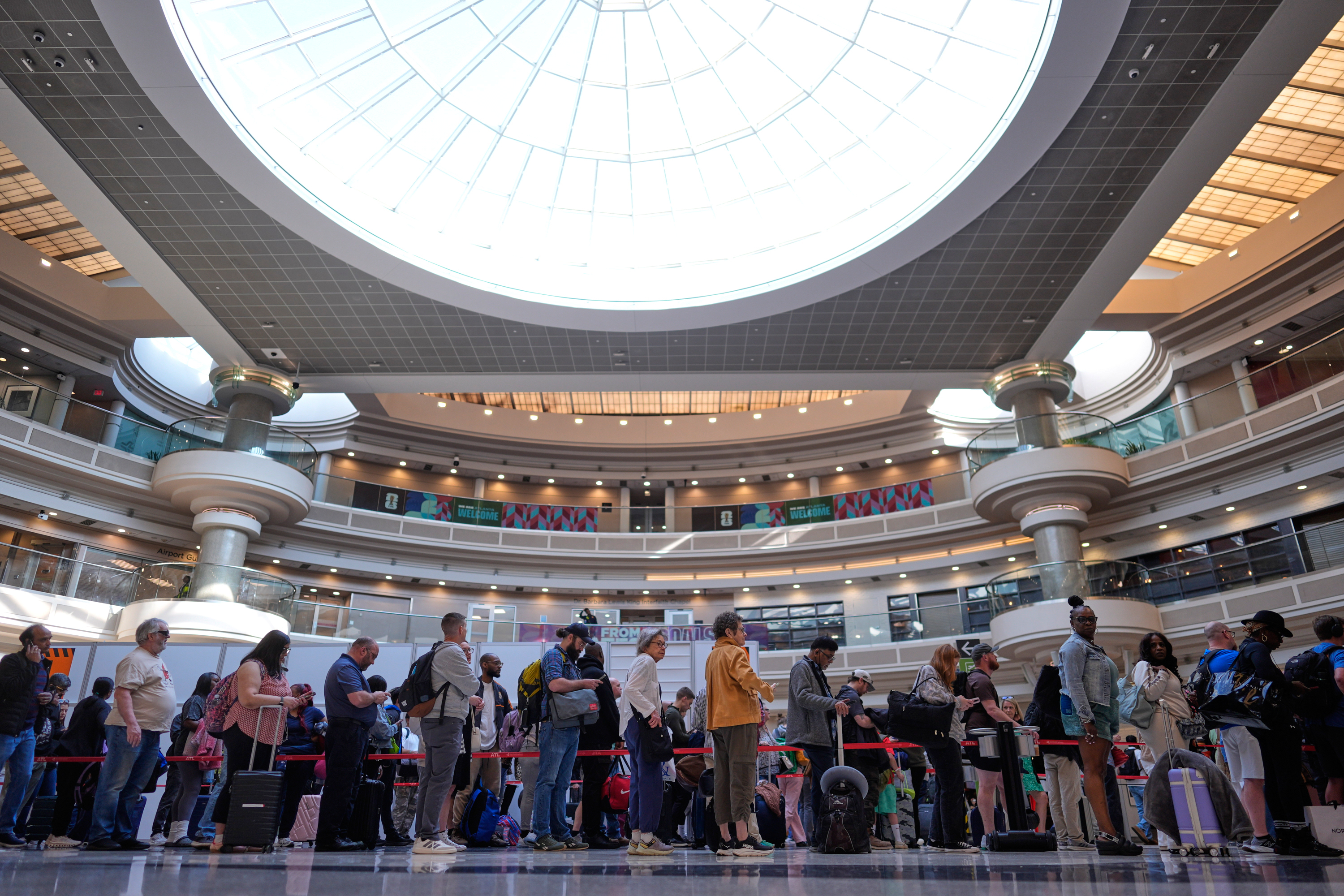
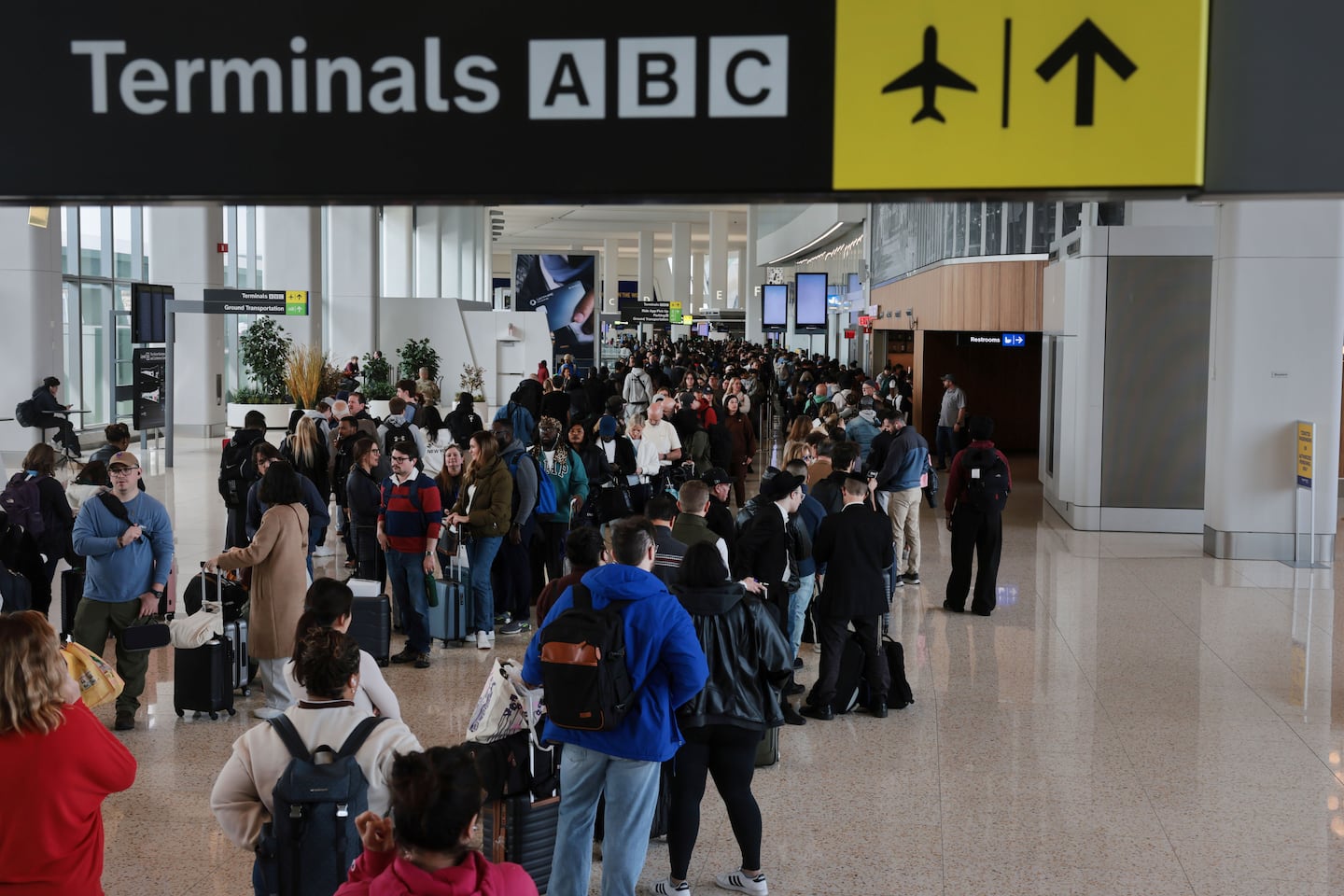
The shutdown lasted 57 days, beginning February 19, 2026, after a continuing resolution expired CBS News. The 57-day duration surpassed the previous record for any single-agency or department-level shutdown. During that period, 240,000-plus DHS workers were furloughed or required to work without pay. TSA saw more than 450 officers resign and additional officers call out sick at rates reaching 40 to 55 percent at major airports. Wait times at major hubs exceeded four and a half hours during peak travel periods.
Secretary Sean Mullin — confirmed 54 to 45 amid the shutdown — issued an executive recall ordering all DHS employees back to work without pay, citing national security. Legal scholars disputed whether any statute authorized that action. Trump separately signed a presidential memo directing DHS to pay workers, but the underlying appropriations dispute remained unresolved until the April 13 vote.
Budget reconciliation can only be used under narrow conditions. Congress can use it only once per budget resolution, and only for provisions that directly affect federal spending, revenues, or the debt limit The Hill. The — named for former Senate Democratic leader Robert Byrd — prohibits 'extraneous' provisions that lack a direct budget impact. If a senator raises a Byrd Rule point of order against a reconciliation provision, the Senate Parliamentarian decides whether it stays.
Funding ICE operations for three years at elevated levels could face challenges: critics argue that directing specific operational priorities for an agency is policy, not budgeting. Republicans pushed through the $75 billion ICE allocation in the OBBBA by arguing it was a direct spending appropriation rather than a policy mandate. The same argument is likely to be used for the follow-on reconciliation bill targeting ICE and CBP through 2029.
The two-track approach splits funding from all other DHS funding in a way that has no modern precedent Fox News. Before the OBBBA and the DHS shutdown, ICE's annual appropriations went through the regular appropriations process — subject to bipartisan negotiation, filibuster, and amendment. Now ICE will have a three-year funding commitment locked in through reconciliation with no Democratic input, and a $75 billion reserve from the OBBBA that is not subject to annual appropriations review.
Senate Budget Chair Graham announced he is pursuing at least two more reconciliation bills: a quick one for ICE and border funding, and a fall bill incorporating voter registration reforms related to the SAVE Act. Critics note that each use of reconciliation reduces Congress's ability to use the appropriations process as a check on executive branch behavior. The — Article I, Section 9's most fundamental legislative tool — is increasingly being replaced by one-party budget maneuvers that lock in multi-year spending without bipartisan oversight.
Related Topics
6
Trump signs bill to end the record seventy-five-day DHS shutdown. ICE stays unfunded.
Trump ended a seventy-five-day DHS partial shutdown by signing a bill that funds TSA, FEMA, the Coast Guard, and the Secret Service. ICE and CBP remain unfunded, waiting on a $70 billion Senate reconciliation vote.
Senate votes 50-48 to fund ICE without Democrats using budget reconciliation
$70B in ICE funding bypasses the filibuster, no Democratic votes needed
Secretary Mullin recalls DHS workforce using alternative funds during 59-day shutdown
DHS uses One Big Beautiful Bill Act money to pay employees without congressional appropriation
House passes DHS stopgap 213-203 as Senate leaves on recess
House and Senate pass rival DHS bills as shutdown enters week 7
Trump's DHS shutdown hits 44 days, longest in U.S. history
TSA absences topped 40% as the DHS shutdown broke all U.S. records

Government shuts down, but ICE keeps operating with $75B Congress can't touch
ICE's mandatory funding makes it untouchable while other agencies close
20 questions
Start the review