Digital Rights · National Security · AI Governance · Civil Rights·February 3, 2026
DHS demands real identities behind anonymous accounts criticizing ICE
Tech companies voluntarily hand over user data without court orders

The Department of Homeland Security sent hundreds of administrative subpoenas to Google, Meta, Reddit, and Discord demanding the real identities behind anonymous accounts that criticized Immigration and Customs Enforcement. DHS relied on two statutes designed for immigration enforcement, 8 U.S.C. section 1225(d) and 19 U.S.C. section 1509(a)(1), neither of which was written to identify political critics. A Washington Post investigation published February 3, 2026 revealed the scope of the campaign. In October 2025, DHS subpoenaed records for a retiree who had simply emailed criticism of ICE, and agents later appeared at the person''s doorstep. On January 16, 2026, DHS withdrew a subpoena targeting a bilingual Pennsylvania account called Montco Community Watch that posted ICE enforcement alerts, pulling the subpoena before a judge could rule on it. DHS retracted another subpoena on February 5, 2026 in an ACLU case. By February 17, 2026, Reddit, Meta, and Google had voluntarily complied with at least some of the subpoenas. The pattern is consistent: DHS withdraws each subpoena before any court can issue a ruling, avoiding the creation of legal precedent that could limit this practice.
Key facts
Hundreds of administrative subpoenas landed at Google, Meta, Reddit, and Discord from DHS, demanding the real identities behind anonymous accounts that criticized Immigration and Customs Enforcement. These were administrative subpoenas, meaning DHS issued them unilaterally without any judge reviewing or approving the request. Administrative subpoenas require only that the agency assert the information is relevant to an authorized investigation.
Two immigration enforcement statutes served as the legal backbone: 8 U.S.C. section 1225(d), which governs inspection of persons seeking admission to the United States, and 19 U.S.C. section 1509(a)(1), which authorizes customs examination of records. Neither statute was written to authorize identifying anonymous political critics on social media. Legal experts describe this as a significant stretching of statutory authority beyond Congressional intent.
In October 2025, a retiree who had emailed criticism of ICE operations became a target. After DHS subpoenaed the person's identifying information, agents physically appeared at their doorstep. This case demonstrates how the subpoena program moves from digital surveillance to in-person intimidation, creating a direct chilling effect on political speech.
Montco Community Watch, a bilingual Pennsylvania account that posted alerts about ICE enforcement activity in Montgomery County, drew a subpoena that DHS withdrew on January 16, 2026. The withdrawal came just before a federal judge was scheduled to rule on the ACLU's challenge to it. By pulling the subpoena, DHS prevented the court from establishing precedent that could limit future demands.
Washington Post reporters published an investigation on February 3, 2026 that revealed the full scope of the subpoena campaign. Their reporting documented hundreds of subpoenas sent to multiple tech platforms, establishing that this was a systematic program rather than isolated incidents. The investigation drew on internal DHS communications and interviews with affected individuals.
By February 17, 2026, Reddit, Meta, and Google confirmed they had voluntarily complied with at least some subpoenas by providing user-identifying information. None of these platforms were compelled by a court order. Meanwhile, on February 5, DHS retracted a subpoena in a separate ACLU case, continuing the pattern of withdrawal before judicial review.
Anonymous political speech enjoys robust constitutional protection
In McIntyre v
Ohio Elections Commission (1995), the Supreme Court ruled that anonymous political speech is protected by the First Amendment In Talley v California (1960), the Court struck down a ban on anonymous leaflets DHS's subpoena campaign directly challenges this constitutional protection by using executive power to unmask speakers without judicial oversight.
Withdrawing subpoenas before courts can rule creates a deliberate legal vacuum
Each withdrawal prevents the establishment of binding precedent that would define the limits of DHS authority to unmask anonymous speakers
Meanwhile, any data already obtained through voluntary compliance remains in government hands This approach lets DHS achieve its immediate surveillance goals while avoiding the legal risks of an adverse court ruling.
Related
Categories that may be relevant to you
5 topics available

May 23, 2026
DOJ scrubs hundreds of Jan. 6 prosecution records from website
May 22, 2026
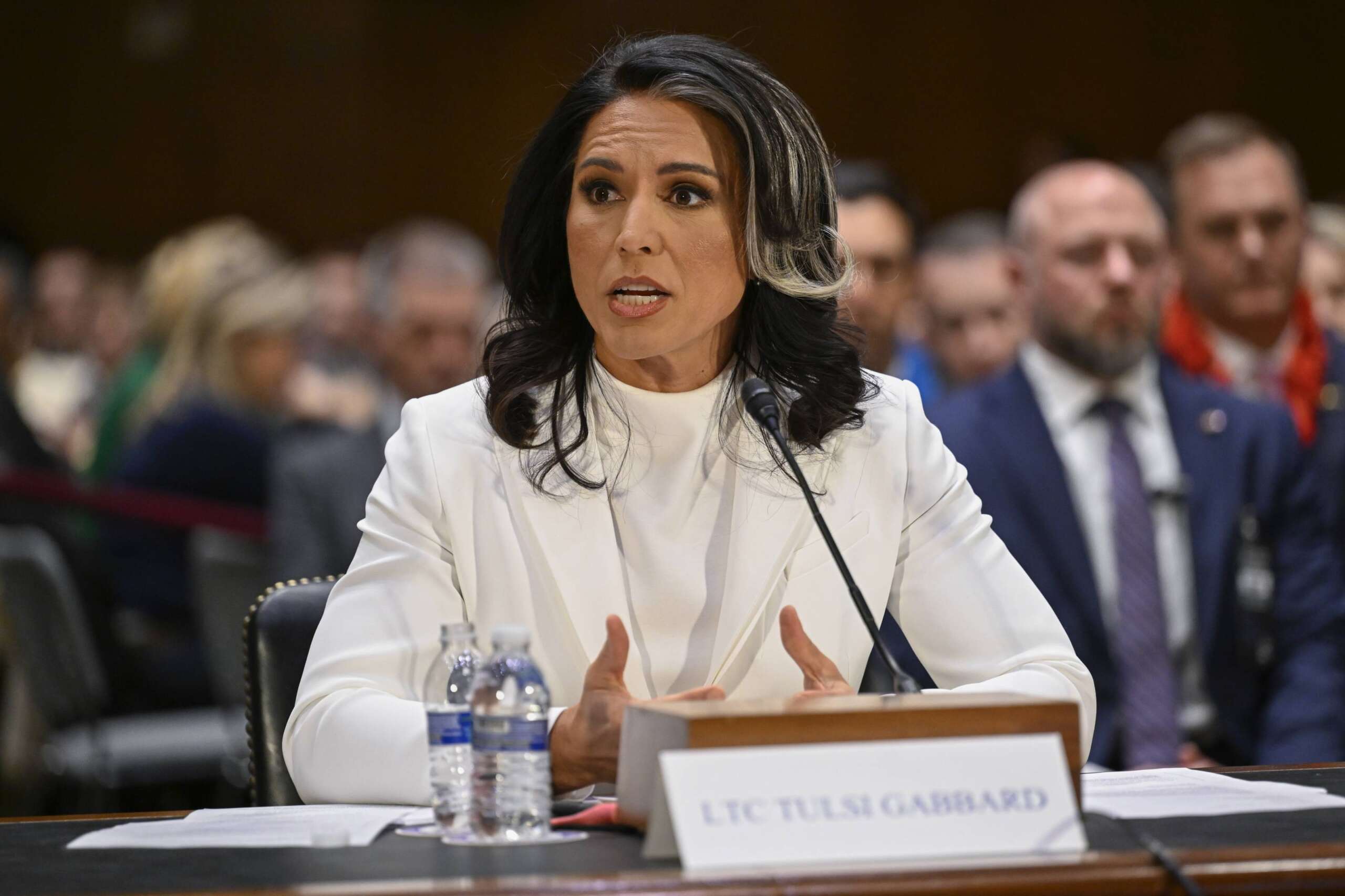
Gabbard resigns as director of national intelligence
⚖️
May 22, 2026
Colorado closes legal gap for defendants found unfit to stand trial
🔍
May 22, 2026
FTC fines Cox Media Group $930K for fake AI listening ad service
🏫
May 22, 2026
Tennessee governor signs Memphis schools state takeover into law
View All Government Topics
769 topics
19 questions
Start the review