April 26, 2026
DOJ targets 384 naturalized Americans for citizenship revocation

100x surge in denaturalization cases — 39 offices, first wave of hundreds
🛂Immigration⚖️Justice📜Constitutional Law✊Civil Rights
April 26, 2026
100x surge in denaturalization cases — 39 offices, first wave of hundreds
On April 23, 2026, the Department of Justice announced it's targeting 384 foreign-born naturalized Americans for potential citizenship revocation. Senior DOJ officials in Washington told colleagues that civil litigators in 39 regional U.S. Attorney offices would handle these cases. The announcement called this the "first wave" of litigation, signaling additional waves will follow.
Francey Hakes, Director of the Executive Office for U.S. Attorneys, emphasized the scale of the effort. This 384-person cohort represents the largest group ever referred for denaturalization proceedings in U.S. history. ()
The denaturalization system historically averaged about 11 cases per year. The DOJ now aims for 100 to 200 referrals per month, representing a 100-to-200-fold increase. This means the government could process 1,200 to 2,400 cases annually compared to the prior 11 annually.
The decentralization to 39 regional offices enables this acceleration. Instead of concentrating cases in a Washington-based unit, each regional U.S. Attorney's office now handles denaturalization cases in its jurisdiction. This distributed model allows multiple offices to prosecute cases simultaneously, dramatically increasing total throughput. ()
The government can seek denaturalization on two primary grounds. First, fraud or misrepresentation during the naturalization process—someone deliberately lied or concealed a material fact that influenced the decision to grant citizenship. Second, illegal procurement—the person wasn't legally eligible for citizenship because they failed to meet statutory requirements like good moral character or lawful permanent residence.
Recent cases involved individuals who concealed criminal histories, identity fraud, sham marriages, and false statements on N-400 naturalization applications. A federal court in April 2026 revoked the citizenship of Gurdev Singh Sohal, who had hidden a prior deportation order and created a fictitious identity to naturalize in 2005. The court found his concealment of prior immigration history demonstrated he lacked good moral character. ()
Denaturalization is a civil proceeding, not a criminal trial. Under federal law (8 U.S.C. Section 1451), the government must prove its case using the "clear and convincing evidence" standard. This is higher than the typical civil standard (preponderance of the evidence) but lower than the criminal standard (beyond a reasonable doubt).
The Supreme Court's 2017 Maslenjak v. United States ruling further protected naturalized citizens by requiring the government to prove fraud was "material"—meaning it actually influenced the decision to grant citizenship. The government can't denaturalize someone just by proving fraud occurred on the application; they must show the fraud would have prevented citizenship if discovered. ()
Approximately 23 million Americans are naturalized citizens, representing roughly 7% of the U.S. population. The expansion of denaturalization efforts creates a chilling effect across this entire population. Citizens who naturalized decades ago now face the prospect that old applications will be reviewed with fresh eyes and new standards.
USCIS has deployed specialized teams across approximately 80 field offices to review past naturalization approvals. These teams search for cases where applicants provided false information on their N-400 applications, concealed criminal history, or obtained citizenship through fraud. Once USCIS identifies a case, it refers the matter to DOJ's Civil Division, which files civil lawsuits in federal court. ()
The 100-to-200 monthly referral targets represent an unprecedented quota system for denaturalization. With 39 offices tasked with this volume, individual U.S. Attorneys offices could face significant caseload increases. Critics warn that quota-driven prosecution creates pressure to bring cases to meet arbitrary goals rather than on their individual merits.
Acting Attorney General  Todd Blanche stated: "The Department of Justice is laser-focused on rooting out criminal aliens defrauding the naturalization process." Yet the selection criteria for the initial 384 cases remain unclear. White House Spokeswoman Abigail Jackson said: "Citizenship fraud is a serious crime; anyone who has broken the law and obtained citizenship through fraud and deceit will be held accountable." Without transparent case selection, quota systems risk denaturalization being used as a political weapon rather than limited to clear-cut fraud. ()
Mass denaturalization raises Fifth Amendment due process questions. Citizenship is a constitutionally protected status. If caseloads accelerate beyond what courts can handle thoroughly, individuals might not receive adequate opportunity to contest fraud allegations with full discovery and legal representation.
Denaturalization cases have historically taken months or years to litigate, requiring discovery, evidence presentation, and judicial review. The DOJ's acceleration plan compresses these timelines dramatically while maintaining the same procedural requirements. Congressional critics argue Congress should demand oversight, noting that the expansion goes beyond the administration's original campaign pledges to target criminal undocumented immigrants. ()
The U.S. previously denaturalized significant numbers of citizens during World War II, particularly Japanese Americans and German Americans. Those cases are now viewed as grave civil liberties abuses. The current expansion raises questions about whether citizenship will function as a final, stable legal status or remain permanently revocable if old files are audited.
Immigration scholars warn that expanded denaturalization efforts could affect civic trust and participation. Naturalized citizens might delay or abandon citizenship applications if they perceive the status as unstable. Historian Ashley Mantha-Hollands noted: "Each field office reportedly aims to submit a set number of cases monthly to immigration litigation units. Internal discussions have cited a target of 100 to 200 cases per month. Therefore, the volume could quickly surpass the 102 denaturalization lawsuits filed during President Donald Trump's first four years in office." ()
White House Deputy Chief of Staff for Policy and Homeland Security Adviser
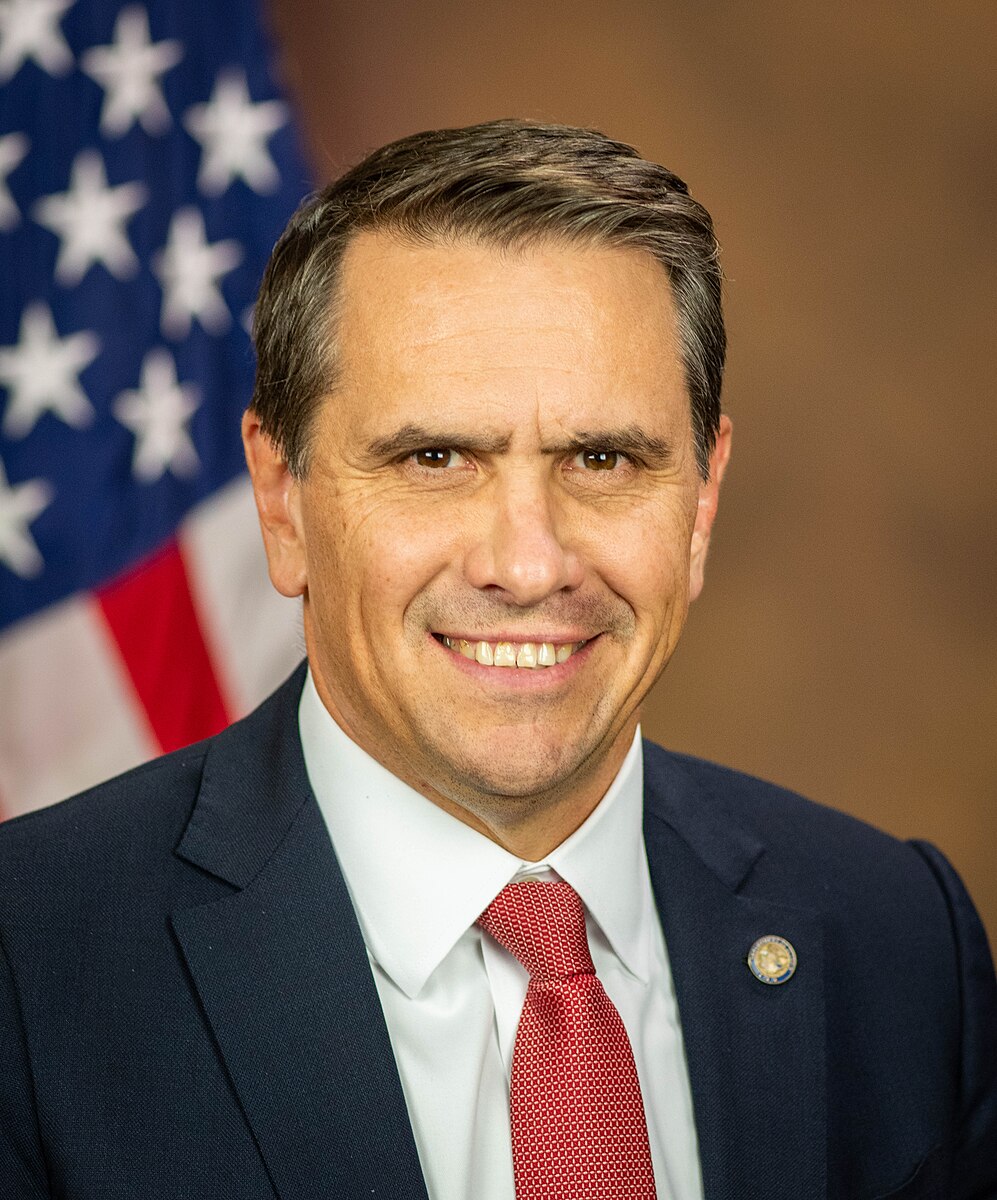
Acting Attorney General of the United States
Assistant Attorney General, Civil Division
Director, Executive Office for U.S. Attorneys (EOUSA)

Attorney General of the United States
White House Spokesperson
civic action
Call your U.S. senator about denaturalization oversight
Congress has constitutional authority over naturalization and immigration law. Denaturalization quotas raise constitutional concerns about due process and citizenship stability. Request congressional oversight, reporting requirements, or legislative guardrails for the denaturalization program.
Hi, I'm calling from [city] in [state]. I'm concerned about the DOJ's expanded denaturalization program targeting 384 naturalized citizens with plans to process 100 to 200 cases per month. These quotas pressure prosecutors to meet arbitrary targets rather than prosecute cases on merit. I'd like to know: What oversight does Congress exercise over denaturalization enforcement? Will [Senator name] support legislation requiring DOJ to report denaturalization case selection criteria and prohibit quota-driven prosecution? Citizenship should be permanent, not provisional.
civic resource
Contact the American Civil Liberties Union for legal resources
The ACLU and other civil rights organizations provide legal resources, representation, and advocacy for naturalized citizens facing denaturalization proceedings. These organizations also challenge the constitutionality of quota systems and due process violations in accelerated timelines.
I'm a naturalized U.S. citizen concerned about the DOJ's expanded denaturalization program. I want to understand my rights if I'm targeted, what denaturalization proceedings look like, and how to find legal representation. Can the ACLU provide resources on challenging denaturalization cases or joining class-action litigation challenging the program's constitutionality?
civic resource
Contact the National Immigration Law Center for expert analysis
The NILC provides technical expertise on immigration law, publishes analyses of denaturalization policy changes, and coordinates advocacy efforts to protect naturalized citizens' rights. They track case outcomes and quota system impacts.
I'm interested in understanding the legal and policy implications of the DOJ's denaturalization quota system. Can NILC provide analysis of how monthly targets of 100-200 cases differ from historical practice? Are there legal theories for challenging quota-driven prosecution as arbitrary and capricious or violating due process?