April 24, 2026
DOJ drops criminal probe of Federal Reserve Chair Powell

Probe dropped with no charges, Warsh confirmation path cleared
🏛️Government⚖️Justice💰Economy🔐Ethics
April 24, 2026
Probe dropped with no charges, Warsh confirmation path cleared
On , U.S. Attorney Jeanine Pirro announced the DOJ was dropping its criminal investigation into Federal Reserve Chair  Jerome Powell. One day earlier, a that the office 'didn't have evidence of any crimes.' The investigation examined renovation cost overruns at the Fed's Washington headquarters.
In March 2026, Chief Judge , stating there was . This ruling was a direct rebuke of the investigation's legal basis, yet it continued until Pirro's announcement.
Senator to replace Powell as Fed Chair—explicitly contingent on the criminal probe being dropped. Once the probe was dropped, the procedural obstacle to Warsh's confirmation was removed.
Pirro stated she "will not hesitate to restart a criminal investigation should the facts warrant doing so," preserving the threat of renewed prosecution. The decision to drop the probe—without conviction or acquittal—leaves Powell's legal status ambiguous. Under double jeopardy principles, prosecutors can't retry the same conduct, but Pirro's language suggests political will to pursue Powell if circumstances change. This echoes broader patterns of using DOJ authority as a tool for political leverage.
U.S. Attorney for Washington D.C.
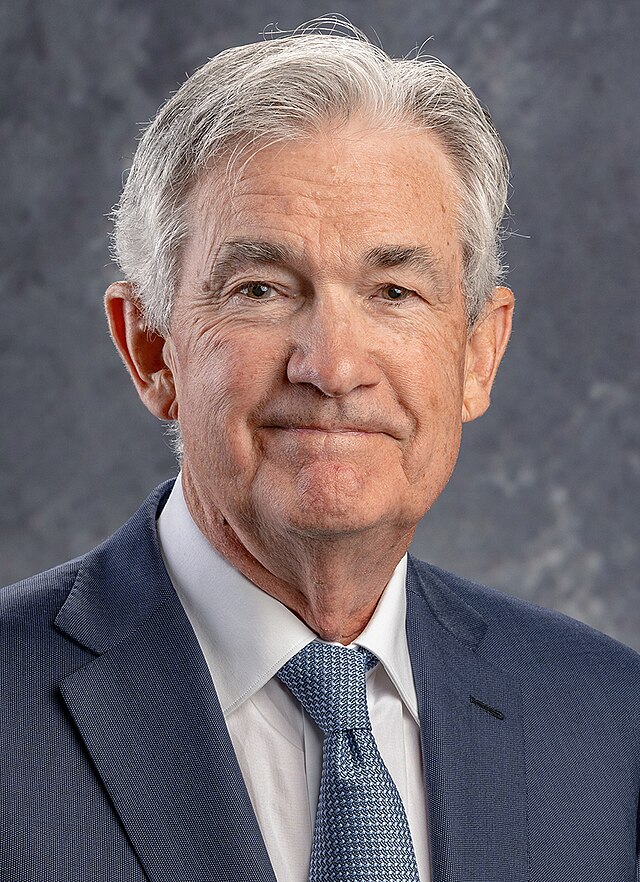
Federal Reserve Chair
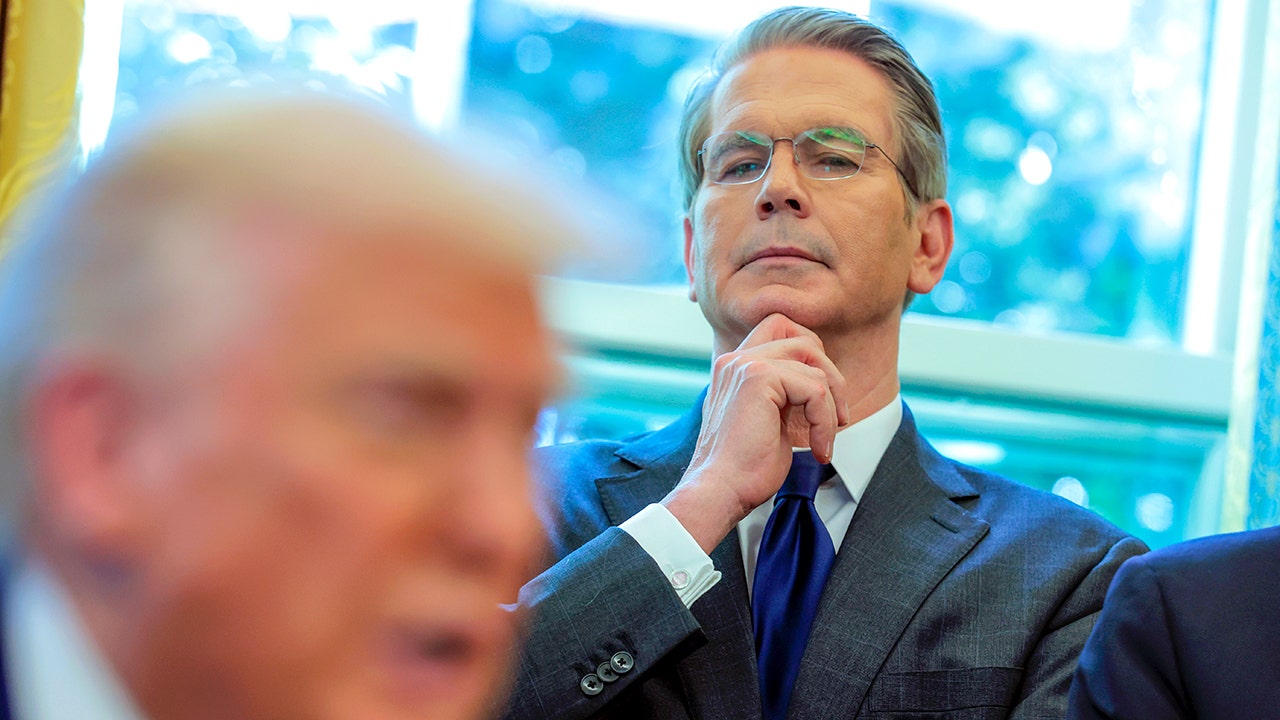
Trump's nominee for Federal Reserve Chair
U.S. Senator (R-NC)
U.S. Attorney for the District of Columbia
civic action
Contact your representatives about Federal Reserve independence safeguards
Federal Reserve independence is foundational to sound monetary policy. When criminal investigations are used as political leverage to influence Fed leadership, that independence is threatened. Congress should consider safeguards—such as restrictions on using law enforcement to pressure independent agencies—to protect institutional autonomy.
Hello, I am [NAME], a constituent from [CITY/STATE]. I'm calling about Federal Reserve independence. The DOJ's investigation into Powell appears to have been used as political leverage to influence his replacement. I urge you to support legislation protecting the Fed's institutional independence from executive pressure and ensuring that criminal investigations are based on evidence, not political goals.
civic action
Attend a town hall to discuss judicial independence and prosecutorial standards
Prosecutorial decisions must be based on evidence, not political goals. When the DOJ continues investigating despite lack of evidence—and then drops the probe once leverage is achieved—public confidence in law enforcement erodes. Engage with local civic organizations to discuss what accountability mechanisms exist.
Hello, my name is [NAME], from [CITY/STATE]. I want to discuss the Federal Reserve investigation. A federal prosecutor admitted there was no evidence of crimes, yet the investigation continued until it achieved its political purpose of clearing the way for Powell's replacement. This raises serious questions about prosecutorial integrity. What standards govern when investigations should be dropped? Who ensures investigations are evidence-based rather than political?
civic action
Support media outlets covering prosecutorial accountability and Fed independence
Investigative journalism plays a crucial role in exposing when law enforcement is weaponized for political purposes. Support outlets that follow prosecutorial decisions and institutional independence issues with rigor. Subscribe, donate, or share reporting that holds power accountable.
Hello, I'm [NAME] from [CITY/STATE]. I want to support journalism that investigates how the DOJ investigation into Powell exemplifies the weaponization of law enforcement. When criminal probes are launched under executive pressure, continue despite lack of evidence per judicial review, and then dropped once leverage is achieved—that's the kind of pattern that requires rigorous reporting. I'm reaching out to support your investigative work.
civic action
Monitor Federal Reserve leadership and independence in the next Congress
The Federal Reserve's institutional independence is critical for sound monetary policy. When the path to replacing a Fed Chair is cleared through dropped criminal investigations tied to Senate confirmation holds, that independence is threatened. Stay informed about Fed leadership, monetary policy decisions, and whether they reflect economic evidence or political pressure.
Hello, I'm [NAME] from [CITY/STATE]. The Federal Reserve's independence has been questioned by how the Powell investigation was resolved. I want to understand whether Fed policy decisions—on interest rates, inflation, and other critical issues—are being made based on economic evidence or political pressure. What safeguards ensure the Fed Chair's decisions are independent from political influence?