April 28, 2026
DOJ indicts former Fauci adviser for concealing COVID records
Trump administration targets NIAID official in COVID records case
⚖️Justice🔐Ethics📜Constitutional Law🏥Public Health🏛️Government
April 28, 2026
Trump administration targets NIAID official in COVID records case
On April 28, 2026, the Trump administration's Justice Department indicted Dr. David Morens, 78, former senior adviser in NIAID's Office of the Director (2006–2022), charging him with conspiracy, destruction of federal records, concealment of records, and aiding and abetting. Morens faces up to 51 years in prison if convicted. The indictment, filed under seal April 16, was unsealed Monday.
Prosecutors allege Morens deliberately circumvented Freedom of Information Act law by routing official communications through his personal Gmail account instead of his NIH email. Between April 2020 and December 2022, Morens and co-conspirators agreed to hide communications from public view. In one April 2020 email to Daszak, Morens wrote: 'I can either send stuff to Tony on his private gmail, or hand it to him at work or at his house. He is too smart to let colleagues send him stuff that could cause trouble.' In another email, he acknowledged learning from NIH's FOIA officer how to make emails disappear after requests were filed.
The bat coronavirus grant—Understanding the Risk of Bat Coronavirus Emergence—was terminated by NIH based on allegations that COVID-19 originated from a laboratory leak at the Wuhan Institute of Virology. Morens and Daszak allegedly conspired to restore the grant's funding and counter the lab-leak narrative. In an August 2020 email, Morens joked to Daszak: 'Ahem … do I get a kickback????' after EcoHealth received a $7.5 million grant, suggesting improper benefit.
The House Select Subcommittee on the Coronavirus Pandemic (Republican-led), chaired by Rep. Brad Wenstrup (R-Ohio), brought the case to light in May 2024. Morens testified in December 2023 and January 2024, denying he intentionally evaded federal transparency laws. The indictment alleges his testimony was false. FBI Director  Kash Patel stated: 'Not only did Morens allegedly engage in the illegal obfuscation of his communications, but he received kickbacks for doing so.'
Acting Attorney General  Todd Blanche announced the charges, arguing that Morens' conduct violated his duty to serve the public interest: 'Government officials have a solemn duty to provide honest, well-grounded facts and advice in service of the public interest—not to advance their own personal or ideological agendas.' The case is being prosecuted by Assistant U.S. Attorneys Joseph R. Baldwin and Bijon A. Mostoufi. Morens was released April 27 on condition he surrender his passport and have no contact with alleged co-conspirators.
Dr. Anthony Fauci, under whom Morens served for 16 years, publicly distanced himself from the indicted adviser. In June 2024 testimony, Fauci stated: 'I knew nothing of Dr. Morens' actions regarding Dr. Daszak, EcoHealth, or his emails.' Prosecutors didn't charge Fauci, who was preemptively pardoned by President Biden in January 2025. Morens' emails suggested Fauci may have been aware of communications, creating ongoing tension about who knew what when.
The indictment reflects deeper Republican accusations that federal health officials covered up COVID-19 origins during the pandemic. While scientists remain uncertain about origins—the CIA and FBI lean toward lab-leak origin, while many virologists favor natural animal-to-human transmission—the Trump administration has promoted the lab-leak theory. Rep. James Comer stated: 'We caught Dr. Morens red-handed as he boasted in emails about how the FOIA lady coached him on how to hide records.'
The prosecution raises questions about prosecutorial discretion and political selectivity. Critics note it targets a Democratic-era official under a Republican administration newly returned to power, following Trump's campaign promises to investigate COVID officials. Defenders argue the documentary evidence of deliberate records destruction—detailed across 29 pages—warrants criminal charges regardless of party. Either way, the case signals Trump's DOJ intends to pursue COVID-era officials criminally, not merely administratively.
Former senior adviser, NIAID Office of the Director (2006–2022)
President, EcoHealth Alliance
Director, NIAID (1984–2022)
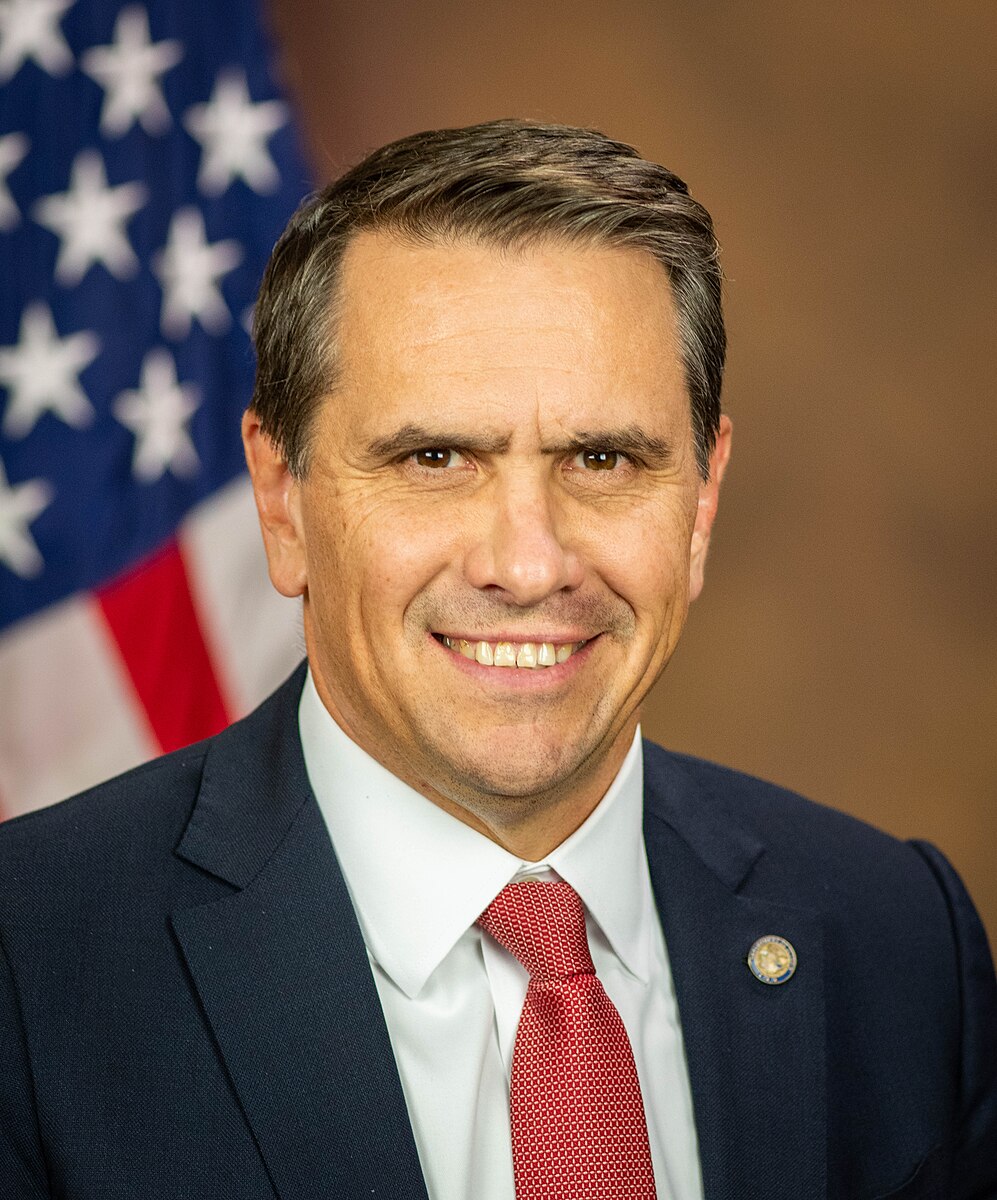
Acting U.S. Attorney General
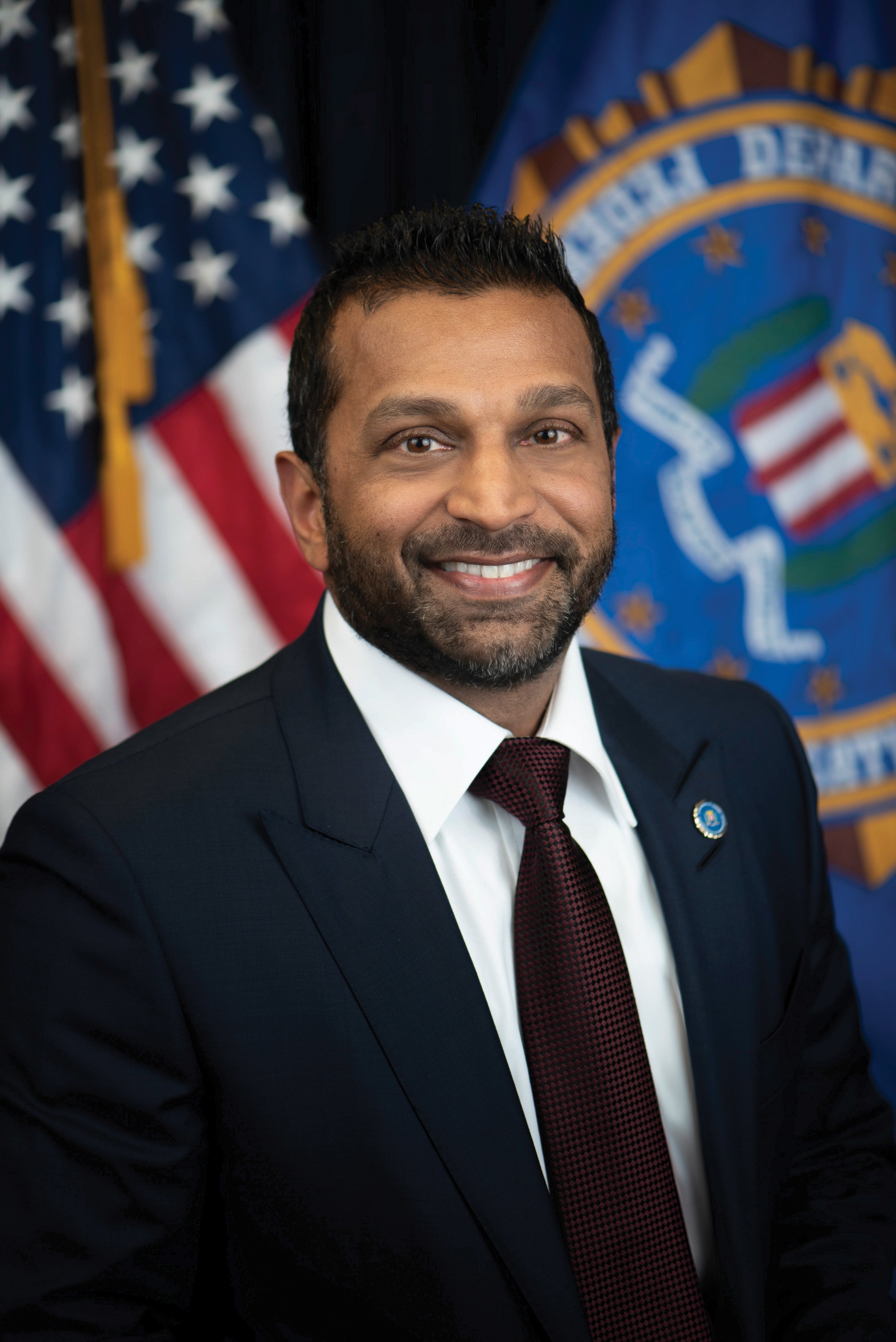
FBI Director
U.S. Representative (R-Ohio); Chair, House Select Subcommittee on the Coronavirus Pandemic
U.S. District Judge, District of Maryland (Obama appointee)
Assistant U.S. Attorneys, District of Maryland
U.S. Representative (R-Ky.); former chair, House Oversight Committee
civic action
Contact Senate Judiciary Committee about DOJ independence
Federal prosecutors have significant discretion in deciding which cases to bring. This prosecution raises questions about whether the DOJ is using criminal charges selectively to target political opponents. Senators on the Judiciary Committee have oversight authority over the Justice Department and can demand explanations about prosecutorial decisions.
I'm writing to express concern about the prosecution of Dr. David Morens. While the documentary evidence of email deletion appears strong, I want to ensure the DOJ isn't selectively prosecuting COVID-era officials based on political affiliation. Can you provide information about: (1) How many COVID-era officials from both administrations have been prosecuted for similar records violations? (2) What criteria guide DOJ decisions to criminally prosecute versus pursue administrative action? (3) Has your committee conducted oversight of this specific case?
direct disclosure
File FOIA request for Morens' communications with NIH
Freedom of Information Act requests let citizens obtain government documents. The Morens case hinges on allegations about hidden emails. Requesting actual communications from NIH can help you understand what was allegedly concealed.
I'm requesting all email communications between Dr. David Morens and Dr. Peter Daszak from April 2020 through December 2022, including those sent through personal Gmail accounts. Please provide these under FOIA within 20 business days.
electoral accountability
Track congressional oversight hearings and trial timeline
The Morens prosecution could expose how courts interpret federal records law. Tracking court filings and congressional hearings keeps you informed about how law enforcement and oversight branches balance COVID investigation with prosecutorial restraint.
I want to understand how this prosecution unfolds. I'm monitoring: (1) Trial date in U.S. District Court, District of Maryland; (2) Congressional hearing schedule from Senate Judiciary Committee; (3) Appellate decisions if verdict is appealed; (4) Administrative decisions about other COVID officials.