March 4, 2026
DOJ rescinds no-knock warrant limits and lets political appointees go to fundraisers
Blanche widens the door to no-knock raids as Bondi reopens DOJ to partisan fundraisers
⚖️Justice📜Constitutional Law✊Civil Rights
March 4, 2026
Blanche widens the door to no-knock raids as Bondi reopens DOJ to partisan fundraisers
On March 4, 2026, Deputy Attorney General  Todd Blanche signed a memo rescinding the Biden administration policy limiting use of no-knock warrants by federal law enforcement — a policy that Attorney General Merrick Garland had enacted in 2022 in direct response to the death of Breonna Taylor. Taylor was a 26-year-old Black woman shot by Louisville police in March 2020 when they executed a no-knock warrant at her apartment looking for her former boyfriend. No drugs were found at her home. Taylor's death, along with the killings of George Floyd and others, drove the national reckoning with police use of force that produced Biden-era federal policy. Blanche's memo replaced the policy requirement that agents exhaust all alternatives before seeking a no-knock warrant with a more permissive standard allowing no-knock entries when an agent believes there is a risk of evidence destruction. Former federal prosecutors interviewed by Washington Post said the new standard is so broad it could justify no-knock entry in nearly any search involving drugs, digital devices, or financial records.
On the same day, Attorney General  Pam Bondi signed a separate memo rescinding Garland's prohibition on DOJ officials attending partisan political events. Garland had enacted that restriction to prevent the appearance that federal prosecutorial authority was being wielded as a political weapon. The two memos together — eliminating physical use-of-force constraints and removing political event restrictions — were Trump DOJ's clearest structural signal yet about how it intended to operate. Blanche's prior role as Trump's personal defense attorney gave the no-knock rescission specific additional edge: the official who had fought to keep Trump out of federal prison was now dismantling federal constraints on how law enforcement uses force. Rep.
  Jasmine Crockett (D-TX) told reporters: 'Breonna Taylor died because police had no-knock authority. Now they bringing it back. This is a message. It not policy. It a message about whose lives matter.'
The legal architecture of no-knock warrant authority sits at the intersection of the Fourth Amendment, Federal Rules of Criminal Procedure, and department-level policy. The Fourth Amendment requires warrants to be supported by probable cause and to describe specifically the place to be searched and persons or things to be seized. It does not require police to knock before entering — that is a common law right modified by statute — and the Supreme Court's 2006 Hudson v. Michigan decision held that evidence obtained in violation of the knock-and-announce rule is not automatically suppressed. The Biden-era policy was never codified in statute, purely a DOJ policy directive, which means it could be reversed overnight — which it was. Advocates for the George Floyd Justice in Policing Act, which included a federal no-knock ban that passed the House in 2021 but died in the Senate, immediately renewed calls for legislation after Blanche's memo showed how quickly administrative protections can evaporate.
The partisan event restriction rescission drew less immediate public attention than the no-knock reversal but may have longer-term institutional consequences. Garland's prohibition was designed to ensure that DOJ officials were not physically present at campaign events in ways that created the appearance of partisan coordination — the kind of coordination that became the subject of the post-Watergate consent decree known as the Levi Guidelines, which governed DOJ political activity for decades. Bondi's rescission removed the formal policy barrier. Combined with the Trump administration's documented pattern of directing DOJ prosecutorial decisions toward political opponents, the removal of the partisan event restriction was another brick pulled from the remaining institutional wall between the Department of Justice and the political campaign apparatus.
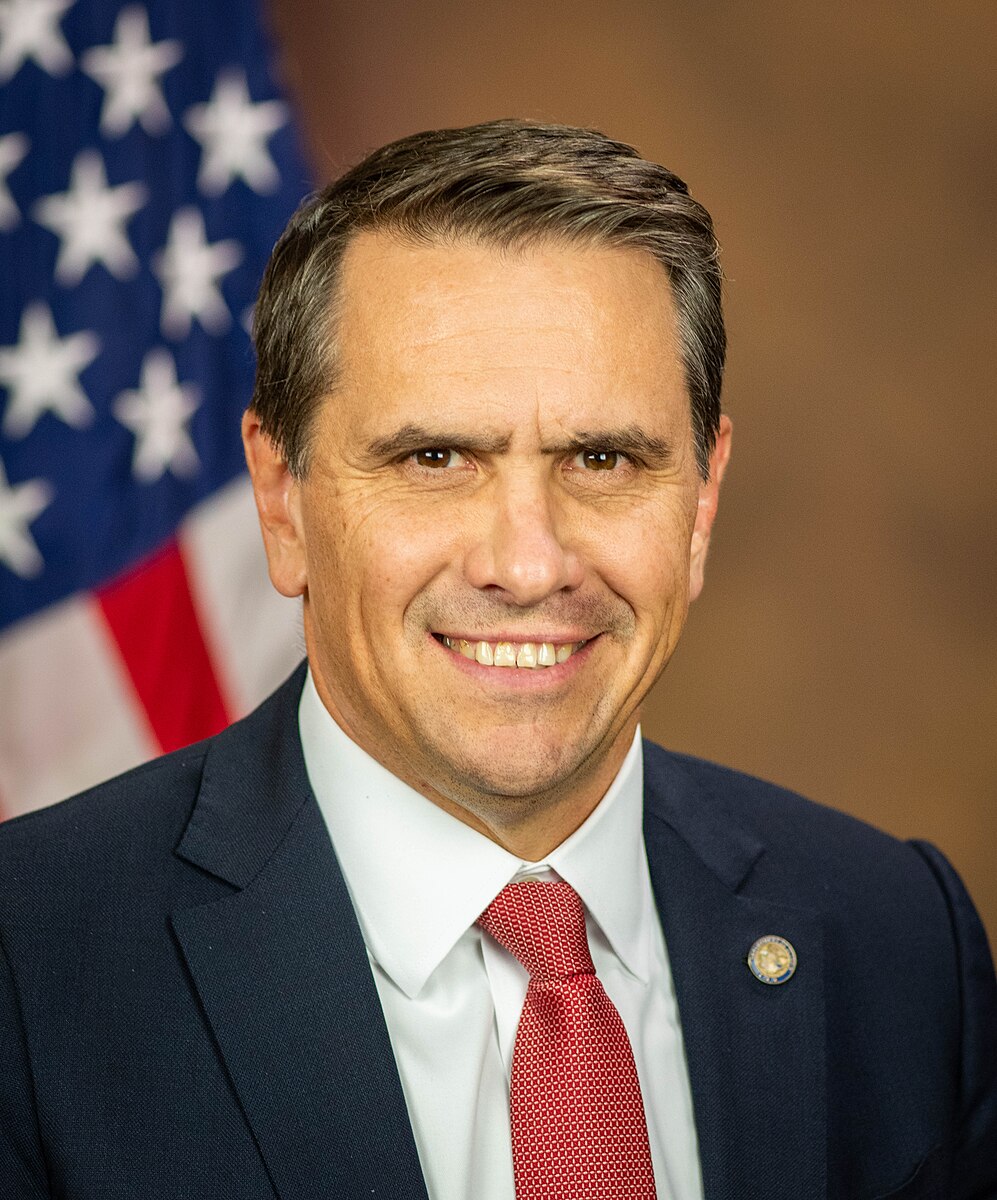
U.S. Deputy Attorney General; former personal defense attorney for Donald Trump
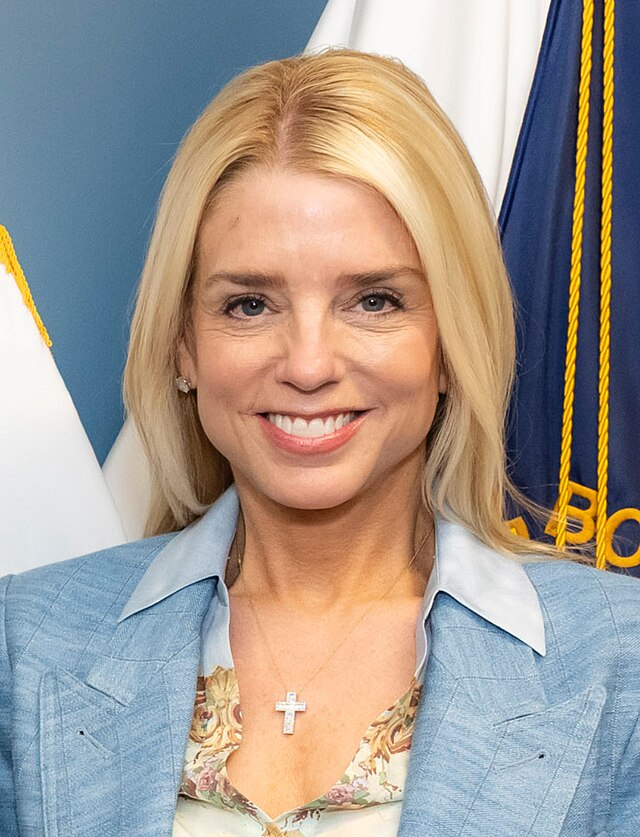
U.S. Attorney General
Former U.S. Attorney General (Biden administration)
Victim of 2020 Louisville no-knock police raid; killed March 13, 2020

U.S. Representative (D-TX-30), representing Dallas County; member, House Judiciary Committee
Former President and Director-Counsel, NAACP Legal Defense Fund
Former Louisville Metro Police officer; convicted in connection with Taylor death
Civil liberties organization; issued immediate response to no-knock rescission
Former federal prosecutors who analyzed new risk of evidence destruction standard
Congressional coalition and advocacy organizations that passed House legislation in 2021
civic action
Contact your representative to support federal no-knock reform legislation
The DOJ can reverse its own policy by memo, but Congress can pass a law requiring warrant standards that agencies can't unilaterally rescind. The George Floyd Justice in Policing Act included a federal no-knock warrant ban. Constituent pressure can revive that conversation.
Hello, I am [NAME], a constituent from [CITY/STATE]. I'm calling about the DOJ's reversal of the no-knock warrant policy.
Key concerns:
Questions to ask:
Specific request: I am asking Representative [NAME] to co-sponsor or support a bill requiring judicial approval and 'imminent danger' findings before any federal agency may execute a no-knock entry.
Question: What is Representative [NAME]'s position on federal no-knock warrant standards?
Thank you.
research
Review the Hatch Act rules governing DOJ political appointees
The Office of Special Counsel enforces the Hatch Act, which limits political activity by federal employees. Understanding the gap between what the Hatch Act requires and what Garland's additional restrictions prohibited helps citizens understand what changed — and why the DOJ's own self-imposed ethics standards matter separately from the law.
research
Track DOJ policy memos through the DOJ's attorney general memoranda library
The DOJ publishes its attorney general and deputy attorney general policy memos publicly. Tracking which memos have been issued, revised, or rescinded gives citizens a real-time view of how the department's operating policies are changing — without waiting for legislation or court rulings.