National Security · Constitutional Law · Foreign Policy·April 5, 2026
CIA deception operation fooled Iran and rescued both F-15E crew members from hostile territory
One pilot hid in a mountain crevice for 24 hours before extraction. The other was recovered the same day

Photo: Washington Post Photo Staffsource ↗
The second crew member of the U.S. Air Force F-15E Strike Eagle shot down over southwestern Iran on April 3, 2026 was rescued on April 4-5, ending a 24-hour operation that involved a CIA deception campaign, a 7,000-foot mountain climb, and a high-risk military extraction under fire. The weapons systems officer, a colonel assigned to the 494th Fighter Squadron at RAF Lakenheath in England, ejected after the aircraft was struck and survived by hiking to a mountain ridgeline and hiding in a crevice to avoid Iranian search parties. The CIA launched a disinformation operation inside Iran, spreading false signals that both crew members had already been recovered, which confused Iranian forces long enough for U.S. special operations teams to reach the airman's position.
The rescue required dozens of U.S. aircraft and included U.S. forces bombing Iranian military convoys that approached the airman's hiding position. Two rescue helicopters were struck by Iranian fire during the operation and returned damaged to base. The United States also destroyed four helicopters and two aircraft to prevent them from falling into Iranian hands. President 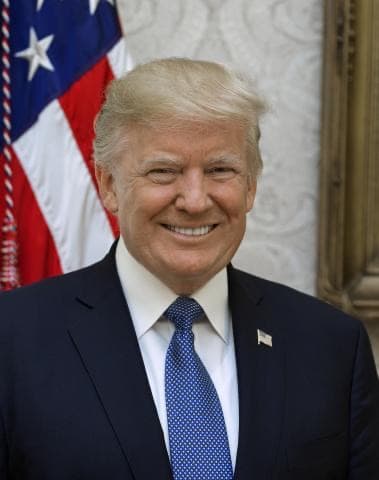 Trump announced the rescue at 12:08 a.m. April 5 with a Truth Social post reading "WE GOT HIM!" The rescue of both crew members was the first successful combat rescue behind enemy lines on Iranian soil, and the first major U.S. 📖personnel recovery operation since Operation Eagle Claw, the failed 1980 Iran hostage rescue.
Key facts
An F-15E Strike Eagle assigned to the 494th Fighter Squadron, 48th Fighter Wing, at Royal Air Force Lakenheath in England was shot down by Iranian air defenses over southwestern Iran on April 3, 2026, Day 35 of Operation Epic Fury . The pilot was rescued within hours of the crash. The weapons systems officer (WSO), a colonel, ejected and survived by climbing a 7,000-foot mountain ridgeline and hiding in a crevice to avoid Iranian ground search parties. Iran posted a bounty for the crew and Iranian forces conducted an active search for more than 24 hours.
This was the first confirmed loss of a U.S. aircraft in Operation Epic Fury and the first U.S. aircraft shot down in combat since the early stages of the Iraq War in 2003 . Defense Secretary Pete Hegseth had stated on March 31 that U.S. forces had achieved "dominance of Iranian skies," a claim the shootdown directly contradicted. An A-10 Thunderbolt II was also struck by Iranian fire during the initial rescue attempt on April 3. Its pilot safely ejected in Kuwaiti airspace before the aircraft was lost, the second U.S. aircraft loss in 24 hours.
The CIA launched a deception campaign inside Iran to buy time for the rescue operation. According to reporting by Fortune and the Jerusalem Post, the Agency spread false signals through Iranian intelligence networks indicating that both F-15E crew members had already been found and recovered . The deception confused Iranian commanders about whether the missing WSO was still in the field, reducing the intensity of the search operation long enough for U.S. forces to locate the airman.
Trump credited CIA Director  John Ratcliffe's agency with the operation's success. "The CIA used its unique, exquisite capabilities to search for and find the American," Trump wrote on Truth Social. The operation required close coordination between the CIA, Joint Special Operations Command (JSOC), and U.S. Air Force assets. Delta Force and Navy SEAL Team Six were among the hundreds of special operations troops involved .
The extraction required dozens of aircraft and significant combat action on Iranian soil. U.S. forces dropped bombs on Iranian military convoys that approached the mountain position where the colonel was hiding . Two search-and-rescue helicopters were struck by Iranian ground fire during the operation. Both returned to base damaged but with their crews alive. The United States destroyed two additional aircraft and four helicopters to prevent the equipment from falling into Iranian custody.
The WSO was recovered with a sprained ankle and described as "seriously wounded" by a U.S. official, though he was alive and stable. The Pentagon has not publicly disclosed the specific units involved or the total cost of the operation . Trump's 12:08 a.m. April 5 post announcing the rescue was the first public confirmation that the operation had succeeded.
The Third Geneva Convention protects captured enemy combatants, including aircrew who eject and are taken prisoner . Iran's offer of a bounty for the F-15E crew member, reported by The Daily Beast, would constitute a violation of the Third Geneva Convention's prohibition against placing captured or potentially captured personnel in a position of danger. The U.S. government did not formally accuse Iran of a Geneva Convention violation over the bounty, since the crew member was never actually captured.
The successful rescue eliminated what would have been a major escalatory factor. A captured U.S. service member in Iranian custody would have given Iran significant diplomatic leverage and created new constitutional questions about the president's authority to negotiate a prisoner exchange without Senate approval.
The rescue was the first successful combat 📖personnel recovery operation on Iranian soil and the first major test of U.S. combat search and rescue capabilities in a high-threat environment since the early Afghanistan and Iraq campaigns . The failed Operation Eagle Claw, the April 1980 attempt to rescue 52 American hostages held at the U.S. Embassy in Tehran, remains the most prominent prior U.S. military operation inside Iran. That mission failed when three of eight helicopters malfunctioned in a desert sandstorm. Eight U.S. service members died in a collision during the abort.
The April 2026 rescue drew comparisons to the 2011 Bin Laden raid in terms of its intelligence-driven precision and risk level. Military analysts noted that the CIA's ability to run a deception campaign inside Iran suggested a deeper intelligence presence than Iran's government had assumed .
Hegseth declared on March 31, 2026 that U.S. forces had achieved dominance of Iranian skies. The F-15E Strike Eagle is one of the most capable multirole strike aircraft in the U.S. inventory. Its loss to Iranian air defenses on April 3 — three days after Hegseth's statement — exposed a gap between that characterization and operational conditions over southwestern Iran . The Pentagon didn't publicly address the discrepancy between the March 31 claim and the April 3 shootdown. Hegseth also didn't publicly disclose what targeting review process would govern any threatened strikes against Iranian power plants and bridges.
Related
Categories that may be relevant to you
5 topics available
May 23, 2026
DOJ scrubs hundreds of Jan. 6 prosecution records from website
🔍
May 22, 2026
FTC fines Cox Media Group $930K for fake AI listening ad service
May 22, 2026
Colorado closes legal gap for defendants found unfit to stand trial
May 22, 2026
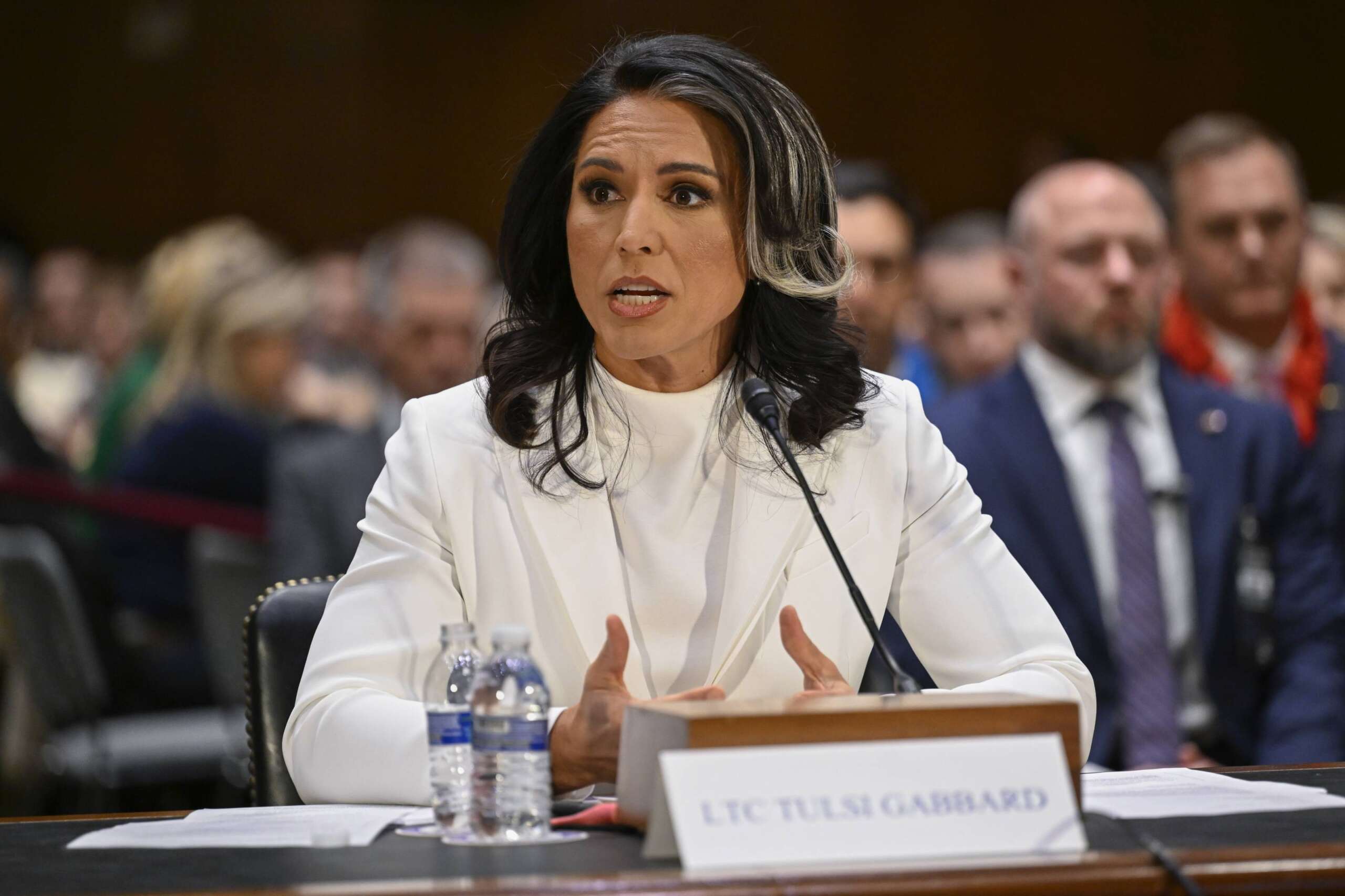
Gabbard resigns as director of national intelligence
🏫
May 22, 2026
Tennessee governor signs Memphis schools state takeover into law
View All Government Topics
769 topics
20 questions
Start the review