InfrastructureGovernmentLabor
November 17, 2025FAA lifts flight restrictions after 43-day shutdown caused thousands of cancellations
FAA lifts restrictions after unpaid controllers forced thousands of cancellations, but flight chaos continues

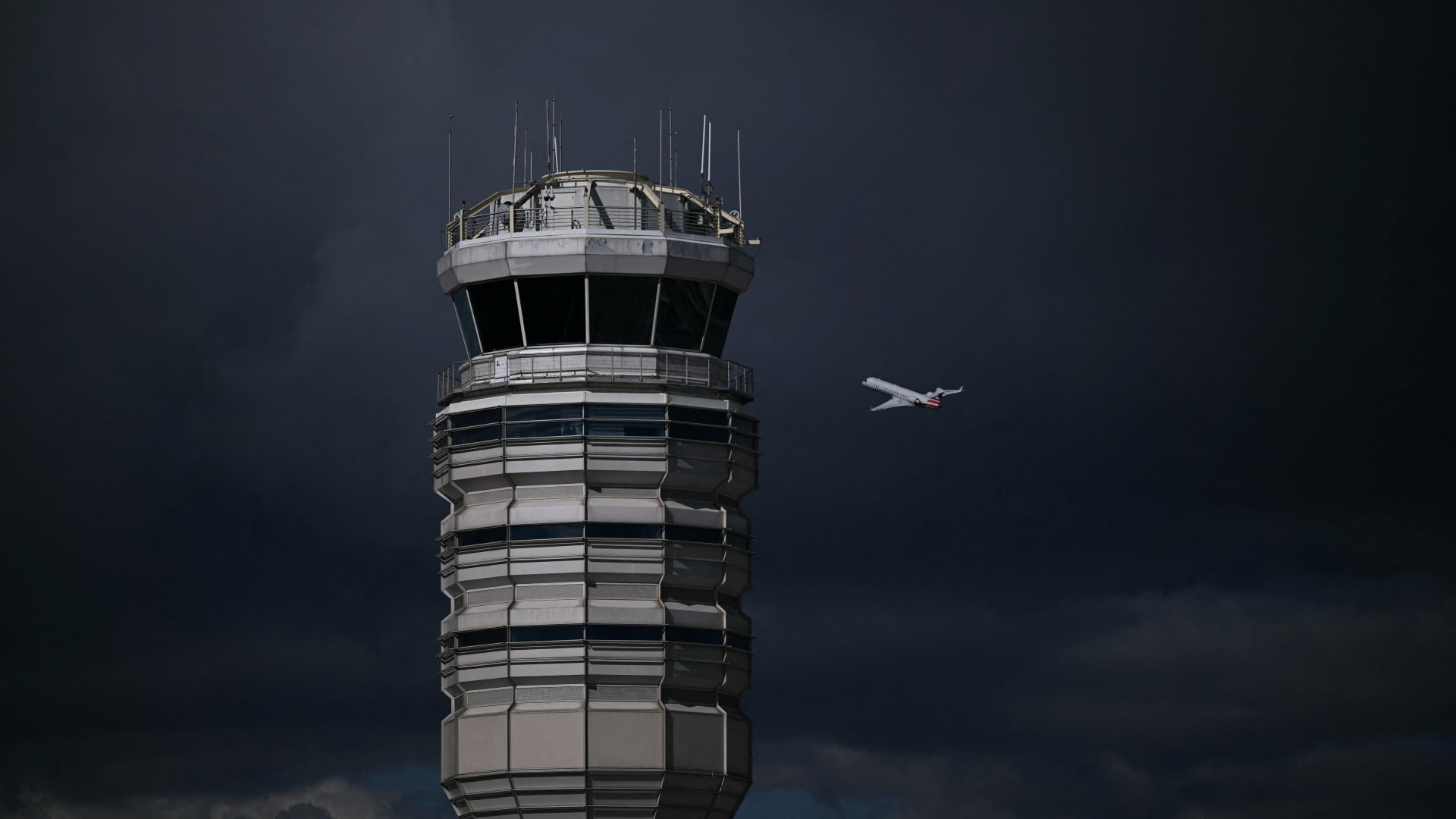
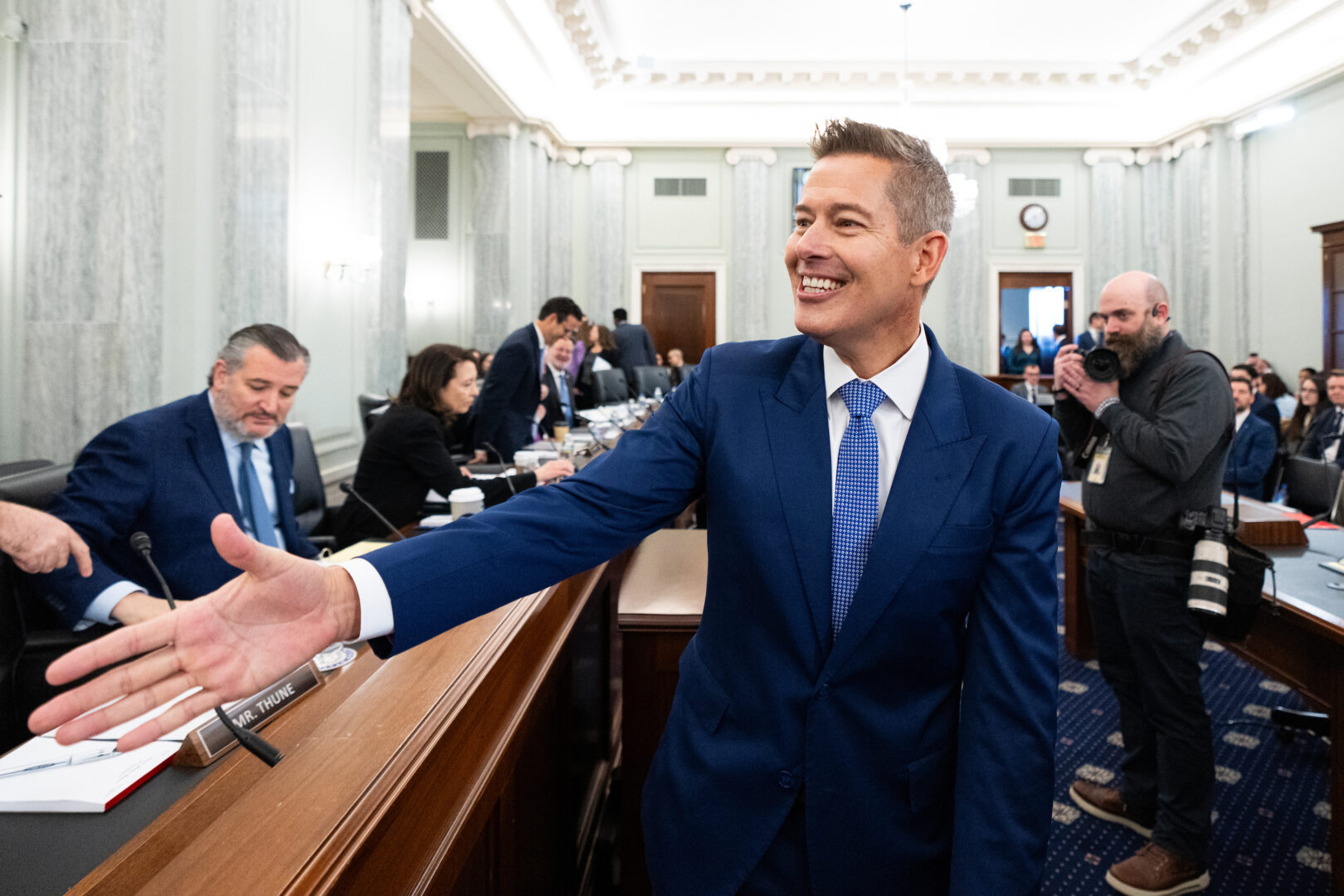
The FAA announced on Nov. 16, 2025, that all flight restrictions would be lifted at 6 a.m. on Nov. 17, ending the unprecedented order in place since Nov. 7. The restrictions affected 40 major airports including hubs in New York, Chicago, Los Angeles, and Atlanta. Transportation Secretary Sean Duffy and FAA Administrator Bryan Bedford made the joint announcement.
The 2025 government shutdown lasted 43 days (Oct. 1 - Nov. 12), making it the longest in U.S. history. It surpassed the 35-day shutdown of 2018-2019. During the shutdown, air traffic controllers were among the federal employees required to work without pay, missing two paychecks.
Flight cuts started at 4%, grew to 6%, then rolled back to 3% on Nov. 15 before being lifted entirely on Nov. 17. The FAA originally planned a 10% reduction but held off as controllers returned to work amid news Congress was close to a deal.
Peak cancellations hit 2,900 flights on Nov. 9, combining the FAA order, controller shortages, and severe weather. Over 5 million passengers were affected by staffing-related delays or cancellations during the shutdown, according to Airlines for America.
Staffing triggers—instances where available controllers fell below safe levels—dropped dramatically: from 81 on Nov. 8 to 6 on Nov. 15, 8 on Nov. 16, and just 1 on Nov. 17. At peak, some facilities had zero controllers show up for work.
By the end of the shutdown, 15-20 controllers were retiring daily and younger controllers were leaving the profession, according to Secretary Duffy. The system was already 3,000 certified controllers short before the shutdown began.
Related Topics
4
Air travel disruptions persist after the 43-day shutdown as the FAA holds flight cuts at 6%
Controllers worked 43 days without pay; the FAA kept flights cut 6% at 40 airports after reopening
FAA staffing problems quadruple as 13,294 controllers work unpaid
Shutdown-era sick calls quadruple as $31.5B NextGen upgrades stall
FAA faces budget fight as air traffic controllers remain 3,500 short
DOGE cuts and a record government shutdown accelerated a decades-long staffing crisis

Controller shortages push 61% of U.S. flights into delays as shutdown drags on
Controller absences force 61% of flights into delays as shutdown drags on
21 questions
Start the review