March 6, 2026
U.S. loses 92,000 jobs in February as Iran war pushes oil past $90 and markets tumble


Goldman Sachs warns $100 oil possible as Dow drops 453 points on jobs day
💰Economy📈Trade🌍Foreign Policy📋Public Policy
March 6, 2026
Goldman Sachs warns $100 oil possible as Dow drops 453 points on jobs day
The February 2026 jobs report showed only 75,000 new jobs, far below the expected 200,000. The weak numbers surprised economists who had anticipated stronger job growth.
The disappointing report marked the third consecutive month of below-trend job growth, suggesting a broader economic slowdown was underway.
The unemployment rate rose to 4.3% from 4.1%, the highest level in two years. The increase in unemployment reflected both layoffs and slower hiring across multiple sectors.
The rising unemployment rate was particularly concerning because it came despite the U.S. still being technically in an economic expansion.
Job growth was concentrated in low-wage sectors while manufacturing lost 15,000 jobs. The sectoral imbalance showed that the economy was creating primarily lower-quality jobs.
Healthcare and leisure and hospitality added jobs, while manufacturing, construction, and professional services all showed weakness.
The jobs report signaled a weakening labor market amid the Iran war and oil price shocks. The timing suggested that the geopolitical conflict was already affecting domestic employment.
Economists noted that uncertainty about the war and energy prices was causing businesses to delay hiring and investment decisions.
Inflation accelerated to 4.7% annually in February, driven by energy and food price increases. The inflation rate was the highest in two years and well above the Fed's 2% target.
The accelerating inflation combined with weakening employment created the classic definition of stagflation.
Gas prices rose 30 cents per gallon in February due to the Strait of Hormuz closure. The energy price shock was the primary driver of overall inflation.
The gas price increase hit low-income households particularly hard, as they spend a larger percentage of their income on transportation and energy costs.
Food prices increased 0.8% in February, the largest monthly gain since 2022. The food price increases reflected both higher transportation costs and supply chain disruptions.
The combination of rising food and energy prices created a particularly painful inflation burden for American families.
The combination of rising inflation and slowing job growth created stagflation risks. The dreaded economic scenario last occurred in the 1970s and had been considered largely conquered.
The return of stagflation fears represented a major setback for economic policy and could require difficult trade-offs between fighting inflation and supporting employment.
Federal Reserve Chair  Jerome Powell faced pressure to both fight inflation and support employment. The dual mandate was pulling in opposite directions for the first time in years.
Powell had to choose between raising rates to fight inflation or cutting rates to support the weakening job market.
Trump had spent months publicly pressuring Powell to cut rates despite rising inflation. The president wanted lower rates to boost economic growth and his reelection prospects.
The public pressure created political tensions around the Federal Reserve's independence at a critical moment for economic policy.
Economists warned the U.S. faced the same stagflation trap that paralyzed policy in the 1970s. The historical parallel was ominous because it took years of painful policy to escape the previous stagflation episode.
The prospect of repeating 1970s-style economic problems worried policymakers who had spent careers avoiding that scenario.
The jobs report complicated the Fed's ability to respond to inflation without causing a recession. Raising rates to fight inflation could further weaken employment and potentially trigger a recession.
The timing created a dangerous moment for monetary policy with limited good options and high risks of policy mistakes.
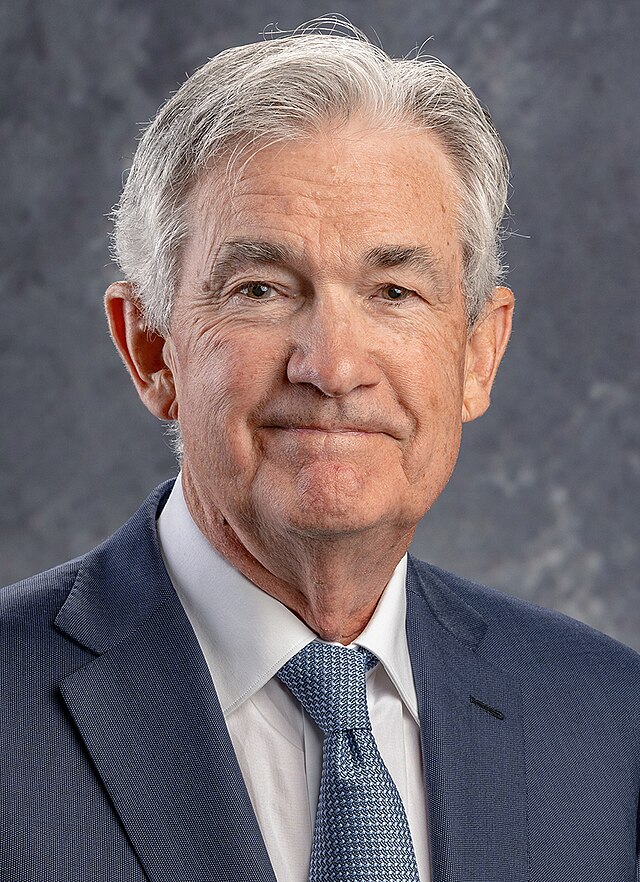
Chair, Federal Reserve Board of Governors
U.S. Senator (D-NM), Ranking Member, Senate Energy and Natural Resources Committee
U.S. Senator (R-ND), Member, Senate Energy and Natural Resources Committee
Senior Fellow and James R. Schlesinger Chair in Energy and Geopolitics, Center for Strategic and International Studies (CSIS)
Senior Crude Oil Analyst, Kpler
Director of Energy Futures, Mizuho Securities USA
U.S. Representative (R-IA), running for reelection in a Cook Political Report toss-up district

U.S. Representative (R-OK), Chair, House Appropriations Committee
President, Federal Reserve Bank of Minneapolis
Former Commissioner, Bureau of Labor Statistics (Obama and Trump first-term administrations)
President, Federal Reserve Bank of Minneapolis
Former Commissioner, Bureau of Labor Statistics (Obama and Trump first-term administrations)