Fed holds at 3.5–3.75% with 4 dissents, most since October 1992
Powell's likely final meeting ends with Iran war inflation and rate split
Powell's likely final meeting ends with Iran war inflation and rate split
The FOMC voted 8-4 to hold the benchmark federal funds rate in its current range of 3.5% to 3.75% at the April 29 meeting. This was the third consecutive meeting at which the committee held rates steady, following three successive quarter-point cuts in September, October, and December 2025. The last time four FOMC members dissented at a single meeting was October 6, 1992, making the April 2026 result the most divided FOMC vote in more than three decades.
The eight members voting to hold rates steady and retain the easing bias statement were Powell, Vice Chair John Williams, Governors Michael Barr, Michelle Bowman, Lisa Cook, Philip Jefferson, Anna Paulson, and Christopher Waller. The four dissents were split: Miran wanted to cut rates by 25 basis points, while Hammack, Kashkari, and Logan wanted to hold rates but remove the 'easing bias' language from the policy statement.
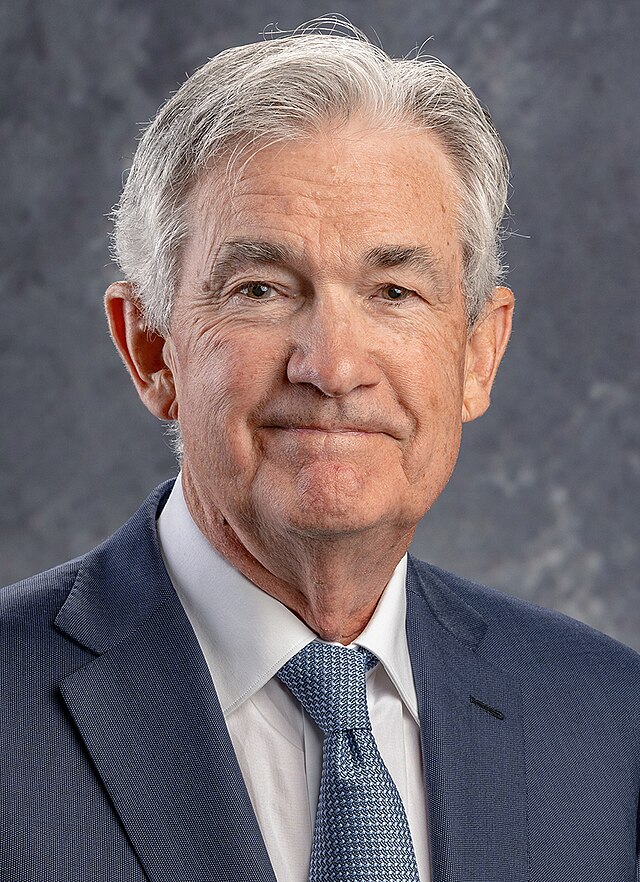
Chair, Federal Reserve Board of Governors (term as chair ends May 15, 2026)
Powell chaired what was expected to be his final FOMC meeting as chair on April 29, presiding over the most divided FOMC vote since 1992. He voted with the majority to hold rates and retain the easing bias. He announced after the meeting he would remain on the Board of Governors after his chairmanship ends, citing institutional continuity and the ongoing inspector general investigation. His tenure was marked by aggressive pandemic response, post-pandemic inflation management, and sustained pressure from President Trump.
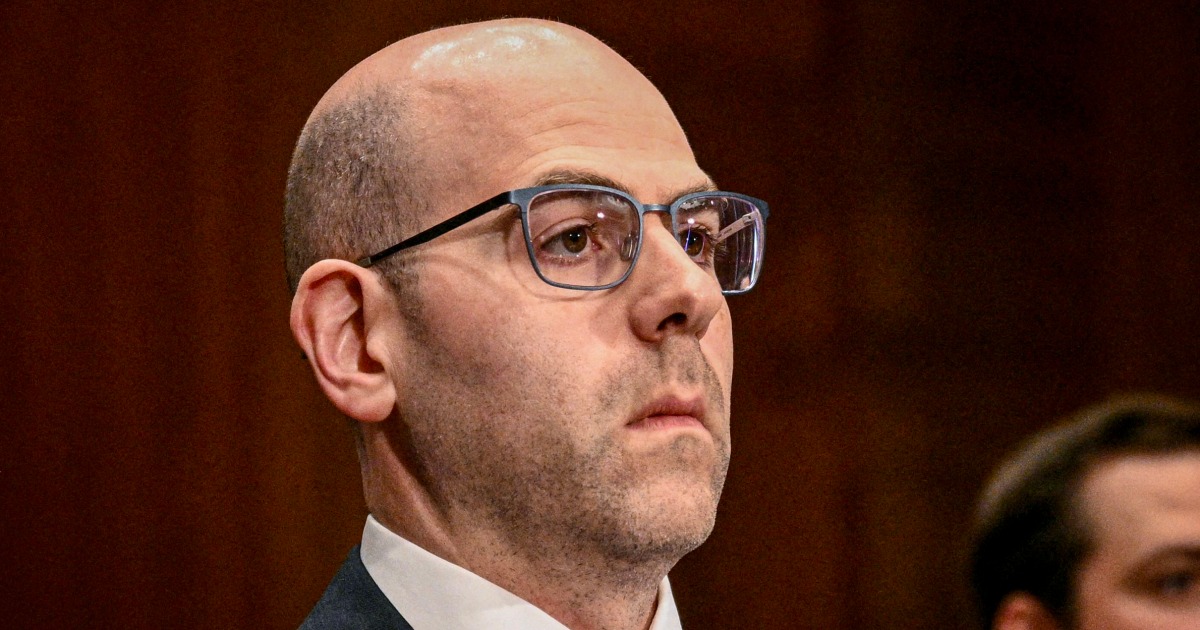
Governor, Federal Reserve Board of Governors (September 2025–present)
Miran dissented in favor of a quarter-point rate cut for the sixth consecutive meeting since joining the Fed in September 2025. He came directly from serving as chair of the White House Council of Economic Advisers. His consistent rate-cut dissents aligned with Trump's public demands. His Fed board seat is expected to be taken by Kevin Warsh once confirmed, as Miran's term expires.
President and CEO, Federal Reserve Bank of Cleveland
Hammack was one of three regional presidents who dissented against the inclusion of an easing bias in the FOMC statement, joining with Kashkari and Logan. She has been vocal about concerns that inflation is 'running too hot' to signal a future rate-cutting posture, particularly given energy price increases driven by the Iran war. She voted to hold rates steady but wanted the statement to take a neutral stance rather than lean toward future cuts.
President and CEO, Federal Reserve Bank of Minneapolis
Kashkari joined Hammack and Logan in dissenting against the easing bias language, reflecting hawkish concerns about persistent inflation. He has a voting rotation that makes his dissent particularly visible. Kashkari has been one of the more vocal Fed regional presidents on inflation risk, and his joining the easing-bias dissent was described by analysts as 'unexpected.'
President and CEO, Federal Reserve Bank of Dallas
Logan dissented alongside Hammack and Kashkari against the easing bias in the FOMC statement, arguing the language was inappropriate given elevated inflation and the uncertainty created by the Iran war. She has been vocal about the risks of communicating a rate-cutting bias before inflation is convincingly on a downward path. Her dissent reflected regional economic conditions in Dallas, which is more exposed to energy sector volatility.
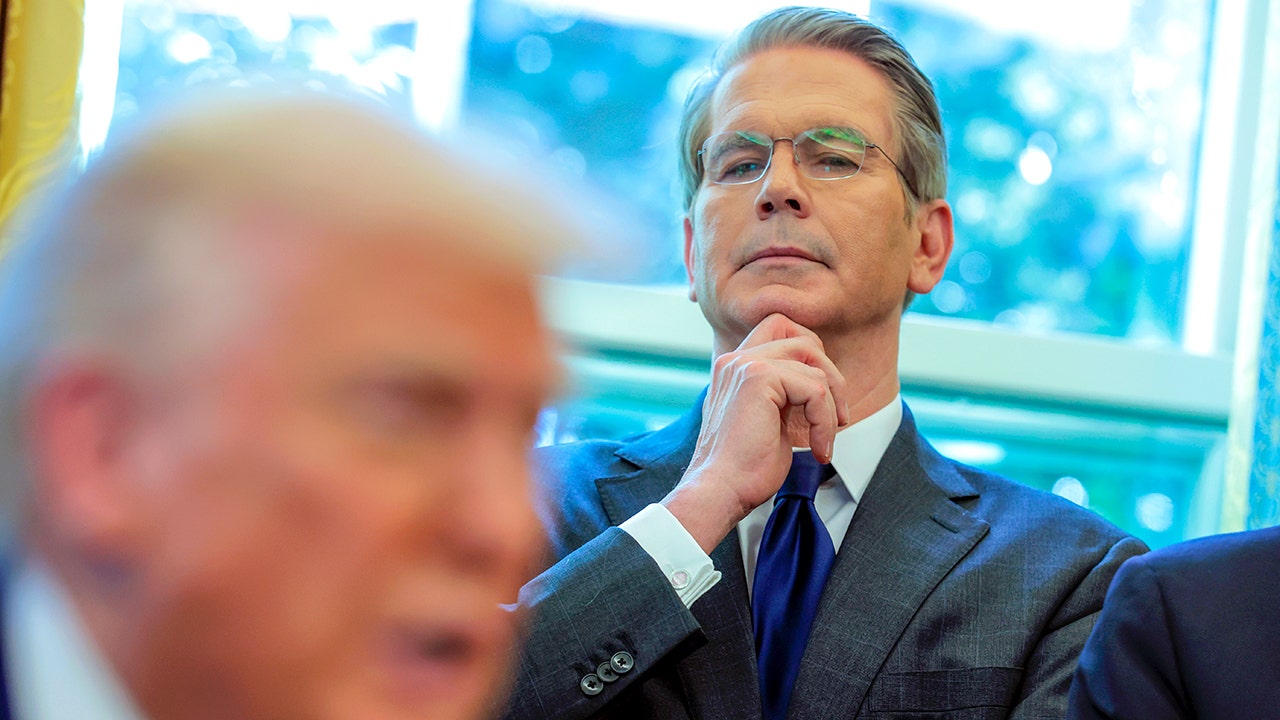
Nominated Fed Chair; former Fed Governor (2006-2011); Managing Director, Warsh Capital
The Senate Banking Committee voted 13-11 on April 29 to advance Warsh's nomination to replace Powell. Warsh was previously confirmed unanimously as a Fed governor in 2006. At his April 21 hearing, he said he would act independently and called himself not Trump's 'sock puppet,' while also expressing support for lower interest rates and what he called a 'policy regime change' at the Fed. His full Senate confirmation vote was expected as early as May 11.
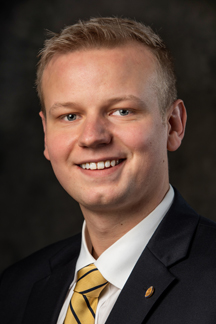
Vice Chair, Federal Reserve; President and CEO, Federal Reserve Bank of New York
Williams voted with the majority to hold rates and retain the easing bias, providing institutional continuity and alignment with Powell's position. As permanent voter and President of the New York Fed — the most influential regional bank — his vote carried significant weight. His alignment with the majority underscored that the core leadership of the Fed remained committed to a cautious easing posture despite the hawkish dissents.
U.S. Senator (D-MA), Ranking Member, Senate Banking Committee
Warren led Democratic opposition to Warsh's nomination in the Senate Banking Committee, using the term 'sock puppet' to characterize concerns that Warsh would simply implement Trump's rate preferences rather than act independently. She questioned Warsh's commitment to Fed independence during his April 21 confirmation hearing. All 11 Democratic members of the Banking Committee voted against Warsh's nomination.
True
The FOMC voted 8-4, the most dissents since October 1992
Multiple sources including CNBC and Reuters confirm the 8-4 vote and cite October 6, 1992 as the last time four FOMC members dissented at a single meeting. [1][2]
True
Stephen Miran voted for a rate cut at every meeting since joining the Fed
Reuters confirmed that April 29 was Miran's sixth consecutive dissent in favor of a rate cut since joining the Fed in September 2025. His consistent dissents aligned with Trump's publicly stated interest rate preferences. [1][2]
True
Jerome Powell's term as Fed chair ends May 15, 2026
Multiple sources confirm Powell's term as chair expires May 15, 2026. His term as a governor on the Board runs until January 31, 2028, and he announced plans to remain as a governor after his chairmanship ends. [1][2]
True
U.S. gas prices hit $4.23 per gallon on April 29
Notus reported that U.S. gas prices hit $4.23 per gallon on April 29, a record high for 2026, after Trump's Axios interview comments about maintaining the naval blockade of Iran sent oil prices up more than 6%. [1]
Sources
True
Kevin Warsh was advanced by the Senate Banking Committee 13-11
AP News and Al Jazeera confirm the 13-11 party-line vote in the Senate Banking Committee, with all 13 Republicans supporting and all 11 Democrats opposing Warsh's nomination. [1][2]
False
Hammack, Kashkari, and Logan opposed holding rates steady
Hammack, Kashkari, and Logan voted to hold rates steady. They dissented specifically against the inclusion of an 'easing bias' in the policy statement — the language signaling potential future rate cuts. They supported the rate decision itself but opposed the forward guidance language. [1][2]
Disputed
The Federal Reserve is independent of presidential control
The Federal Reserve was designed to operate independently of political pressure on its monetary policy decisions. In practice, the president appoints Fed governors and the chair, giving the executive branch significant long-term influence over the institution's composition. Trump explicitly sought lower interest rates, appointed Miran (a rate-cut dissenter), and nominated Warsh. The question of whether the Fed's statutory independence translates to actual operational independence is currently contested in courts and Congress. [1][2]
Contact your senators about Kevin Warsh's Federal Reserve confirmation
civic action
Warsh's nomination now moves to the full Senate for a confirmation vote that could occur as early as May 11. The Fed chair leads the institution responsible for setting interest rates, regulating major banks, and maintaining financial stability. Citizens who have views on Fed independence, interest rate policy, or the economic impacts of the Iran war can contact their senators before the vote.
Monitor Federal Reserve meeting minutes and statements for economic context
civic awareness
The Federal Reserve publishes detailed meeting minutes three weeks after each FOMC meeting, along with quarterly economic projections. Reading these documents helps citizens understand the economic reasoning behind interest rate decisions that affect mortgages, auto loans, credit cards, and savings accounts.
Track how the Iran war is affecting your local gas prices and cost of living
civic awareness
The Federal Reserve cited Iran war-driven energy prices as a key inflation factor in its April 2026 statement. Gas prices at $4.23 per gallon affect household budgets, transportation costs, and inflation broadly. Tracking these changes and connecting them to monetary policy decisions builds practical understanding of how global events affect everyday financial decisions.