Immigration · Justice·January 26, 2026
Federal judge hears arguments to halt Minnesota immigration surge after fatal shootings
Judge weighs whether to halt 3,000-agent operation after two fatal shootings

U.S
District Judge Katherine Menendez heard arguments Monday, Jan. 26, 2026 on whether to grant Minnesota, Minneapolis, and St. Paul's request for a temporary restraining order (TRO) to halt Operation Metro Surge
Minnesota had originally sued DHS on Jan. 11, 2026, five days after ICE agent fatally shot Renee Good Saturday's killing of ICE nurse Alex Pretti on Jan. 25 by Border Patrol officer triggered expanded legal arguments Minnesota Attorney General Keith Ellison personally attended Monday's hearing and stated the surge represents the unprecedented nature of this surge and a novel abuse of the Constitution.
The lawsuit names the Department of Homeland Security as defendant and asks Judge Menendez to order a reduction in federal law enforcement officers and agents in Minnesota back to levels before Dec. 1, 2025, when Trump administration launched Operation Metro Surge. Minnesota and the cities want the judge to limit the scope of enforcement operations to specific categories and prohibit warrantless entries, racial profiling, and detention of people without immigration violations. Justice Department attorneys argued the lawsuit is legally frivolous and told the judge to reject it or stay her order pending appeal.
During oral arguments, DOJ attorney Brantley Mayers stated at least 2,000 ICE officers and at least 1,000 Border Patrol officers are deployed in Minnesota as part of Operation Metro Surge
Mayers said he would provide exact numbers later
This means at least 3,000 federal agents are operating in Minnesota for immigration enforcement Minnesota Assistant Attorney General Brian Carter told the judge: If this is not stopped right here, right now, I don't think anybody who is seriously looking at this problem can have much faith in how our republic is going to go in the future.
Judge Menendez expressed skepticism about the Trump administration's motivations
She questioned a recent letter from Attorney General Pam Bondi to Gov. Tim Walz that demanded the state provide voter rolls, Medicaid records, food assistance records (SNAP), and repeal sanctuary policies
Menendez implied these demands went beyond immigration enforcement and suggested political motivation She said the case is a priority but issued no immediate ruling, indicating a written opinion would follow.
Nineteen states plus Washington D.C., led by California, filed a friend-of-the-court brief supporting Minnesota. The brief stated: If left unchecked, the federal government will no doubt be emboldened to continue its unlawful conduct in Minnesota and to repeat it elsewhere. This demonstrates that federal immigration enforcement operations in one state create precedent affecting other states' legal strategies.
In a separate case, U.S
District Judge Eric Tostrud issued an order late Saturday (Jan. 25) blocking the Trump administration from destroying or altering evidence related to Pretti's killing
Minnesota AG Ellison requested the order to preserve body camera footage and other evidence collected by federal agents This raises concerns about evidence destruction during ongoing federal operations.
Judge Menendez previously ruled on Jan. 16, 2026 in a separate case (ACLU v
DHS) that federal officers cannot detain or tear gas peaceful protesters who are not obstructing authorities, including people who follow and observe agents
The Eighth Circuit Court of Appeals temporarily suspended that ruling three days before Pretti's killing ACLU asked the appeals court to lift the stay following Pretti's death.
The case has national implications for federal enforcement operations
States considering similar lawsuits are watching Minnesota's case
Minnesota has precedent for challenging federal immigration enforcement from the 2017 Trump administration The outcome will determine whether states have legal standing to challenge concentrated federal enforcement operations and whether judges will halt such operations pending trial.
Related Topics
6
Minnesota and Illinois sue Trump over ICE enforcement
Federal raids force Minneapolis to spend $2M in overtime as states challenge constitutionality
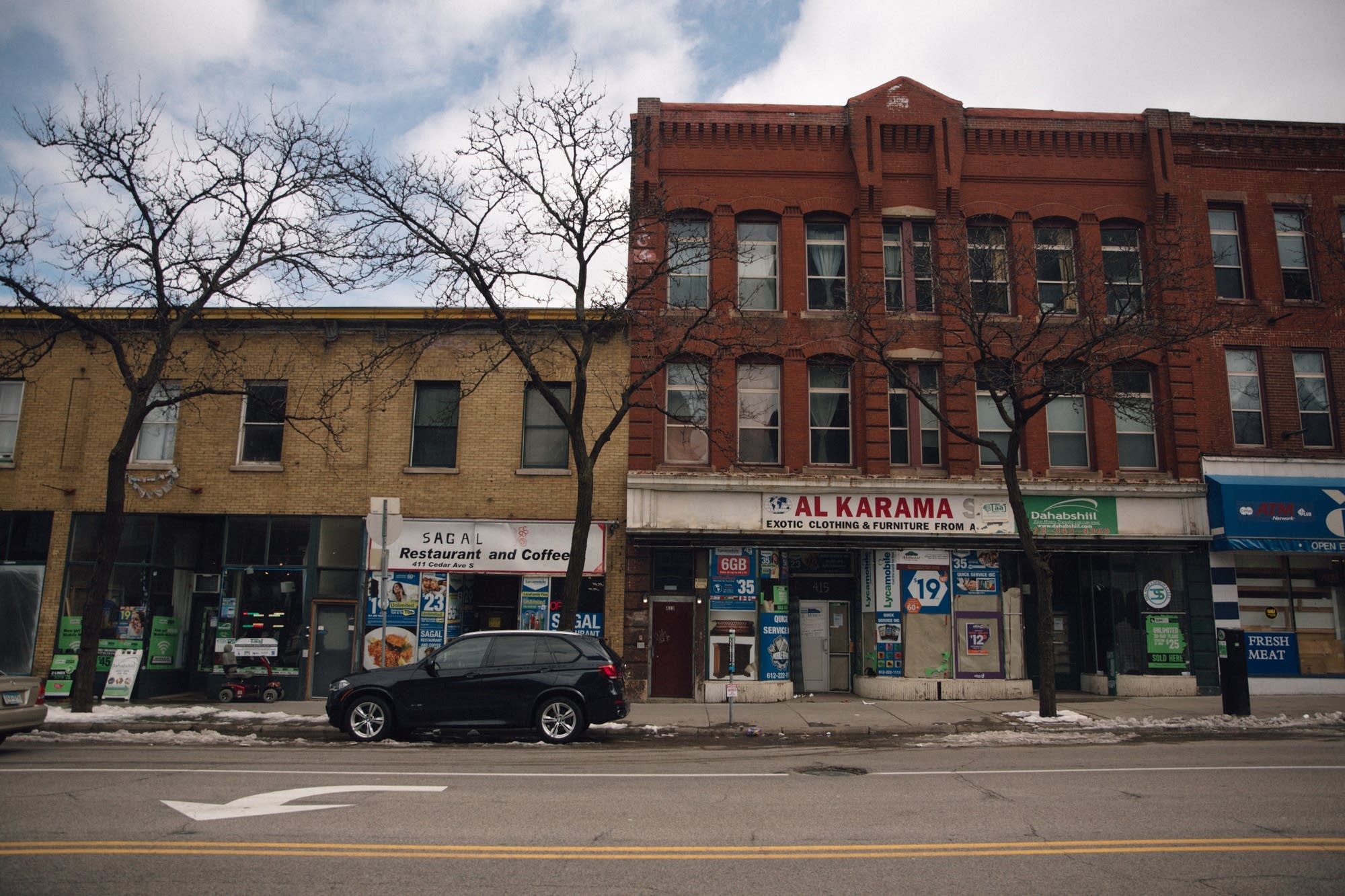
ICE launches 'largest operation ever' targeting Minneapolis Somali community
Trump calls Somalis garbage, 2,000 agents deploy to Twin Cities
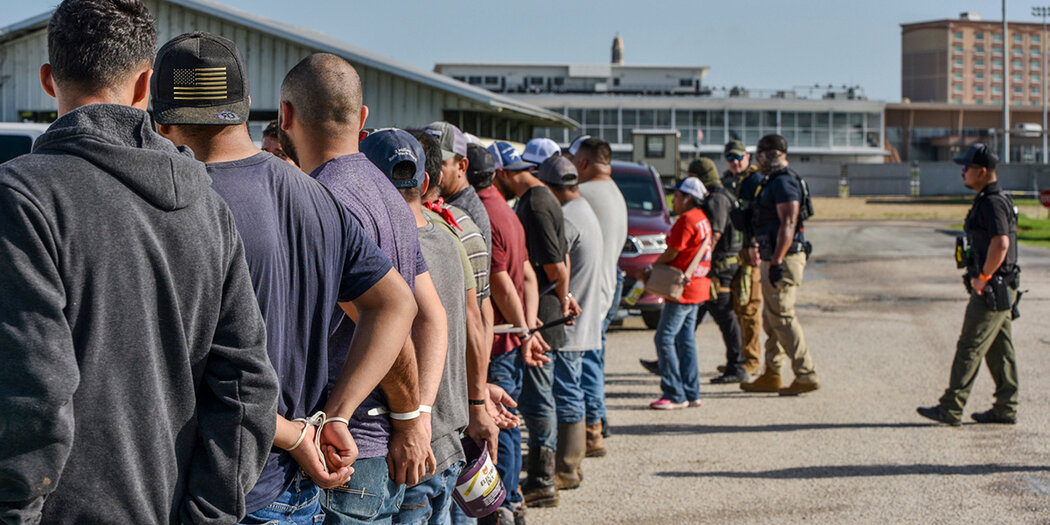
Senate Democrats block DHS funding demanding ICE reforms after Minneapolis killings
ICE killed two US citizens in Minneapolis as shutdown looms

Six Minnesota federal prosecutors resign over DOJ pressure to investigate protesters instead of ICE shooting
Prosecutors chose resignation over investigating protected speech instead of police shooting
ICE violated 56 court orders through mid-February, defying judges
Judges call ICE noncompliance lawless as one man was deported to Peru despite injunction

CBP report admits two agents shot Alex Pretti but won't say if he had a gun
Internal report contradicts DHS claims that Pretti wanted to "massacre law enforcement"
20 questions
Start the review