May 1, 2026
5th Circuit bans mailing abortion pills, affects two-thirds of US abortions
Patients in all 50 states lose telehealth and mail access to most common abortion method
🏥Public Health📜Constitutional Law⚖️Justice✊Civil Rights📋Public Policy
May 1, 2026
Patients in all 50 states lose telehealth and mail access to most common abortion method
The issued a unanimous order on May 1, 2026, blocking the FDA from allowing mifepristone to be prescribed through telehealth or dispensed by mail or retail pharmacies. The order in Louisiana v. FDA takes immediate nationwide effect while the case continues through the courts. It reinstates an in-person dispensing requirement the FDA had lifted in stages since 2021.
The ruling came from a three-judge panel: Circuit Judge Kyle Duncan, appointed by President Trump in 2018; Circuit Judge Leslie Southwick, appointed by President George W. Bush in 2007; and Circuit Judge Kurt Engelhardt, appointed by President Trump in 2018. All three voted to grant Louisiana's emergency motion.
Mifepristone was approved by the FDA in 2000 for use in early pregnancy termination. The FDA originally required patients to pick up the drug in person at a certified health care provider after signing a patient agreement form — a system known as a . In 2021, the FDA suspended the in-person requirement during the COVID-19 public health emergency, and in 2023, the Biden administration made that change permanent and added certified pharmacies as dispensing locations.
The 2023 change allowed patients in abortion-legal states to receive a prescription via telehealth and fill it at a local pharmacy or by mail order. Roughly in the United States are now medication abortions, and a large share of those rely on telehealth prescribing or mail-order dispensing.
Louisiana Attorney General Liz Murrill filed the lawsuit in October 2025, arguing that the FDA's expanded rules let out-of-state patients obtain abortion pills that arrive in Louisiana, undermining the state's total abortion ban. The Fifth Circuit's ruling cited the state's finding that it had incurred nearly $92,000 in Medicaid costs treating two women in 2025 who experienced complications from out-of-state mifepristone obtained by mail.
Judge Duncan wrote that "every abortion facilitated by FDA's action cancels Louisiana's ban on medical abortions and undermines its policy that every unborn child is a human being from the moment of conception and is therefore a legal person." The ruling elevates Louisiana's interest in enforcing its abortion ban above the FDA's congressionally granted authority to determine how drugs may be safely dispensed.
U.S. District Judge David Joseph, based in Lafayette, Louisiana, had previously in April 2026, finding that while Louisiana was likely to succeed on the merits, other factors — including the public interest in continued drug access — favored letting the FDA complete its own ongoing safety review before courts intervened. Louisiana immediately appealed that decision to the Fifth Circuit.
The Fifth Circuit reversed Judge Joseph's balancing analysis, finding that Louisiana's sovereign interest in its abortion ban outweighed both the drug manufacturer Danco Laboratories' financial interests and patients' access interests. The court ordered FDA to provide a status report on its safety review by October 7, 2026.
The Supreme Court last addressed mifepristone access in (2024), unanimously ruling that the plaintiffs — a group of anti-abortion physicians — lacked legal standing to sue the FDA because they couldn't show they were personally harmed by the mail-order rules. That ruling left the underlying question of FDA authority unresolved.
Louisiana's lawsuit uses a different legal approach: the state argues it suffers Medicaid costs from complications, giving it a concrete financial injury. The Fifth Circuit accepted that argument. That standing theory — a state using Medicaid cost exposure to challenge federal drug regulation — is novel, and a Supreme Court review would be the first test of whether it holds.
The ruling affects patients in all 50 states, including states where abortion is fully legal, such as California, New York, and Colorado. Advocates at the said the decision would force patients who rely on telehealth to now travel to in-person clinics — a barrier for people in rural areas, those without transportation, and workers who can't take time off. For patients in states with abortion bans who had obtained mifepristone via telehealth from out-of-state providers, the ruling closes that pathway entirely.
California Gov. Gavin Newsom condemned the ruling, saying his state would continue to protect providers who prescribe mifepristone to patients in other states. Some state attorneys general in blue states signaled they might challenge the order's enforcement, though legal experts noted that the FDA — not state governments — controls what drugs can be dispensed and how.
FDA Commissioner Martin Makary has not publicly stated whether the agency will comply with the order, seek a stay, or appeal to the full Fifth Circuit or the Supreme Court. The Trump administration's FDA had been conducting its own safety review of mifepristone since early 2025 but had not acted on calls from anti-abortion groups to reinstate in-person requirements through the regulatory process.
HHS Secretary Robert F. Kennedy Jr. oversees the FDA. Kennedy has historically expressed mixed views on abortion and has not stated a clear position on the mifepristone rules since taking office. The White House had not publicly commented on how it would direct the FDA to respond to the Fifth Circuit's order as of May 2, 2026.
The and reproductive rights organizations said they would pursue emergency appeals to block the ruling. The estimated that more than 2.5 million patients have used telehealth or mail-order pathways to access mifepristone since the 2021 and 2023 FDA rule changes.
The decision sets up the most significant test of executive agency drug approval authority since the Dobbs v. Jackson Women's Health Organization (2022) ruling, which overturned Roe v. Wade and returned abortion regulation to the states.
Circuit Judge, U.S. Court of Appeals for the Fifth Circuit
Louisiana Attorney General (elected 2023, Republican)
Circuit Judge, U.S. Court of Appeals for the Fifth Circuit
Circuit Judge, U.S. Court of Appeals for the Fifth Circuit
FDA Commissioner, Trump administration (since April 2025)
U.S. District Judge, Western District of Louisiana (Lafayette)
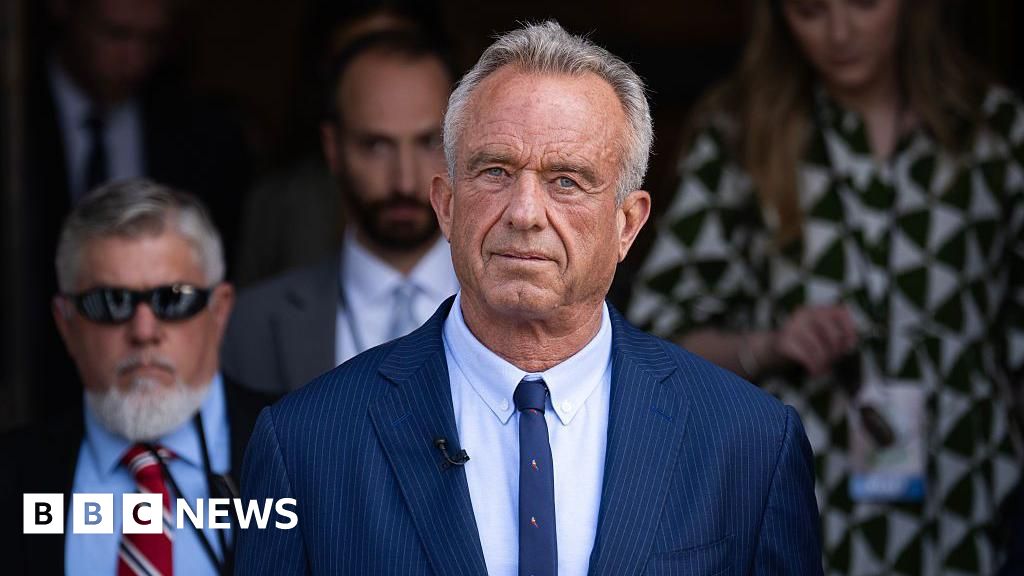
Secretary of Health and Human Services, Trump administration
civic action
Contact your senators about FDA drug access authority
Congress has the authority to clarify or restrict FDA's power to set dispensing rules for approved drugs. Senators on the Health, Education, Labor and Pensions Committee oversee FDA legislation. Calling your senator can add to the public record on this issue.
"Hi, my name is [name] and I'm a constituent calling from [city, state]. I'm calling about the Fifth Circuit ruling blocking mail-order mifepristone. Does Senator [name] support legislation to protect FDA's authority to set dispensing rules for approved medications? Will they hold FDA oversight hearings? Please log my call."
civic action
Submit a comment to FDA on the mifepristone safety review
The FDA is conducting an ongoing review of mifepristone dispensing protocols and must report to the court by October 7, 2026. Patients and providers can submit public comments to FDA dockets during any comment period for proposed rule changes.
"I am submitting a comment on the FDA mifepristone REMS review. I want the FDA to maintain mail-order and telehealth dispensing rules because [personal experience or community impact]. These rules were put in place to improve access to a medication the FDA has deemed safe and effective."
civic action
Contact your House representative about FDA independence legislation
The House Energy and Commerce Committee oversees the FDA. Representatives can introduce legislation to codify FDA authority to set dispensing rules for approved medications, insulating those rules from state-based lawsuits.
"Hi, I'm [name], a constituent from [city, state]. I'm calling about the Fifth Circuit blocking mail-order mifepristone. Does Representative [name] support protecting FDA authority from state lawsuits? Please log my concern."