April 24, 2024
Lawmakers and courts reshape First Amendment rights
TikTok ban blocked, age verification law upheld by courts
📜Constitutional Law🎓Education
April 24, 2024
TikTok ban blocked, age verification law upheld by courts
 James Madison pushed for an explicit guarantee in 1789 after Anti-Federalists feared a distant federal government would crush dissent.
In Schenck v. United States (1919) Justice Oliver Wendell Holmes endorsed the clear-and-present-danger test, which let the government jail anti-war critics.
Civil rights organizers and the NAACP in the 1950s and 1960s used free-speech claims for boycotts and marches and met legal and extra-legal suppression.
In Brandenburg v. Ohio (1969) the Court reversed prior restraint doctrine and protected political advocacy unless it incites imminent lawless action.
The pattern repeats across eras: wartime suppression in 1919, McCarthy-era blacklists in the 1950s, campus crackdowns and online removals in the 2020s.
In Murthy v. Missouri (Jun. 26, 2024) and in 2024–2025 litigation over TikTok and campus arrests, courts and legislatures have reshaped where speech can live and who can sue.
Today employers, university administrators and platform owners hold practical power; journalists, student activists and dissident minorities pay the costs.
The next battle centers on platform regulation and defining state action in pending cases and congressional rules that will decide whether government pressure equals censorship.
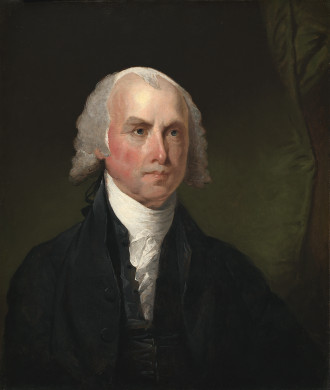
Framer and congressman
Associate justice, U.S. Supreme Court
Defendant in landmark case
Associate justice, U.S. Supreme Court
Associate justice, U.S. Supreme Court
U.S. Surgeon General
Missouri attorney general
Private company and parent
UT Austin student plaintiff
President, University of Texas at Austin
Texas attorney general