April 17, 2026
House votes to extend surveillance law without warrant requirement

House deadlocked on extending warrantless surveillance as April 30 deadline approaches
🔒Digital Rights📜Constitutional Law🏢Legislative Process
April 17, 2026
House deadlocked on extending warrantless surveillance as April 30 deadline approaches
Section 702 was added to the Foreign Intelligence Surveillance Act in 2008, expanding the FBI, NSA, CIA and other agencies authority to monitor communications from foreign targets located outside the United States without a traditional warrant. The program was designed to target foreigners, not Americans, but in executing these surveillance operations, the intelligence community incidentally collects communications from U.S. persons who interact with foreign targets. A 2021 Office of the Director of National Intelligence report found the FBI conducted approximately 3.4 million warrantless searches of U.S. persons under the program. ()
On April 15, 2026, House Speaker  Mike Johnson announced a closed rule for the Section 702 reauthorization debate, which prevented an amendment requiring warrants for searching Americans data from reaching the House floor. Johnson attempted to advance an 18-month clean extension (no new reforms) on April 17 after midnight. The vote failed 228-197, with 20 Republicans joining most Democrats in opposition. Rep.
  Thomas Massie (R-KY), Rep. Warren Davidson (R-OH), Rep. Andy Harris (R-MD), Rep. Andy Ogles (R-TN), Rep. Scott Perry (R-PA), Rep. John Rose (R-TN) and Rep. Keith Self (R-TX) were among the Republicans voting no. ()
Moments after the 18-month proposal collapsed, House leadership rushed a five-year extension with modest reforms to the floor. This bill also failed, 200-220, as reformists like Reps. Massie and Boebert refused to accept language they viewed as insufficient. Intelligence officials argued the proposed warrant language would make it easier for Section 702 data to be used against Americans in criminal proceedings, turning a national security tool into a prosecutorial advantage. ()
At 2:09 a.m. on April 17, House leadership unanimously approved a bare-minimum 10-day temporary extension by voice vote, pushing Section 702 expiration from April 20 to April 30. The Senate approved the stopgap on April 17 by voice vote as well. President Trump signed it the following day. This temporary measure buys time but leaves the fundamental disagreement unresolved: whether intelligence agencies need a warrant to search Americans communications under Section 702. ()
The Congressional Progressive Caucus, representing 98 House Democrats, formally voted to oppose any Section 702 reauthorization without substantial reforms, including mandatory warrants before searching Americans data and restrictions on federal agencies purchasing Americans information from data brokers. This represented a significant shift: in 2024, many of the same Democrats had supported a Section 702 extension. Their opposition, combined with the Freedom Caucus Republicans demand for warrant protections, left Speaker Johnson without a viable path to pass a long-term extension. ()
In February 2026, President Trump publicly urged Congress to reauthorize Section 702 for 18 months without reforms, writing on Truth Social that Republicans should UNIFY, and vote together and that he was willing to sacrifice constitutional protections for national security. However, House Republicans fracture: Reps. Massie and Boebert co-sponsored the Surveillance Accountability Act, which would require government-initiated searches to be conducted with a warrant based on probable cause. Senators Mike Lee (R-UT) and Dick Durbin (D-IL) introduced similar legislation. ()
Director of National Intelligence  Tulsi Gabbard and FBI Director
  Kash Patel have both publicly defended Section 702 as essential for counterterrorism and foreign intelligence operations. Gabbard stated in testimony that removing the program would harm national security, though she privately expressed skepticism about Trumps endorsement strategy in a February meeting. The intelligence community argues that adding warrant requirements would slow response time to imminent threats and reduce the program effectiveness. ()
The Brennan Center for Justice documented that federal law enforcement has used Section 702 searches to monitor political protesters, political donors, members of Congress, U.S. government officials and journalists. Privacy organizations, including the Electronic Frontier Foundation and 130+ civil society groups, sent a letter April 25 demanding that any Section 702 extension include warrant requirements and a prohibition on purchasing Americans data from brokers. They warned that artificial intelligence technologies could amplify the governments ability to search vast quantities of personal information without meaningful oversight. The April 30 expiration deadline forces Congress to reconcile these competing claims before Section 702 lapses.

U.S. Representative from Kentucky (R-4th District)

Speaker of the U.S. House of Representatives (R-Louisiana)
U.S. Representative from California (D-17th District)
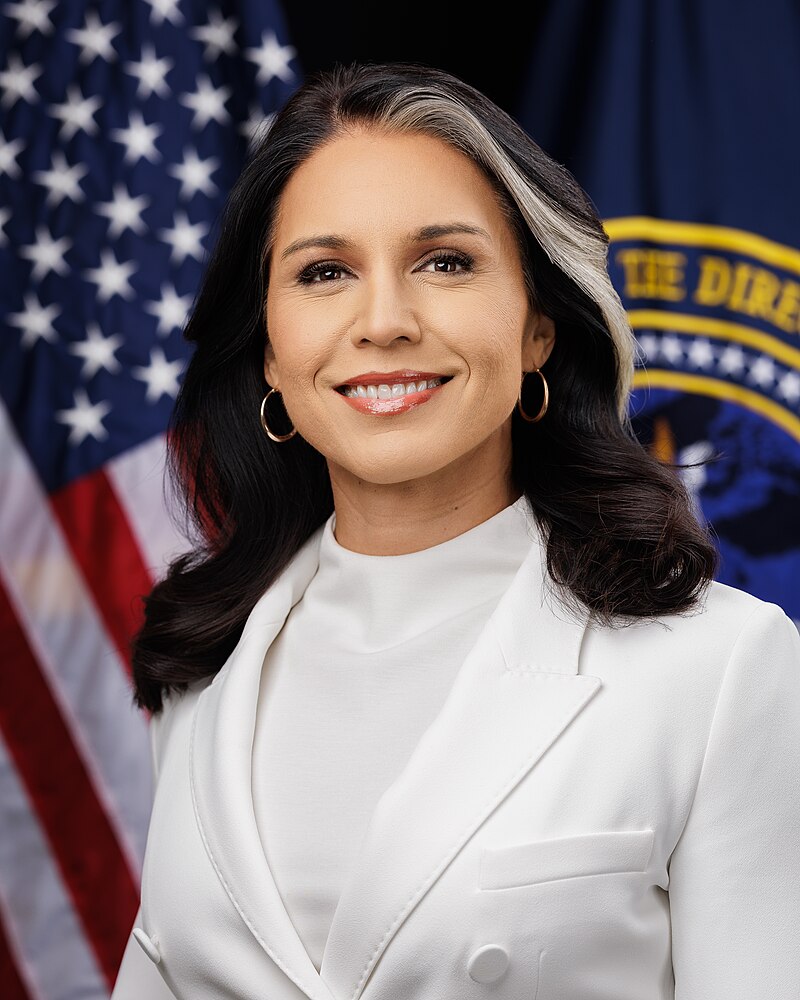
Director of National Intelligence
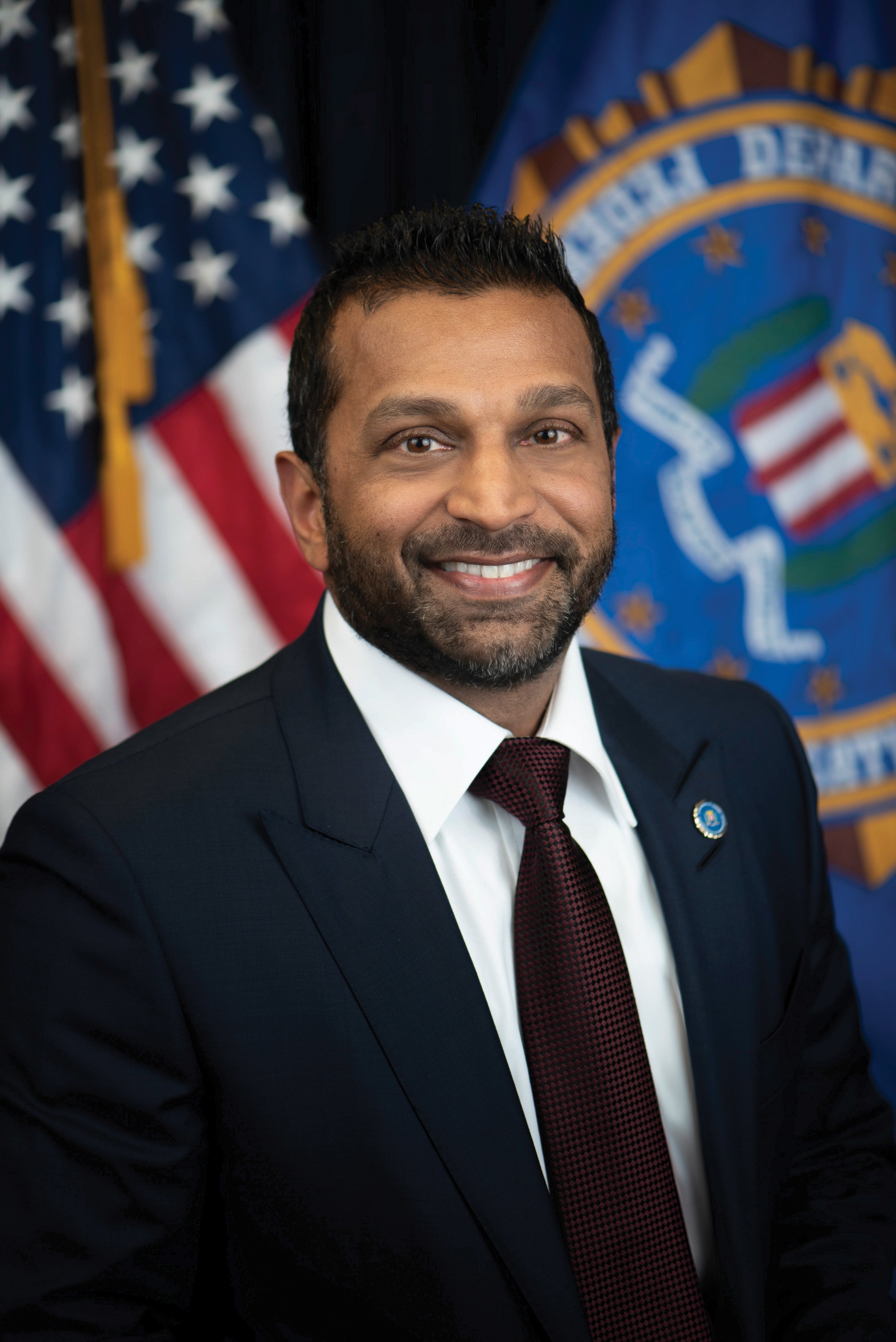
Director of the Federal Bureau of Investigation

U.S. Representative from Colorado (R-3rd District)
U.S. Senator from Illinois (D)
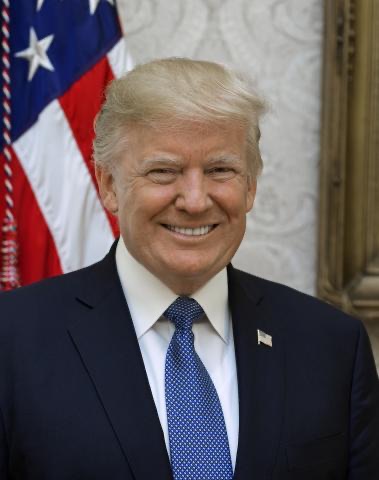
President of the United States
civic action
Call your representative about Section 702 warrant requirement
Congress must decide by April 30 whether Section 702 will include warrants for searching Americans communications. Your representatives position shapes whether the final bill protects your Fourth Amendment rights or grants intelligence agencies unlimited access to your data. Contact them today to demand a warrant requirement, not a clean extension.
Hello, Im calling to urge you to support a warrant requirement for Section 702 of FISA. The FBI conducted 3.4 million warrantless searches of Americans communications in 2021. The Fourth Amendment requires a warrant before the government searches an Americans private information. Please vote no on any Section 702 extension that doesnt include warrant protections.
research
Research your representative's voting history on surveillance
Your representatives voting record on Section 702 and warrant amendments reveals how they prioritize national security versus privacy. Check how they voted on the April 17 extension proposals, whether they co-sponsor surveillance reform bills, and what theyve said publicly about warrants. This record informs whether theyre defending your constitutional rights.
Im researching Section 702 voting records to see how representatives prioritize privacy versus national security. Ill search GovTrack for votes on April 17, 2026 H.R. amendments, check whether they co-sponsored the Surveillance Accountability Act, and review public statements about warrant requirements.
legislative
Support the Lee-Durbin warrant amendment in the Senate
Senators Mike Lee (R-UT) and Dick Durbin (D-IL) introduced legislation requiring warrants before Section 702 searches of Americans communications. Supporting this bill means contacting your senators to co-sponsor it, amplifying it on social media, and tracking whether they vote for it. This bipartisan approach offers a realistic path to warrant protections that protects both national security and constitutional rights.
Hello, Im calling to urge you to co-sponsor and support the Lee-Durbin amendment requiring warrants for Section 702 searches of Americans communications. This bipartisan bill protects the Fourth Amendment while preserving national security operations. Please vote yes when Section 702 reauthorization comes to the Senate floor.