January 21, 2025
Courts limit warrantless digital surveillance
Judges ban warrantless backdoor searches under FISA Section 702
📜Constitutional Law🎓Education
January 21, 2025
Judges ban warrantless backdoor searches under FISA Section 702
" James Madison demanded explicit limits on searches after seeing British general warrants and pushed the Bill of Rights in 1789. "
"Olmstead v. United States, 1928, let warrantless wiretaps proceed and widened government reach. "
"Civil-rights and privacy fights led to Mapp v. Ohio, 1961, which forced states to apply the exclusionary rule. "
"Katz v. United States, 1967 shifted the law to a reasonable-expectation-of-privacy test and limited place-based rules. "
"Carpenter v. United States and later decisions pushed privacy around digital records while United States v. Leon, 1984 created the good-faith exception. "
"In Nov. 2024 United States v. Mendez produced a circuit ruling that allowed manual phone searches at the border, affecting travelers. "
"In 2024–2025 federal judges have blocked FBI backdoor searches and some tower-dump practices, exposing new fault lines over bulk surveillance. (theverge.com)"
"Agencies and surveillance vendors usually win access; protesters, people of color and people with mental-health crises carry most of the harm; the next fights are in the Supreme Court and state legislatures. (apnews.com)"
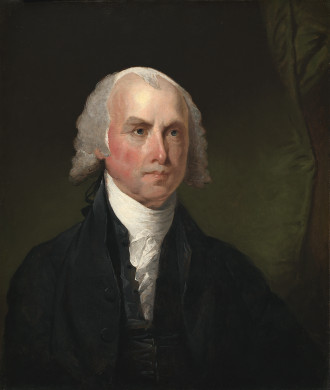
"Author and member of the First Congress"
"Associate Justice, U.S. Supreme Court"
"Associate Justice, U.S. Supreme Court"
"Chief Justice of the United States"
"Associate Justice, U.S. Supreme Court"
"Petitioner in Carpenter v. United States"
"U.S. District Judge"
"U.S. District Judge in Nevada"
"Federal border enforcement agency"
"Civil liberties advocacy organization"
"Civil rights litigant and negotiator"
"Facial recognition company"
"Petitioner in Case v. Montana"