January 20, 2026
Women's March organizes 600+ walkouts across all 50 states on Trump anniversary
Grassroots movement shifts from weekend rallies to weekday disruption
🤝Civic Action✊Civil Rights🤝Civic Action
January 20, 2026
Grassroots movement shifts from weekend rallies to weekday disruption
Women's Mar. scheduled the 'Free America Walkout' for 2 p.m. local time on Jan. 20, 2026, with more than 600 events planned across all 50 states. The protests marked one year since Trump's second-term inauguration. The 2 p.m. timing was strategic—designed to maximize visibility and economic impact during business hours, not the weekend when it's easier to ignore.
Organizers urged people to walk out of work, school, or daily activities at 2 p.m. sharp. Participants were told to share photos and videos on social media using #FreeAmericaWalkout to demonstrate nationwide coordination. The simultaneous timing created visual proof of mass opposition across time zones.
The protests targeted multiple Trump policies: ICE raids and immigration enforcement, healthcare cuts and Medicaid restrictions, National Guard deployments in cities, threats to acquire Greenland, and cuts to social programs. Oregon protesters specifically mentioned Renee Good's shooting by Border Patrol as an example of federal law enforcement violence under Trump.
The shift to weekday protests represents tactical evolution
Weekend marches in 2017 drew massive crowds but had limited economic impact
Weekday walkouts aim to disrupt business operations and create employer pressure Organizers wanted to demonstrate sustained opposition one year into Trump's second term, not just initial resistance.
Women's Mar. has organized major protests since Jan. 2017, when millions marched the day after Trump's first inauguration. The organization mobilized opposition to Trump's Supreme Court nominees, immigration policies, and healthcare rollbacks. The Free America Walkout continues this tradition but with more militant tactics.
Participation in midday walkouts carries personal risks for workers
Many people don't have protected leave time for political protests
Employers can discipline or fire workers who walk out without permission Organizers acknowledged these risks but argued that sustained weekday protests are necessary to build economic pressure that weekend rallies can't achieve.
The protests occurred the same day as the stock market collapse triggered by Trump's tariff threats, Denmark's Davos boycott, and Trump's letter to Norway about the Nobel Prize. The convergence of economic turmoil, diplomatic crises, and domestic protests created the most chaotic day of Trump's second term to date.
Protest coordinators
Women's Mar. Executive Director
Victim of Border Patrol shooting
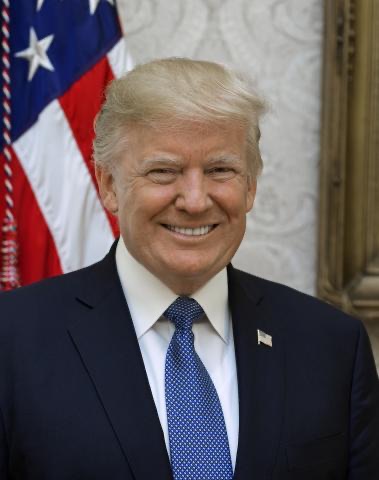
President of the United States
Organizers in all 50 states
Protesters
civic action
Organize or join workplace walkout for next protest day
Coordinate with coworkers to walk out together, reducing individual retaliation risk. Know your rights and risks before participating
civic action
Document workplace retaliation against protesters
If employers retaliate against walkout participants, document it and report to labor organizations and civil rights groups
understanding
Know your retaliation rights before participating in walkouts
OSHA protects workers who raise safety concerns. If you face retaliation for walkout participation, file a complaint within 30 days at 800-321-6742 or worker.gov
civic action
Get legal help if you face workplace retaliation for protest activity
Workplace Fairness provides free information about worker rights. For discrimination retaliation, contact EEOC at 800-669-4000