April 27, 2026
ICE arrests drop 12% after Minneapolis killings and Bovino removal
ICE arrests drop 12% after Minneapolis killings and leadership removal
🛂Immigration🏛️Government
April 27, 2026
ICE arrests drop 12% after Minneapolis killings and leadership removal
ICE weekly arrests fell from an average of 8,347 in the five weeks before Tom Homan's Minnesota drawdown announcement (January 1–February 3, 2026) to 7,369 weekly in the five weeks after (February 4–March 10, 2026). This 12% decline was documented by AP analysis of ICE internal data released under FOIA request. The decline was largest in detentions without criminal records—these fell 21% January through March 2026. Detentions involving people with pending criminal charges fell 5%; detentions of people with prior convictions fell 4%. The data shows enforcement shifted toward criminals and away from non-criminal removals.
Gregory Bovino served as Border Patrol Commander and oversaw ICE enforcement operations in the Minneapolis-St. Paul region from 2024 to January 2026. Bovino implemented a turn-and-burn strategy emphasizing high-visibility enforcement operations at restaurants, bus stops, Home Depot parking lots, and other public places where ICE could make large numbers of arrests quickly and attract media attention. This strategy targeted all removable aliens regardless of criminal history and operated on the principle that high-volume arrests and deportations would deter undocumented immigration.
Two U.S. citizens died during ICE enforcement operations in late January 2026 in Minneapolis: Renee Good and Alex Pretti. Both were lawful permanent residents or citizens mistaken for removable aliens during enforcement sweeps. ICE initially refused to release details about how the deaths occurred, citing operational sensitivity. Congressional oversight requests forced disclosure that ICE agents used force during the detentions. Public outcry and media coverage of the deaths created immediate pressure on the Trump administration to change enforcement tactics.
Tom Homan, Trump's border czar, announced a Minnesota drawdown on February 4, 2026—less than two weeks after the Minneapolis deaths. Homan stated that ICE would shift focus toward serious criminals and people with final deportation orders. He removed Bovino from his position and indicated that the turn-and-burn strategy had created public relations problems that undermined the administration's immigration enforcement goals. The announcement signaled that aggressive enforcement tactics were being reconsidered at the highest levels of ICE.
ICE arrests had peaked at nearly 40,000 total arrests in December 2025, the highest monthly total since the Trump administration took office. This peak reflected intense enforcement activity and high detention capacity. The 12% drop in February–March 2026 represented a measurable pullback from this peak, driven by leadership change and tactical shift toward criminal-focused enforcement. The data demonstrated that ICE has significant discretion over enforcement levels and can reduce arrests substantially by changing operational priorities.
Federal law authorizes ICE to detain any alien removable from the United States. This includes people who overstayed visas, entered without inspection, or violated other immigration statutes, regardless of whether they have committed any crime. ICE can also detain people with pending criminal charges or prior convictions. The shift from 12% non-criminal detentions to 5% non-criminal detentions showed that legal authority to detain someone and operational choice to detain someone are different. Leadership can prioritize one category over another.
Congressional oversight of ICE is limited. The House and Senate Judiciary Committees can request information about ICE operations, but there is no statutory requirement that ICE submit to regular reporting on enforcement patterns or maintain transparency about targeting strategies. The AP FOIA request that revealed the 12% arrest decline was the primary source of public information about the enforcement shift. Without FOIA access or congressional subpoena, the public would not know that enforcement had changed.
The Minneapolis deaths and enforcement decline raised questions about ICE operational procedures and civilian impact. Civil rights organizations filed complaints with the DHS Office for Civil Rights arguing that ICE turn-and-burn enforcement created unsafe conditions for both enforcement officers and civilians. Some communities in Minnesota implemented sanctuary policies restricting local law enforcement cooperation with ICE. The political cost of the aggressive strategy exceeded whatever enforcement benefit it had provided, leading to the strategic pivot toward criminal-focused enforcement.
Border Patrol Commander, Minneapolis region (2024–January 2026)
Border Czar
U.S. citizen, Minneapolis
U.S. citizen, Minneapolis
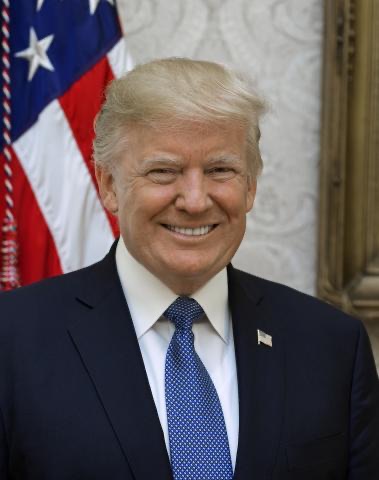
President
Secretary of Homeland Security
Investigative journalists
House and Senate Judiciary Committees
civic action
Call your representative to demand congressional investigation into Minneapolis ICE deaths
The House Judiciary Committee has authority to investigate how ICE agents killed two U.S. citizens and whether Bovino's enforcement strategy created dangerous conditions. Your representative can demand formal hearings with live testimony from ICE leadership, DHS civil rights office, and the families of Renee Good and Alex Pretti. A congressional investigation could establish whether turn-and-burn tactics were reckless and what safeguards prevent future civilian deaths.
Hello, my name is [name] and I'm a constituent from [city, state]. I'm calling about two U.S. citizens, Renee Good and Alex Pretti, who died during ICE enforcement operations in Minneapolis in January 2026. The House Judiciary Committee has authority to investigate these deaths and whether Border Patrol Commander Gregory Bovino's turn-and-burn enforcement strategy created dangerous conditions. I'm asking Representative [name] to demand formal congressional hearings with testimony from ICE leadership and the families of the people killed.
legal resource
Support civil rights organizations filing complaints about ICE enforcement tactics
The ACLU, Leadership Conference on Civil Rights, and other organizations have filed complaints with the DHS Office for Civil Rights documenting civilian deaths and injuries caused by ICE turn-and-burn enforcement. Supporting these complaints through public comments or donations helps build evidence that aggressive enforcement tactics violate civil rights laws. A sustained civil rights investigation could force systemic changes to ICE operational procedures.
I'm researching civil rights complaints filed against ICE for deaths during enforcement operations in Minneapolis. How can I support ACLU's civil rights complaint process? What evidence have civil rights organizations gathered about turn-and-burn enforcement creating unsafe conditions? Are there DHS Office for Civil Rights investigations that are publicly tracked?
legislative
Support legislation establishing ICE enforcement transparency and civilian oversight
Congress can pass legislation requiring ICE to maintain and publicly report enforcement statistics by category (criminal vs. non-criminal), location, and outcome. The legislation could also establish independent oversight of high-risk enforcement operations and require investigation protocols for civilian deaths during ICE operations. Without transparency, the public won't know whether ICE prioritizes criminals or conducts broad sweeps.
Hello, my name is [name] and I'm a constituent from [city, state]. I'm calling to urge Senator [name] to support legislation establishing ICE enforcement transparency. The AP discovered through FOIA that ICE arrests dropped 12% after the Minneapolis deaths—but the public should not have to file FOIA requests to know enforcement levels. Congress should require ICE to report enforcement statistics by category and establish independent oversight of dangerous enforcement tactics. I'm asking Senator [name] to co-sponsor an ICE transparency bill.