Interior budget seeks $2.3B cut and Forest Service transfer
NPS cut 26% while $10B D.C. beautification fund draws Senate fire
NPS cut 26% while $10B D.C. beautification fund draws Senate fire
The FY2027 Interior Department budget request totals $15.9 billion, a $2.3 billion reduction from FY2026 enacted levels and roughly a 13 percent cut to overall department funding. The cuts hit nearly every bureau: the National Park Service faces a $1.06 billion reduction, Bureau of Land Management a $480 million cut, U.S. Fish and Wildlife a $526 million cut, and the USGS a $526 million reduction representing a 37 percent decrease that would eliminate the ecosystems mission area and dramatically reduce natural hazards monitoring. Bureau of Indian Affairs faces a $378 million cut including a 34 percent reduction in funds supporting self-governance and tribal operations, and Bureau of Indian Education faces a $436 million cut, a 32 percent reduction.
These proposed cuts arrive after the Interior Department has already lost approximately 20 percent of its workforce over the prior 15 months, largely through DOGE-directed reductions and voluntary departure programs. The Center for Western Priorities noted that Burgum's proposed staffing reductions would lay the groundwork for future attempts to privatize parks and public lands by depriving them of personnel and resources needed to function and provide services.
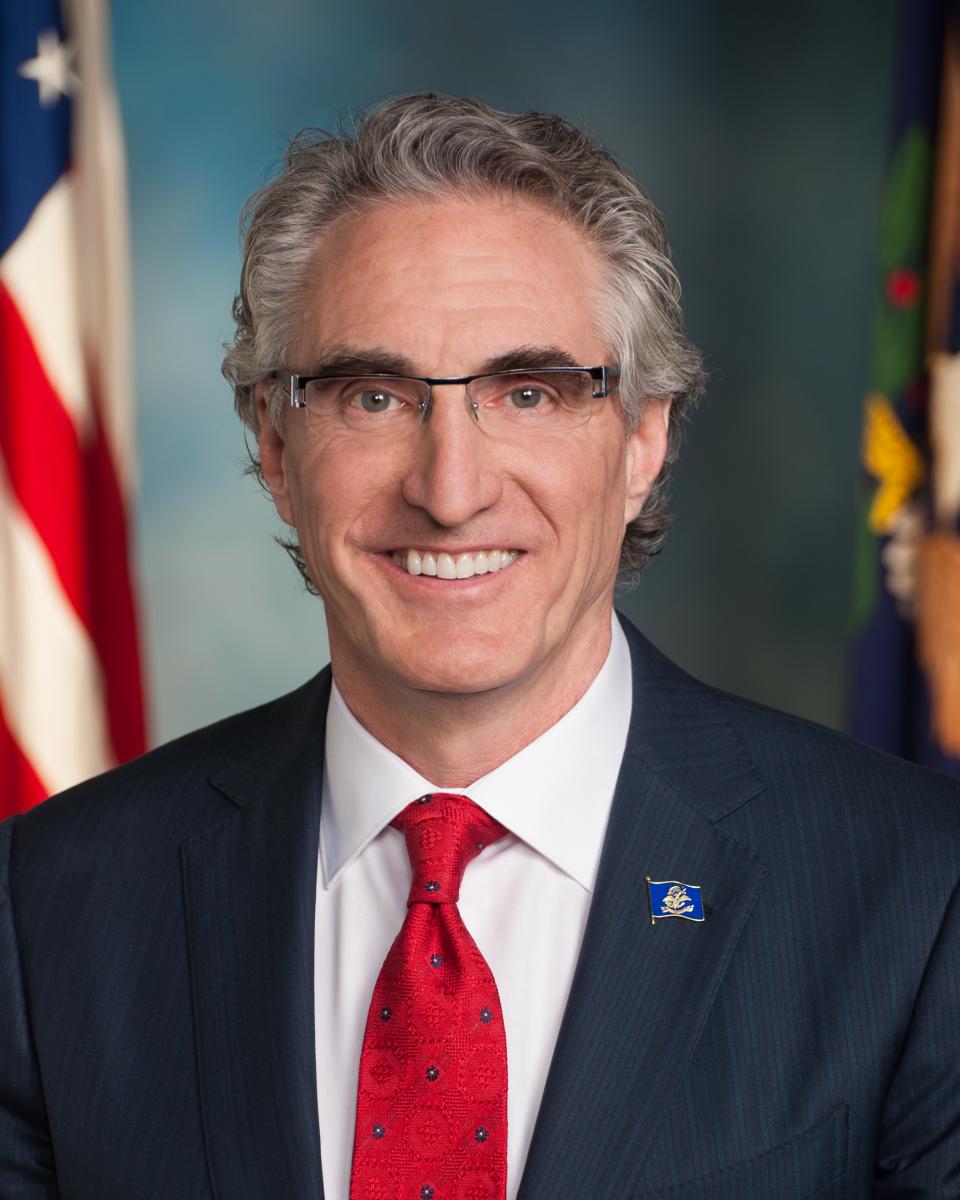
Secretary of the Interior
Testified before the Senate Energy and Natural Resources Committee on April 29, 2026, defending the FY2027 Interior budget request of $15.9 billion — a $2.3 billion cut from enacted levels. Proposed the largest reorganization of federal land management in decades through the Wildland Fire Service transfer and Endangered Species Act permitting consolidation.
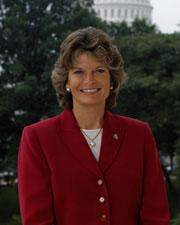
U.S. Senator (R-AK), Senate Energy and Natural Resources Committee
Raised bipartisan concerns about NPS staffing cuts and the D.C. beautification fund at the April 23 Interior Appropriations Subcommittee hearing and at the Energy Committee hearing. As the senior Republican senator from a public-lands state with extensive national park and public lands interests, her skepticism signaled that the Interior budget may face resistance from members of the president's own party.
U.S. Senator (D-WA), Senate Appropriations Committee
Told Burgum that the combination of a 38% cut to parks facilities, a 35% cut for support staff, and a more than 50% cut to resource stewardship was 'a recipe for disaster for our parks.' Her questioning at the April 23 Interior Appropriations Subcommittee hearing established the specific cut percentages that became focal points for broader criticism.
U.S. Senator (D-OR), Senate Appropriations Committee
Called the $10 billion Presidential Capital Stewardship Program a 'slush fund' for presidential vanity projects. Noted that the D.C. beautification fund is larger than the total national parks operations budget for the entire country, and that the administration had not disclosed which specific projects the fund would support.
U.S. Senator (D-AZ), Senate Energy and Natural Resources Committee
Questioned Burgum on water security implications of the FY2027 budget, specifically asking about Flaming Gorge water transfers and the hydropower impact of cutting Lake Powell releases at Hoover Dam. Also raised the Hualapai Tribe water settlement deadline, which could void a tribal agreement if Congress fails to appropriate $58 million before April 2029.

U.S. Senator (R-SD), Senate Appropriations Subcommittee on Interior
Questioned Burgum at the Interior Appropriations Subcommittee hearing, representing another Republican senator with concerns about the budget's impact on land management in public-lands states. His questioning reflected the rural and agricultural interests common among Republican senators from Great Plains and Rocky Mountain states.
Acting Under Secretary for Natural Resources and Environment, USDA Rural Development
Cited in the context of the USDA Rural Housing Modernization Initiative, though his primary relevance is to the Forest Service components of the Wildland Fire Service transfer proposal. As acting leader of the USDA natural resources mission, Lindsey would oversee the Fire Service transfer that the Interior budget proposes.

Ranking Member, Senate Energy and Natural Resources Committee (D-WA)
As the committee's ranking Democrat, Cantwell would have had a prominent role in questioning Burgum at the April 29 hearing and framing the Democratic response to proposed Interior budget cuts. She has a long record of opposing public lands privatization and supporting tribal water rights, areas central to the FY2027 proposal.
True
The FY2027 Interior budget request is $15.9 billion, $2.3 billion below FY2026 enacted levels
HillHeat's budget summary of the April 29 hearing states the Interior request is $15.9 billion, a $2.3 billion decrease from the fiscal 2026 enacted level. This aligns with the administration's publicly stated goal of reducing department-wide funding by roughly 13 percent. [1]
True
The NPS operations budget would be cut by 26 percent under the FY2027 proposal
HillHeat's detailed summary of the Interior budget indicates a $760 million cut to Operation of the National Park System, described as a 26 percent reduction. The Association of National Park Rangers similarly reported a $736 million cut to NPS operations, both consistent with a roughly 25-26 percent reduction from current levels. [1][2]
True
The $10 billion Presidential Capital Stewardship Program is larger than the entire NPS operations budget
Alaska Public Media confirmed that senators noted the D.C. beautification fund is larger than what the president proposes to spend on annual maintenance for national parks nationwide. HillHeat confirmed the $10 billion mandatory fund figure and the $760 million operations cut for NPS. [1][2]
True
The USGS would face a 37 percent budget reduction under the FY2027 proposal
HillHeat's detailed Interior budget summary states the USGS would face a $526 million cut representing a 37 percent reduction that eliminates the ecosystems mission area and dramatically cuts natural hazards funding. [1]
True
This is the second consecutive year the administration proposed the Forest Service wildland fire transfer
Both the FY2026 and FY2027 Interior budget documents propose creating a U.S. Wildland Fire Service within Interior by transferring USDA Forest Service wildland fire management functions. Congress did not enact the transfer in FY2026, and the FY2027 proposal renews the request. [1][2]
True
Cutting Lake Powell releases by 1.5 million acre-feet could reduce Hoover Dam hydropower capacity by 40 percent
Sen. Gallego's press release states that cutting releases from Lake Powell by 1.5 million acre-feet could cause an additional 40 percent reduction in hydropower generated capacity at Hoover Dam as early as that fall. This figure was stated by Gallego's staff and presented to Burgum as a question during the hearing. [1]
Contact your senators on the Senate Energy and Natural Resources Committee about Interior budget cuts
civic action
The FY2027 Interior budget request faces congressional review. Senators on the Energy Committee and Appropriations Subcommittee on Interior will help determine how much of the proposed cuts survive. Constituents from public-lands states have particular leverage.
Find and visit your nearest national park before further staffing and maintenance cuts take effect
community engagement
The National Park Service is already operating with a significantly reduced workforce. The proposed FY2027 budget would cut operations by an additional 26 percent. Visiting parks and documenting their condition creates public awareness and direct constituent feedback to Congress about the human cost of these cuts.
Track the proposed Forest Service wildland fire transfer through USDA and Interior budget channels
civic monitoring
The Wildland Fire Service transfer would move thousands of Forest Service fire management employees into Interior. Both USDA and Interior have budget justification documents that detail this reorganization. Citizens in fire-prone communities have a direct stake in how the transfer affects local fire management resources.
Urge Congress to maintain tribal trust funding for Bureau of Indian Affairs and Bureau of Indian Education
civic action
The FY2027 budget cuts BIA by $378 million and BIE by $436 million, reducing tribal self-governance support by 34 percent and tribal education funding by 32 percent. These cuts intersect with legally binding treaty obligations. Tribal nations and their advocates can contact members of the Senate Indian Affairs Committee to demand these obligations be honored.