National SecurityConstitutional LawForeign PolicyGovernment
April 21, 2026Iran-US ceasefire expires April 22 after Islamabad talks collapse
US-Iran war talks failed after 21 hours and the ceasefire expires in days

On February 28, 2026, the United States and Israel launched coordinated surprise strikes on Iran without a prior congressional declaration of war or formal (AUMF). The strikes targeted Iranian military and intelligence facilities in response to the assassination of Iranian Supreme Leader Ayatollah Khamenei, which U.S. intelligence attributed to an external attack (the attribution and responsibility remain disputed internationally). By April 22, 2026, when negotiations were scheduled to begin in Muscat, Oman, U.S. and Israeli forces had conducted sustained military operations for nearly two months. The conflict represented a major escalation from the long-standing Iran-Israel rivalry and U.S. hostility toward Iran under the Trump administration. The Trump White House had previously withdrawn the U.S. from the Joint Comprehensive Plan of Action (JCPOA, known as the "Iran nuclear deal") in May 2018, and had pursued a "maximum pressure" sanctions campaign. February 2026 marked the first time since the 1979 Iranian Revolution that the U.S. had conducted sustained combat operations directly against Iranian military forces, with Israeli forces conducting parallel strikes and ground operations.
The ceasefire talks scheduled for April 22, 2026 were intended to be preliminary negotiations to establish basic terms: the scope of military operations, the definition of "ceasefire" (does it include Israeli operations, sanctions, or both?), and whether the talks would lead to a binding agreement or more extended negotiations. However, within days of the official announcement that talks would begin on April 22, both the U.S. delegation and Iran refused to confirm they would participate. By April 20, news reports from Al Jazeera and Reuters indicated that neither side was sending high-level officials. The U.S. State Department confirmed that a delegation would attend but characterized the meetings as "preliminary" and stated that no agreement or binding terms would be negotiated on April 22. Iran's foreign ministry issued a statement saying that Iran would participate but that any ceasefire must include immediate Israeli withdrawal from Iranian territory (though Israeli forces had not invaded mainland Iran; the statement appeared to reference Israeli-occupied territories that Iran views as part of its sphere of influence, primarily Syria and Hezbollah positions in Lebanon). The vagueness of Iran's position and the clear reluctance of both delegations to be seen as negotiating seriously suggested that the April 22 talks were largely performative or designed to buy time for military operations to continue.
The diplomatic stalling was rooted in incompatible war aims. The Trump administration had authorized military operations with three stated objectives: (1) Eliminate Iran's ability to conduct further attacks on Israel and U.S. forces in the region; (2) Degrade Iran's nuclear infrastructure, which U.S. officials described as "threat-eliminating" in scope; and (3) Remove from power the Revolutionary Guards leadership responsible for attacks on U.S. forces. Those objectives were incompatible with any negotiated ceasefire, because they required either total Iranian capitulation or regime change. Meanwhile, Iran's position, as stated through its Foreign Ministry, was that the U.S. and Israel must "withdraw from aggression" and restore the JCPOA, neither of which the Trump administration had any interest in pursuing. The incompatibility of these demands meant that April 22 talks could not be serious negotiations toward peace; they were military operations by other means, intended to manage international perception while military operations continued.
Key players in the April 22 negotiations included: U.S. Special Envoy for the Middle East Steve Bannon, appointed by Trump in March 2026 with a mandate to pursue "maximum pressure" on Iran and a political preference for military solutions to Iranian policy challenges. The Omani government, which hosted the talks and historically maintained diplomatic relationships with all Gulf parties, had proposed itself as neutral mediator but lacked leverage over both the U.S. and Iran. Iran's Foreign Minister Mohammad Javad Zarif led the Iranian delegation. Zarif had negotiated the JCPOA under the Obama administration and had been sanctioned by the Trump administration as a result; his presence suggested Iran was serious about diplomacy, but his marginalization by the current Iranian administration suggested otherwise. The UN Security Council, which includes Russia and China, had been sidelined entirely from mediation efforts. Russia, which had historically had modest influence over Iran, initially called for negotiations but refused to provide military support to Iran, reflecting Moscow's focus on maintaining leverage in Ukraine and avoiding entanglement in a major Middle East conflict. China, which depended heavily on Iranian oil imports, remained silent, signaling that Beijing preferred not to take a public stance.
The background of escalation leading to the February 28 strike reveals how quickly the conflict moved from intelligence operations to military confrontation. In early February 2026, U.S. intelligence reported that Khamenei's assassination was an external attack orchestrated by unknown parties. Iran blamed Israel for the killing, though Israeli officials denied direct responsibility. However, Israel had been conducting sustained covert operations against Iranian nuclear and military targets throughout 2025, part of a broader effort to prevent Iran from acquiring nuclear weapons. The Trump administration saw the power vacuum following Khamenei's death as an opportunity to weaken Iran's military-security establishment before a new supreme leader could consolidate control. With the consent of incoming Iranian President Masoud Pezeshkian, who initially took temporary control, the U.S. and Israel launched the February 28 strikes. Pezeshkian and his faction opposed the most hardline elements of the Revolutionary Guards and saw the strikes as an opportunity to weaken their rivals. However, as Pezeshkian's government solidified control, he faced domestic pressure from hardliners and the broader Iranian public to retaliate for the strikes. By March and April 2026, the Trump administration's military operations continued despite the political transition in Iran.
Congress was not meaningfully involved in authorizing the February 28 strike or the subsequent military operations. The Trump administration invoked a classification of operations as "emergency measures to defend U.S. forces" under the , claiming presidential authority to conduct military operations for 60 days without Congressional approval. Numerous Democrats and some Republicans called for a vote on a formal AUMF to authorize the conflict legally and to establish Congressional oversight. The House and Senate referred to the International Relations Committees (or equivalent) various proposals for an AUMF, but the Trump administration signaled that it opposed any constraint on its operational authority and did not push for a quick vote. As of April 22, two months after the initial strikes, Congress had not voted on a war authorization, and the administration continued to claim presidential authority under the War Powers Resolution and the post-9/11 AUMF (the 2001 Authorization for Use of Military Force against al-Qaeda and associated terrorist organizations). Legal scholars at Harvard Law School, Yale Law School, and the Center for Constitutional Rights all published analyses arguing that the post-9/11 AUMF does not authorize military operations against Iran, and that the Trump administration was acting without adequate Congressional authorization. Despite this, no emergency injunction or Congressional vote forced compliance.
The negotiating positions presented in the lead-up to April 22 revealed the underlying power struggle. The U.S. and Israel framed the ceasefire talks as opportunities for Iran to accept defeat and accept permanent constraints on its military and nuclear programs. The Trump administration made clear that any agreement must be verifiable and must constrain Iran's ability to develop nuclear weapons indefinitely. This framing presupposed that Iran was defeated and should surrender. However, Iran's position, as articulated by Pezeshkian in early April statements, was that Iran had successfully repelled the strikes (a militarily dubious claim, given that U.S. and Israeli strikes had destroyed significant military infrastructure) and that any ceasefire must restore the JCPOA and recognize Iran's right to nuclear development. The incompatibility of these positions—surrender vs. victory—meant that neither side could publicly concede ground without undermining its domestic political position.
The ceasefire talks also occurred against the backdrop of international economic and political realignment. China and Russia had begun increasing military and economic support for Iran in response to the U.S. strikes, though neither had directly intervened in combat. India, which had significant oil trade ties with Iran, expressed concern about the escalation but remained diplomatically neutral. The European Union, which had been divided on Iran policy following Trump's 2018 withdrawal from the JCPOA, issued statements calling for negotiations but provided no military support to either side. Saudi Arabia and the United Arab Emirates, which had been U.S. allies, remained publicly neutral while conducting quiet negotiations with Iran through Oman. The regional alignment was shifting from a clear U.S.-Israel-Saudi axis to a more multipolar situation where middle powers were hedging their bets and avoiding entanglement in what appeared to be a long-term conflict.
By April 20-22, intelligence community assessments were deeply skeptical that the April 22 talks would produce a meaningful ceasefire. U.S. military planners expected operations to continue through the summer of 2026, with diplomatic talks serving primarily to mollify international critics and to manage the domestic political narrative. Iran's military leadership, despite losses in the February and March strikes, had demonstrable capability to conduct attacks on U.S. bases, Israeli territories, and allied Gulf states through multiple channels (missile attacks, proxy militias, asymmetric operations). The expectation among defense analysts was that the April 22 talks would fail to produce agreement, leading either to a new round of military escalation or to a long-term frozen conflict resembling the Cold War pattern of great-power competition by proxy.
Related Topics
6
Iran rejects US peace plan as strike deadline nears and regional escalation risk grows
Tehran rejected a 15 point proposal as an April 6 deadline intensified fears of wider conflict
.jpg&w=3840&q=75)
Trump issues Iran ultimatum as ceasefire nears collapse
Iran rejects Trump's nuclear demands; ceasefire collapses toward new strikes
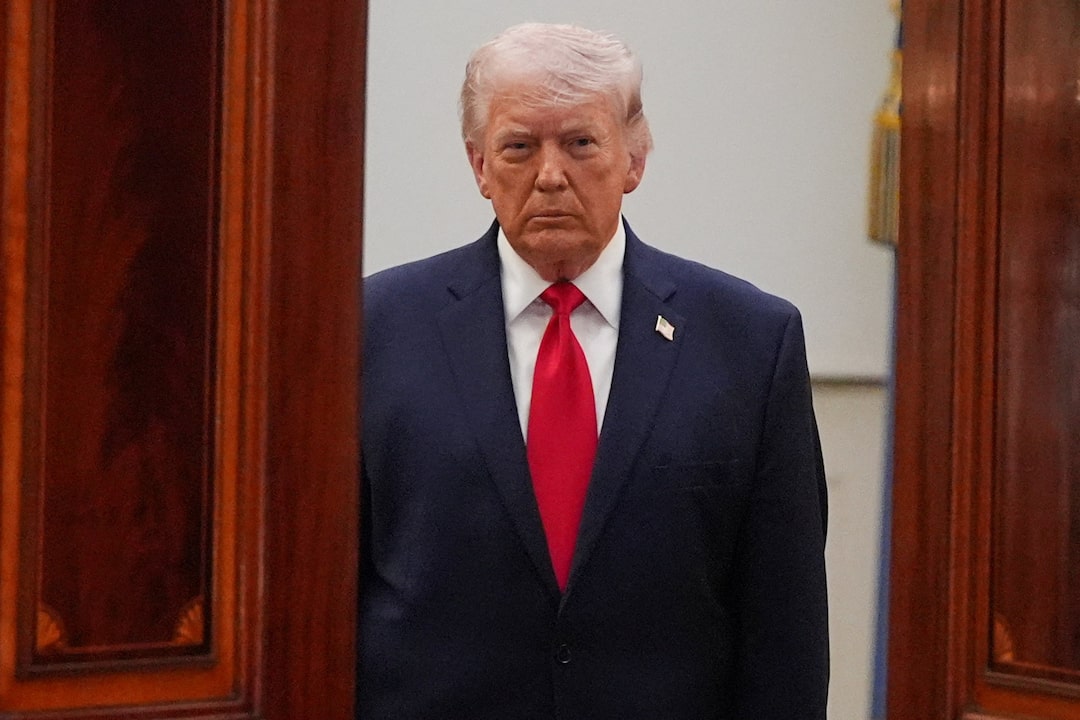
Trump pushed his Iran deadline to Tuesday and threatened to bomb power plants and bridges
Negotiations remained unstable as Trump escalated his public demands around the Strait of Hormuz

Trump extends Iran ceasefire indefinitely, blockade remains
No deadline, no authorization: the US–Iran ceasefire is now open-ended
US-Iran Islamabad talks collapse. Trump threatens naval blockade
21-hour Iran talks fail in Pakistan, Trump posts naval blockade threat
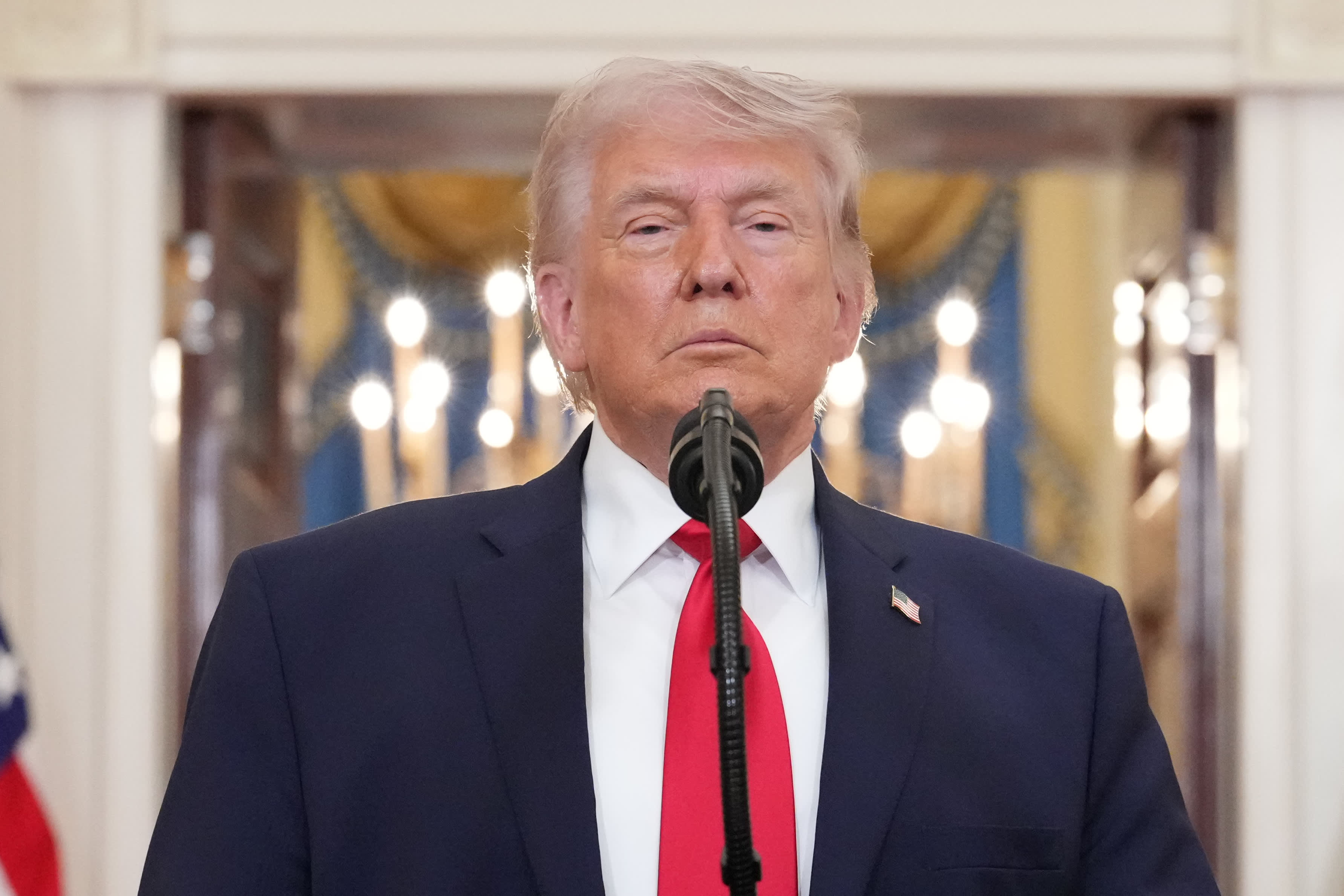
Trump announced a U.S.-Iran ceasefire 90 minutes before his own deadline and the terms immediately fell apart
Lebanon's status and the Strait of Hormuz were disputed before the ink dried
20 questions
Start the review