EnergyTradeNational SecurityForeign Policy
April 19, 2026Iran re-closes Strait of Hormuz, fires on Indian oil tankers
Indian sailors caught in crossfire as U.S.-Iran ceasefire nears expiration

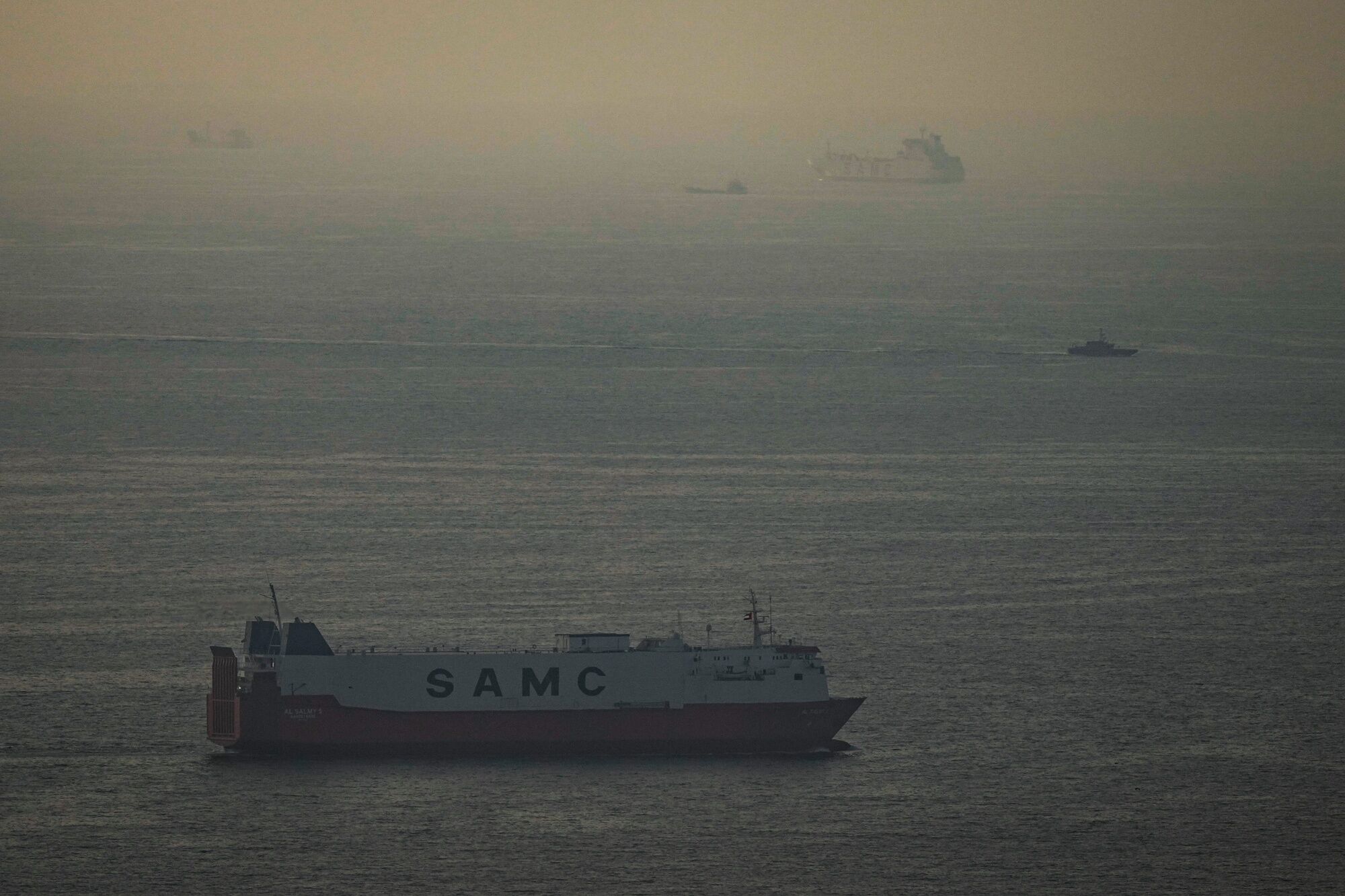
Iranian Revolutionary Guard Corps Navy gunboats fired on two Indian-flagged oil tankers in the on April 18, 2026. The Sanmar Herald, a very large crude carrier loaded with nearly 2 million barrels of Iraqi crude, and the Jag Arnav were both forced to turn back. Audio intercepted from the Sanmar Herald captured crew members saying 'You gave me clearance to go! You are firing now! Let me turn back!' The UK Maritime Traffic Organization confirmed the shooting.
Iran had briefly reopened the strait on Friday, April 17, but reimposed the closure on Saturday, citing 'repeated breaches of trust' by the United States. The two Indian vessels were apparently transiting during the window when Iran said the strait was open. Neither vessel was heading to or from Iranian ports. They were carrying Iraqi crude through the international shipping lane.
India responded swiftly to the attack on its merchant vessels. Foreign Secretary Vikram Misri summoned Iranian Ambassador Mohammad Fathali on Saturday evening and conveyed 'deep concern' over the firing on Indian ships. India's Ministry of External Affairs stressed the importance of safe merchant shipping and recalled that Tehran had previously facilitated safe passage for India-bound vessels. India urged Iran to restore those arrangements without delay.
The diplomatic crisis puts India in a difficult position. India is one of Iran's largest oil customers and has historically maintained a working relationship with Tehran even during periods of U.S. sanctions. India also depends on the Strait of Hormuz for roughly 60% of its oil imports. The attack on Indian-flagged vessels carrying Iraqi crude threatens India's energy security regardless of which side in the U.S.-Iran conflict is responsible for the escalation.
The United States imposed a on Iranian ports in the Strait of Hormuz in mid-April 2026 after negotiations between JD Vance and Iranian officials collapsed on April 12. CENTCOM reported that no ships successfully crossed the blockade to reach Iranian ports in the first 48 hours, with nine vessels complying with U.S. military orders to turn around. CENTCOM clarified that the blockade targets ships heading to or from Iranian ports and 'won't impede for vessels transiting the Strait of Hormuz to and from non-Iranian ports.'
Iran's Supreme National Security Council called the U.S. blockade a violation of the agreement and said the Hormuz re-closure was a direct response. The blockade has cut off roughly 90% of Iran's international sea trade, causing estimated losses of $400 million per day. CENTCOM released images of Apache helicopters patrolling above the strait. The military posture on both sides has escalated despite the ceasefire technically remaining in effect until April 21.
The ceasefire between the U.S. and Iran is set to expire on April 21, 2026. White House Press Secretary Karoline Leavitt said the administration hasn't requested an extension. One week after the ceasefire expires, on April 28, the 's 60-day clock runs out. After that point, the president must withdraw U.S. forces unless Congress authorizes the deployment.
The Senate blocked a fourth on April 15, voting 47-52 mostly along party lines. Sen. Rand Paul (R-KY) was the only Republican to vote in favor. Sen. John Fetterman (D-PA) was the only Democrat to vote against. The House also rejected a similar effort to withdraw U.S. forces on April 16. The White House can request a 30-day extension of the clock by citing national security concerns. Congress has effectively ceded its war powers authority on Iran to the executive branch.
The Strait of Hormuz crisis has severely disrupted global energy markets. Gulf oil exports have dropped approximately 60% since the confrontation began, falling from roughly 25 million barrels per day to about 10 million. Brent crude, the global oil benchmark, rose 7% to $102 per barrel after the U.S. blockade announcement. Iran's economy faces potential collapse within three months under the blockade, according to economic analysts, with the country losing an estimated $400 million per day in blocked exports.
About 20% of world oil passes through the Strait of Hormuz under normal conditions. The waterway is only 21 miles wide at its narrowest point, with shipping lanes of just two miles in each direction. Countries most affected beyond Iran include Iraq, Kuwait, Qatar, Bahrain, and the UAE, which all depend on the strait for their oil exports. India, China, Japan, and South Korea are the largest Asian importers of Gulf oil and face rising energy costs as the crisis continues.
Related Topics
6
Bessent confirms US lets Iran's oil tankers sail Hormuz while others are blocked
US bombs Iran's military while protecting the oil revenue keeping its government funded
US Navy begins blockade of Iranian ports after peace talks fail
Naval blockade of Iran begins without congressional authorization

US-Iran Islamabad talks collapse. Trump threatens naval blockade
21-hour Iran talks fail in Pakistan, Trump posts naval blockade threat

Iran threatens to block all Middle East oil. Trump weighs Russia sanctions relief
The diplomatic maneuvering shows how the Iran war affects global energy markets and alliances

Iran rejects US peace plan as strike deadline nears and regional escalation risk grows
Tehran rejected a 15 point proposal as an April 6 deadline intensified fears of wider conflict
Trump gives Iran 48-hour ultimatum, threatens power plants
Iran warns it will mine the Gulf and permanently close the Strait of Hormuz if power plants are targeted
22 questions
Start the review