Judicial ReviewConstitutional LawJustice
January 22, 2025Federal judges pushed back on Trump Jan. 6 pardons and blocked DOJ expansion attempts
Judges Tanya Chutkan, Beryl Howell, Colleen Kollar-Kotelly, and Royce Lamberth publicly rejected Trump's mass clemency, and courts blocked the DOJ from extending pardons to cover unrelated crimes like firearms violations and child pornography that investigators discovered during Jan. 6 searches
Trump signed blanket clemency for roughly 1,500 Jan. 6 defendants on January 20, 2025, his first day back in office
Four D.C. federal judges — Chutkan, Howell, Kollar-Kotelly, and Lamberth — publicly objected to the pardons through written statements or in-court remarks
DOJ reversed its initial narrow pardon interpretation within two months and argued pardons covered unrelated crimes found during FBI searches
Trump-appointed Judge Dabney Friedrich rejected DOJ expanded interpretation, ruling it would defy rationality
Three federal appeals court panels questioned DOJ shifting position on pardon scope
under Article II Section 2 cover only federal offenses and cannot cover crimes committed after the pardon is issued
Timeline
January 6 Insurrection: Attack on the Capitol
Jan 22, 2025
JudicialMajor
Federal judges rebuke Trump's Jan. 6 pardons and block DOJ expansion attempts
Multiple federal judges pushed back against the Trump administration's blanket pardons of January 6 defendants, with judges questioning the scope and legality of pardons for those convicted of violent offenses. Some judges declined to immediately dismiss pending cases, and courts blocked DOJ attempts to expand prosecutorial authority beyond what the pardon orders specified. Legal scholars called the judicial resistance a significant check on executive pardon power.
Related Topics
6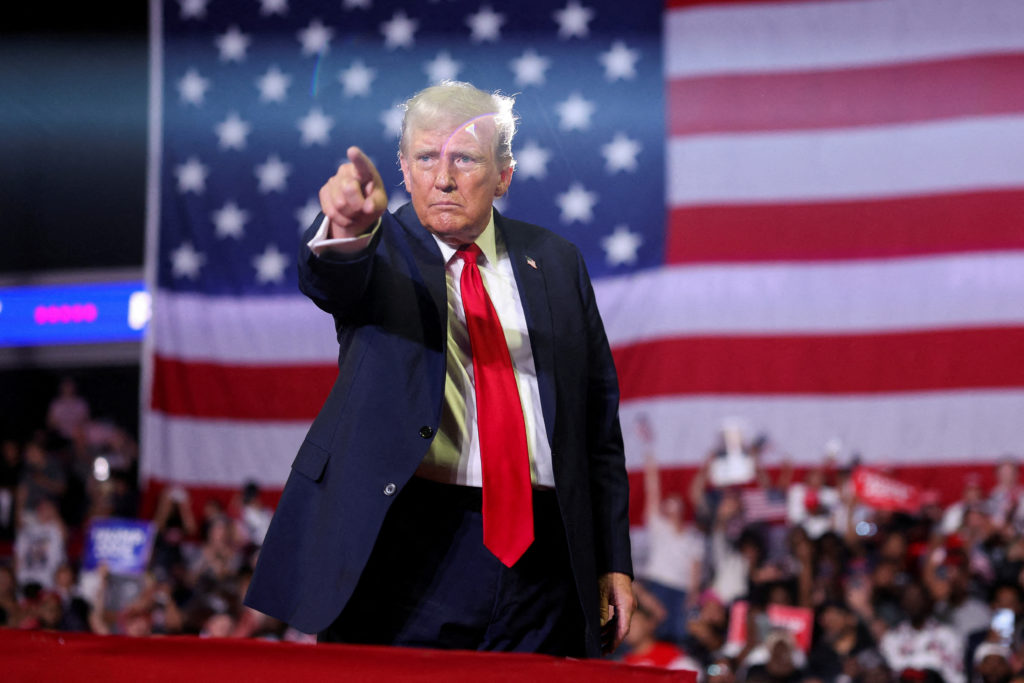
Former President Trump appeals hush money conviction on multiple legal tracks
Trump is simultaneously appealing his 34 felony convictions in New York state court while trying to move the case to federal court, where he could invoke presidential immunity to wipe out the conviction entirely
DOJ drops then reverses its fight against law firms that beat Trump in court
Four courts found the orders unconstitutional. Then DOJ dropped them. Then it did not
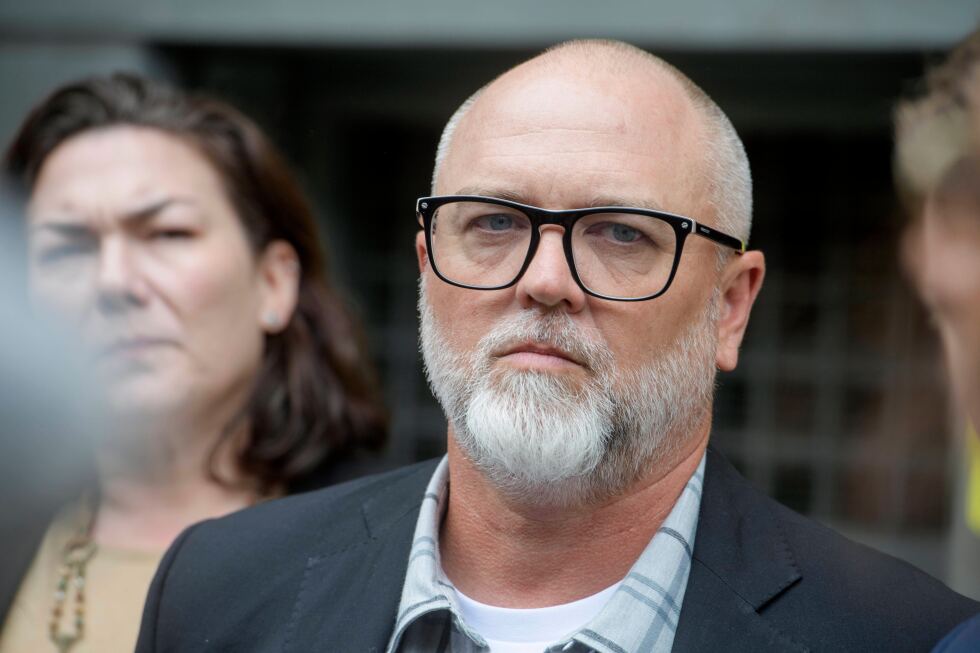
DOJ drops charges against Army vet who burned flag to protest Trump's flag-burning order
A vet burned a flag to protest Trump's flag-burning order. DOJ arrested him anyway

Trump flew deportation planes during active federal judge order then faced criminal contempt
Chief Judge James Boasberg found probable cause that Trump administration officials committed criminal contempt of court when deportation flights landed in El Salvador on March 15, 2025, minutes after he ordered them turned back
⚖️
Jack Smith's final report says Trump would have been convicted if he hadn't won
Special Counsel Jack Smith released Volume 1 of his final report on January 14, 2025, documenting the evidence against Trump for conspiring to overturn the 2020 election and concluding that the evidence was sufficient to obtain and sustain a conviction at trial had Trump not won re-election
DC Circuit rules Trump can fire labor board members at will
Ruling dismantles 90-year precedent protecting agency independence from presidential control
18 questions
Start the review