National SecurityForeign PolicyVeterans
March 12, 2026Six Air National Guard airmen die in KC-135 crash over Iraq
National Guard airmen from Ohio and Florida die in Iran war support mission

Photo: Senior Airman Matthew Seefeldt/U.S. Air Force
A U.S. Air Force KC-135 Stratotanker refueling aircraft crashed in western Iraq on March 12, 2026, killing all six crew members aboard. The plane was flying a support mission during Operation Epic Fury, the Pentagon's name for the U.S.-Israel military campaign against Iran that began February 28. U.S. Central Command stated the loss was not caused by hostile or friendly fire and that the circumstances were under investigation. A second KC-135 that was involved in the same incident managed to land safely.\n\nThe KC-135 Stratotanker is the primary aerial refueling aircraft for the U.S. Air Force. First introduced in 1956, there are roughly 390 in active service. It's critical to long-range strike operations because fighter jets and bombers can't reach distant targets like Iran without mid-air refueling. Losing even one reduces the operational tempo the military can sustain. This was the fourth manned U.S. aircraft lost in the first two weeks of Operation Epic Fury.
The Pentagon identified the six crew members on March 14, 2026: Maj. John A. Klinner, 33, of Auburn, Alabama; Capt. Ariana G. Savino, 31, of Covington, Washington; Tech. Sgt. Ashley B. Pruitt, 34, of Bardstown, Kentucky; Capt. Seth R. Koval, 38, of Mooresville, Indiana; Capt. Curtis J. Angst, 30, of Wilmington, Ohio; and Tech. Sgt. Tyler H. Simmons, 28, of Columbus, Ohio.\n\nThree of the six, Klinner, Savino, and Pruitt, were assigned to the 6th Air Refueling Wing at MacDill Air Force Base in Tampa, Florida, though they served day-to-day at Sumpter Smith Joint Base in Birmingham, Alabama. The other three, Koval, Angst, and Simmons, were from the 121st Air Refueling Wing at Rickenbacker Air National Guard Base near Columbus, Ohio. The deaths highlight the significant role Air National Guard units have played in Operation Epic Fury.
The Islamic Resistance in Iraq, a network of Iranian-backed militias operating inside Iraq, claimed responsibility for downing the KC-135 on its Telegram channel. CENTCOM's statement that the crash was not due to hostile fire directly contradicts that claim. Conflicting accounts of combat deaths are common in active military operations; investigations typically take weeks or months to establish causes. The discrepancy matters for both military accountability and public understanding of war costs.\n\nIraq officially objects to U.S. military operations in its territory, and the Iraqi government has repeatedly demanded that American forces leave since 2020. The presence of Iran-backed militias in western Iraq gives Iran a way to pressure U.S. operations without direct state action. Whether those militias played any role in the KC-135 crash remained unconfirmed as of March 15.
The six deaths brought the confirmed U.S. military death toll in Operation Epic Fury to at least 13 in two weeks, with roughly 140 more service members wounded. Secretary of Defense Pete Hegseth told 60 Minutes earlier in March that the American public would not be informed if ground troops entered Iran, a statement that raised congressional concerns about wartime transparency. The administration has not published a comprehensive list of casualties or their circumstances, a departure from transparency norms maintained during previous conflicts including Iraq and Afghanistan.\n\nSen. Elizabeth Warren and others who attended classified Senate briefings on the Iran war emerged in early March saying the situation was worse than publicly disclosed. The gap between official statements and what lawmakers heard in classified sessions has fueled demands from members of both parties for more complete public accounting of the operation's human cost.
The Air National Guard's prominent role in Operation Epic Fury reflects a structural feature of how the modern U.S. military is built. Guard and reserve units make up roughly 40% of the total force and have been consistently deployed to combat zones since 2001. Guard members are civilian employees and community members who train part-time but deploy full-time when called. The three crew members from Rickenbacker in Columbus were Ohio residents who, under different circumstances, would have been working ordinary civilian jobs.\n\nCongress passed the Total Force Policy in the 1970s, deliberately integrating Guard and reserve units into wartime operations partly to ensure that any major conflict would affect communities across the country, not just those near active-duty bases. The policy was designed to create a political constituency with a stake in military decisions. When Air National Guard members from Ohio die in a war, Ohio voters notice.
Related Topics
6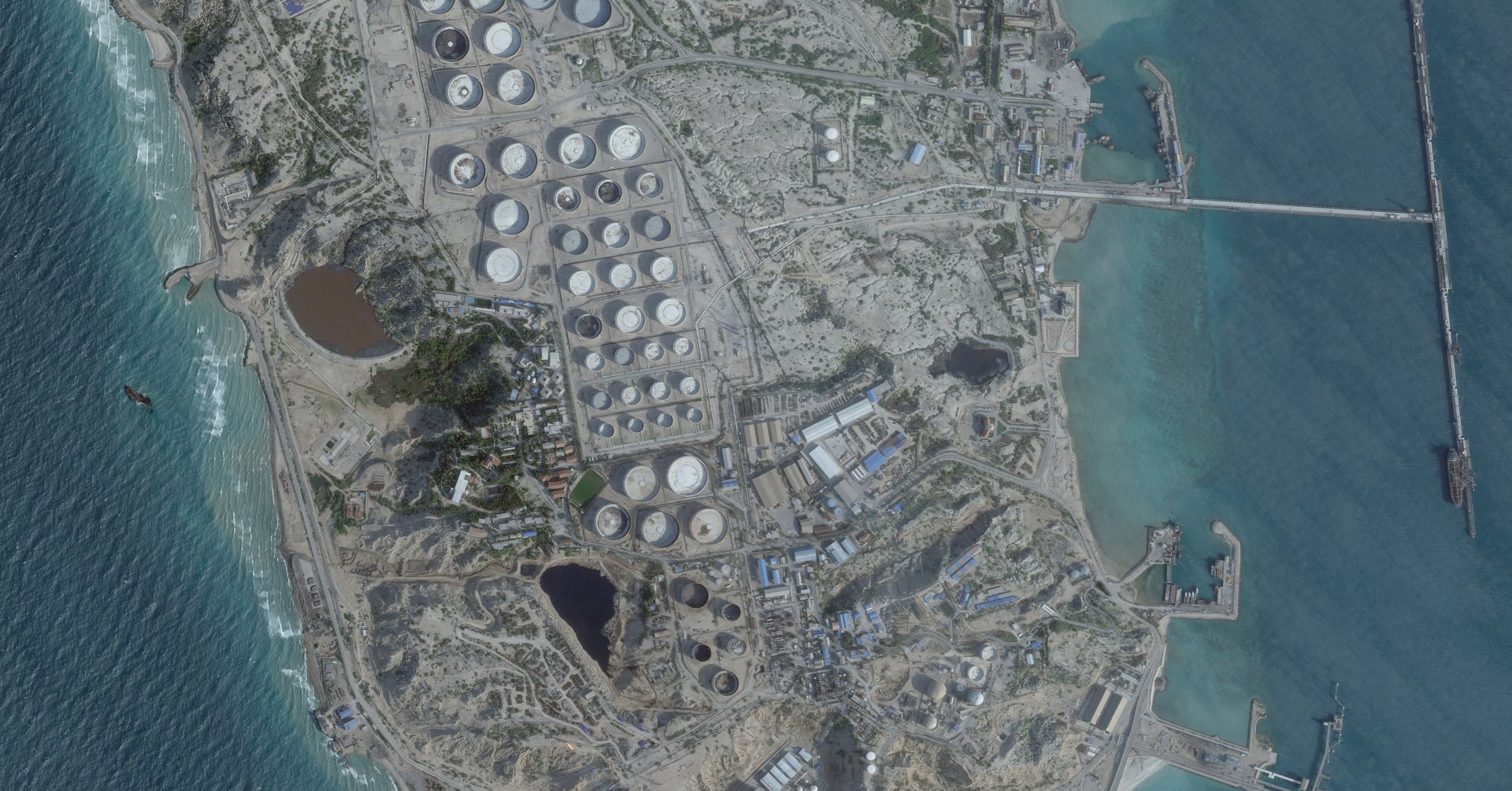
US bombs Kharg Island military targets as Iran war hits day 14
Sparing oil terminals, Trump turns Iran's export hub into a hostage
Six U.S. service members killed in Iran war as interceptor missile stocks run low
Pentagon knew since 2019 that $20,000 drones could exhaust $4 million interceptors
Three U.S. servicemen killed in Iran as Operation Epic Fury begins
1,000 targets struck in two days as Congress prepares war powers vote

They all promised no regime change in Iran. The record says otherwise
Trump, Vance, Hegseth, Rubio said it. Greene and Carlson documented the betrayal

Defense Secretary Pete Hegseth says forces will show no quarter in Iran
Pentagon's own Law of War Manual calls such orders a war crime
Trump gives four different reasons for the Iran war in four days
No national address, six dead Americans, and no agreed reason why
24 questions
Start the review