ImmigrationConstitutional LawGovernment
March 5, 2026Trump fires Noem, names Mullin DHS secretary — but the law may block it
Mullin can't legally serve as acting DHS secretary while awaiting Senate confirmation

Photo: Elizabeth Frantz / Reuters
Kristi Noem became the first secretary fired in Trump's second term on March 5, 2026. Trump announced her removal and named her replacement in a single Truth Social post, with no advance warning to Noem or her staff.
Noem had been one of Trump's most loyal public allies since 2020. Her firing showed he'll cut loose even close allies when they become a political liability. CBS News
The immediate trigger was Noem's Senate Judiciary Committee testimony the week before her firing. She confirmed that DHS signed a $220 million no-bid contract with a public relations firm to promote Trump's immigration crackdown. She also confirmed that Trump personally approved the spending.
That admission implicated the president in the very contract senators were grilling her about. It made her presence at DHS untenable. CBS News Washington Post
The committee also pressed Noem about an ICE operation in Minneapolis where agents fatally shot two U.S. citizens. Noem struggled to explain the legal authority for the shootings and couldn't provide a clear account of what happened. The combination of the contract testimony and the Minneapolis questions turned her Senate appearance into a two-day liability for the administration. CBS News
Trump named Sen. Markwayne Mullin (R-OK) as Noem's replacement, effective March 31. Mullin is a two-term senator, former House member, and close Trump ally who sits on the Senate Armed Services Committee. He's known for confrontational style. In December 2023, he challenged Teamsters president Sean O'Brien to a physical fight during a Senate hearing.
Trump's announcement framed the transition as straightforward. The law says otherwise. CNBC
The (FVRA) creates a specific legal barrier. Sitting members of Congress can't serve as acting officers for Senate-confirmed executive positions. That means Mullin can't legally run DHS even temporarily while he waits for his confirmation vote.
If Mullin isn't confirmed before March 31, the role goes to DHS Deputy Secretary Benjamine 'Bennie' Huffman by default. Thomas Berry of the Cato Institute said there are 'a couple of reasons' Mullin can't legally serve as acting secretary before confirmation, and that any actions he takes in that capacity could be challenged and voided in court. Just Security NPR
Mullin still needs to formally resign his Senate seat, receive an official nomination, and clear a hearing. The Homeland Security Committee will question him under oath on the $220 million contract, the Minneapolis shootings, and DHS's civil liberties record.
Mullin's Senate resignation creates a secondary consequence. Oklahoma Gov. Kevin Stitt (R) must appoint a registered Republican to fill the seat. The seat expires in November 2026, when Mullin's term was already set to end, so no special election is required.
The vacancy temporarily reduces the Senate Republican caucus by one seat during any close votes in the transition window. NewsNation
The $220 million no-bid contract is the unresolved story underneath the personnel change. No-bid contracts bypass the competitive bidding process that federal procurement law typically requires. DHS awarded this one to promote the administration's own immigration enforcement — a political communications function funded with taxpayer money.
Neither Noem's firing nor Mullin's nomination answers who selected the contractor, who approved the terms, or whether the spending was legal. Those questions will land in Mullin's lap at his confirmation hearing. DHS Washington Post
Related Topics
6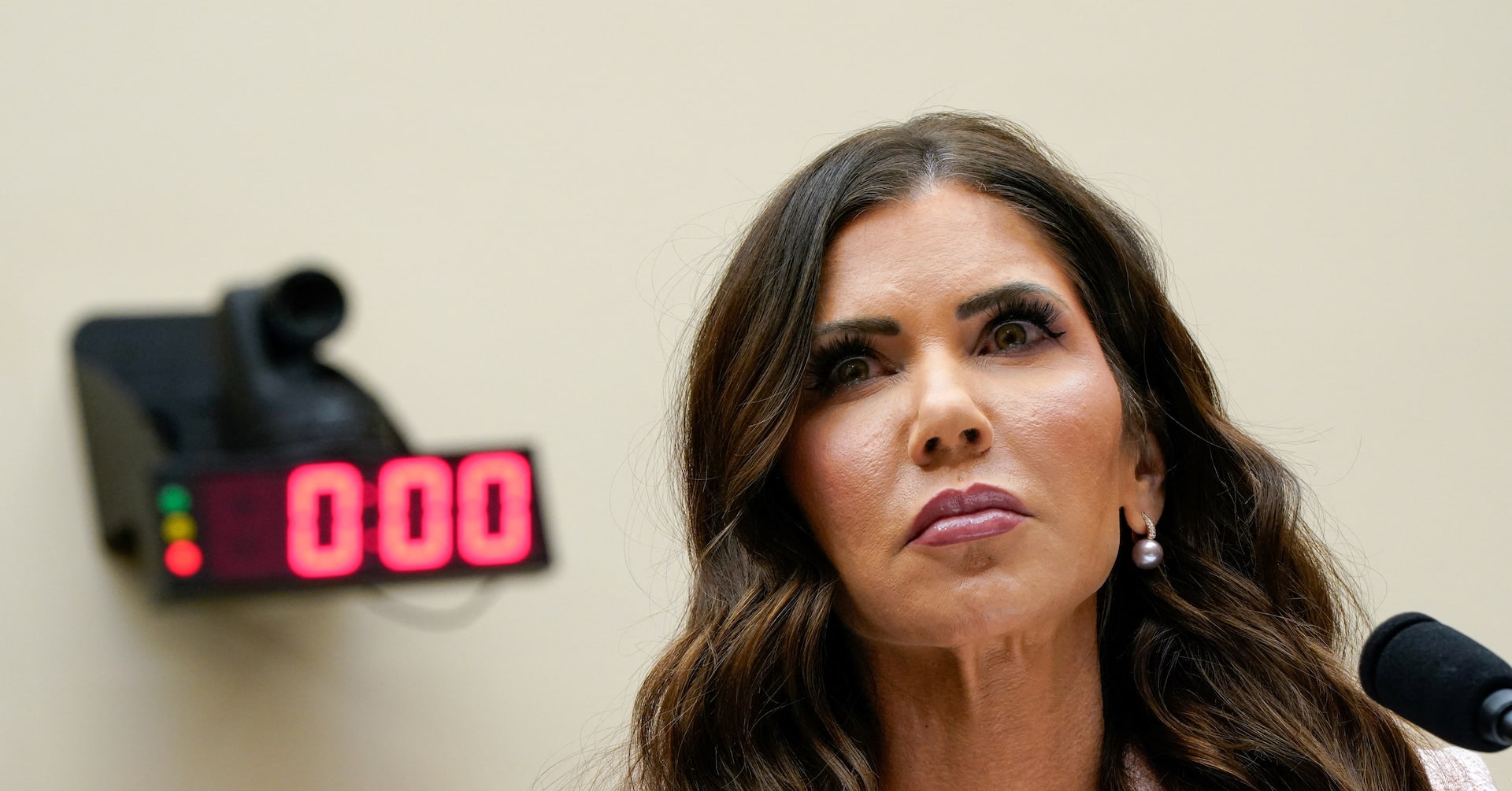
Trump fires Noem after she testifies he approved $220M ad campaign, contradicting his public denial
Noem is the first Cabinet secretary fired in Trump's second term, Mullin confirmation opens Oklahoma Senate seat
Noem's $220M self-deportation ads went to no-bid contractors with Trump campaign ties, House investigation finds
Neguse confronts Noem with contracting records that contradict her sworn testimony

CBP report admits two agents shot Alex Pretti but won't say if he had a gun
Internal report contradicts DHS claims that Pretti wanted to "massacre law enforcement"

Trump considers executive order requiring banks to collect citizenship data
Banks call proposed citizenship data order "unworkable" — half of Americans lack passports
Trump withdraws 700 ICE agents from Minnesota after fatal Minneapolis shootings spark backlash
Border Czar confirms mass deportations continue despite president's rhetoric

DC Circuit rules Trump can fire labor board members at will
Ruling dismantles 90-year precedent protecting agency independence from presidential control
21 questions
Start the review