Jury finds Live Nation-Ticketmaster ran an illegal concert monopoly
40 states proved concert fans were overcharged — a corporate breakup is now possible
📈Trade⚖️Justice🏛️Government💰Economy
40 states proved concert fans were overcharged — a corporate breakup is now possible
A federal jury in the U.S. District Court for the Southern District of New York found on April 15, 2026, that Live Nation Entertainment and its subsidiary Ticketmaster operated an illegal monopoly in the live concert venue and ticketing market. The verdict came after a five-week trial and four days of deliberations. The jury ruled in favor of 33 states and Washington, D.C., finding on every count that Live Nation used anticompetitive conduct to maintain its dominant market position at the expense of venues, artists, and fans.
The jury found that Ticketmaster overcharged concertgoers by $1.72 per ticket at major concert venues as a direct result of its anticompetitive behavior. Federal antitrust law allows courts to award treble damages — three times the actual harm — under the Clayton Act (15 U.S.C. § 15). With tens of millions of tickets sold annually, the potential total damages could reach into the billions before the treble multiplier is applied.
Live Nation controls roughly 70% of large concert venue ticketing in the United States and promotes approximately 60% of major live acts. The company was formed through a 2010 merger between Live Nation, the concert promoter and venue operator, and Ticketmaster, the dominant ticket sales platform. The Obama-era Department of Justice approved the merger with behavioral conditions, including a consent decree requiring Live Nation to license its ticketing technology to competitors. Critics argued for years that the consent decree was too weak to prevent the combined company from using venue control to squeeze out competing ticket services.
The 40-state coalition brought the antitrust case independently after concluding the federal consent decree wasn't working. State attorneys general have independent authority to enforce federal and state antitrust law and can pursue cases the federal government declines to push aggressively. This is a core principle of American federalism: state enforcement serves as a backstop when federal regulators settle cases without achieving meaningful structural change.
Judge Arun Subramanian of the Southern District of New York will now preside over a separate remedies phase. The states have asked for two forms of relief: monetary damages tripled under the Clayton Act, and structural remedies including a potential court order requiring Live Nation to sell Ticketmaster or divest its venue holdings. A structural breakup would be the most significant antitrust remedy imposed on an American company since the AT&T breakup in 1984.
Live Nation has said it plans to appeal. The appeal will likely center on market definition — Live Nation argued the relevant market should include streaming and other entertainment options, which would reduce its apparent market share. The timeline from verdict to final remedy order typically takes 12 to 24 months in complex antitrust cases.
The case has direct implications for federal antitrust policy under the Trump administration. Acting Attorney General  Todd Blanche has not signaled whether the DOJ will participate in the remedies phase or support the states' request for structural relief. The original 2010 consent decree was negotiated by the Obama DOJ; the Trump administration could argue the existing decree is sufficient and oppose further breakup orders. How the administration responds will reveal its posture on corporate concentration.
For consumers, the practical question is whether a breakup or damages award actually lowers ticket prices. Economic research on prior antitrust breakups is mixed: the AT&T breakup produced lower long-distance prices over time, but the Microsoft remedy had limited effect on market dominance. The Live Nation verdict is a liability finding only — what happens to the concert industry depends entirely on the remedies Judge Subramanian orders.
U.S. District Judge, Southern District of New York
Chief Executive Officer, Live Nation Entertainment
Former Chairman, Ticketmaster; prominent artist manager
Attorney General, State of New York
Attorney General, State of California
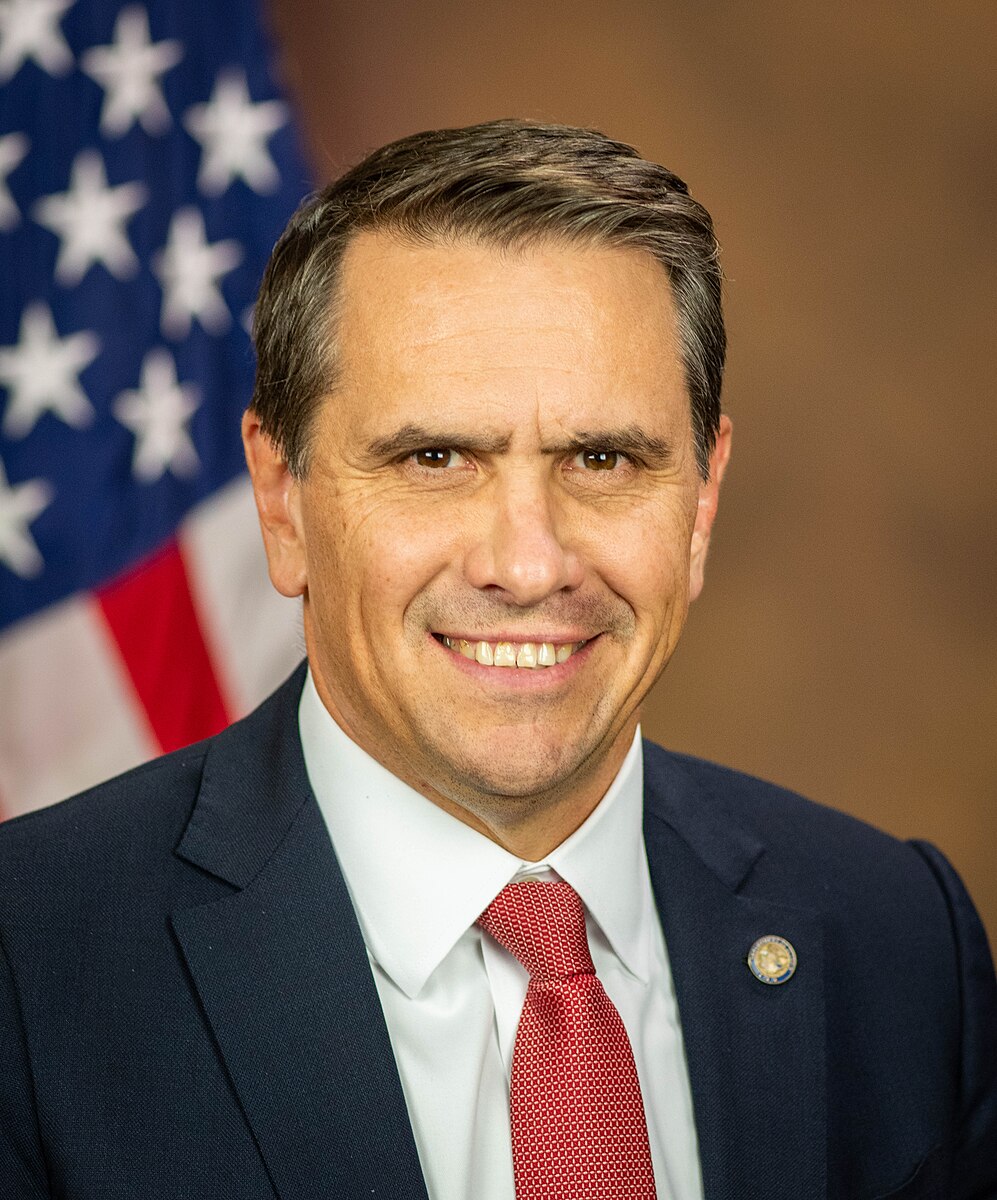
Acting U.S. Attorney General
Apple Fellow; testified at trial as concert industry witness
civic action
File a consumer complaint with your state attorney general about concert ticket fees
Every state AG handles consumer protection complaints. If you've paid hidden service fees on concert tickets, your state AG wants to know. Consumer complaints become evidence in antitrust and consumer protection investigations.
I'd like to file a consumer complaint about Ticketmaster and Live Nation's ticket pricing practices. I purchased tickets for [event] and was charged [amount] in service fees. I believe these fees resulted from the anticompetitive monopoly that a federal jury found Live Nation guilty of on April 15, 2026. I'd like to know what relief my state is seeking in the remedies phase of the federal case.
civic action
Contact your senators to push DOJ to support structural antitrust remedies
The Senate Judiciary Committee oversees antitrust enforcement. Senators can pressure the DOJ to support the states' request for a breakup rather than defending the existing consent decree that clearly didn't work.
I'm calling about the Live Nation antitrust verdict. A jury found on April 15 that Live Nation and Ticketmaster ran an illegal monopoly that overcharged concert fans. I want Senator [name] to call on the DOJ to support the states' request for structural remedies — including a potential breakup — rather than defending the 2010 consent decree that clearly didn't work.
civic action
Support federal ticket transparency legislation
Congress has considered bills requiring upfront fee disclosure and limiting exclusive venue ticketing agreements, including the TICKET Act. Contacting your representative about these bills pushes for legislative reform alongside the court case.
I'm calling about ticket industry reform. A federal jury found that Live Nation and Ticketmaster ran an illegal monopoly. I'd like Representative [name] to support the TICKET Act or similar legislation requiring upfront fee disclosure and limiting exclusive venue ticketing contracts.