Judicial Review · Civil Rights · Elections · Electoral Systems·May 13, 2026
Mississippi governor cancels redistricting session after court ruling
Governor blocks mid-cycle redistricting that would have nullified Mississippi primaries

Gov.  Tate Reeves canceled a special legislative session on May 13, 2026, removing the immediate threat to Mississippi's congressional map two months after voters already chose their primary candidates. The session was originally called to redraw state Supreme Court districts after a federal judge ordered new lines under the 📖Voting Rights Act. But the 5th Circuit Court of Appeals vacated that order on May 11, citing the U.S. Supreme Court's April 29 decision in Louisiana v. Callais that narrowed Section 2 protections.
 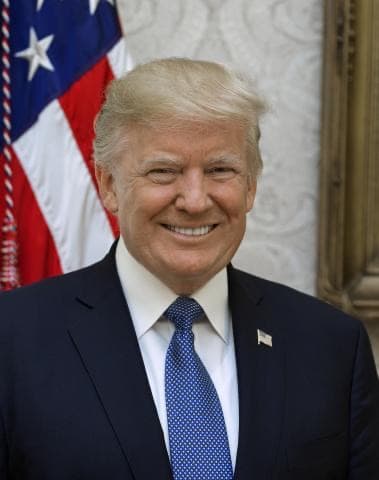 Trump and Republican lawmakers had pressured Reeves to add congressional 📖redistricting to the session agenda, targeting Rep. Bennie Thompson's majority-Black 2nd District. Reeves refused the expansion, citing logistical constraints from the March 10 primaries already completed. The cancellation handed Democrats a temporary reprieve in the broader Southern 📖redistricting push but left the door open for map changes before 2027 statewide elections.
Key facts
Gov. Tate Reeves announced on May 13, 2026 that he was canceling a special legislative session originally scheduled for May 20. The session was meant to redraw Mississippi's three state Supreme Court districts after U.S. District Judge Sharion Aycock ruled in 2025 that the current lines violated Section 2 of the 📖Voting Rights Act by diluting Black voting power.
Reeves cited a that vacated Aycock's order entirely. The appeals court acted after both sides agreed the legal landscape had shifted following the U.S. Supreme Court's decision in Louisiana v. Callais.
The 5th Circuit's decision came just 12 days after the Supreme Court issued its on April 29, 2026. The majority found that Louisiana's creation of a second majority-Black congressional district amounted to unconstitutional 📖racial gerrymandering, holding that Section 2 of the 📖Voting Rights Act didn't compel such race-conscious mapmaking.
Justice Alito wrote for the majority that redistricters who rely predominantly on race must satisfy strict scrutiny. The ruling effectively raised the bar for plaintiffs challenging electoral maps under Section 2, reversing decades of precedent that had expanded minority representation across the South.
President Trump and several Republican state lawmakers to add congressional 📖redistricting to the 📖special session's agenda. The target was Mississippi's 2nd Congressional District, a majority-Black seat held by Rep. Bennie Thompson since 1993. The district's population is approximately 64% African American.
Trump's push fit a broader national strategy to flip Democratic-held seats before the 2026 midterms. With the Callais decision removing the legal shield that had protected majority-minority districts, Republican operatives saw an opening to redraw Thompson's seat into one or more Republican-leaning configurations.
Reeves declined to expand the session's scope to include congressional maps. He pointed to a : Mississippi held its primary elections on March 10, 2026. Thompson won his Democratic primary against challenger Evan Turnage. All four congressional incumbents advanced.
Redrawing districts after primaries would have required the state to nullify those results and hold entirely new elections. No state had attempted mid-cycle 📖redistricting after primaries in modern history, and Reeves concluded the legal and logistical risks outweighed the partisan gains.
Reeves used inflammatory language when discussing Thompson, posting on social media that . The governor referenced Thompson's role chairing the House January 6th Committee investigation and framed the future 📖redistricting as inevitable.
Thompson responded by calling the 📖redistricting push and compared it to historical disenfranchisement of Black voters. He said he would fight until Hell freezes over against any effort to dismantle the majority-Black district.
The cancellation delivered a setback to House Speaker  Mike Johnson's strategy for maintaining the Republican House majority. Fox News characterized the decision as a , with hopes of a 4-0 Republican Mississippi delegation before November now effectively dead.
Reeves framed the delay as temporary. He said the question isn't if but when, and that he expects lawmakers to redraw congressional, state legislative, and Supreme Court district lines before the 2027 statewide election cycle.
House Speaker 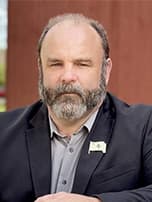 Jason White responded by on May 6 to study maps over the summer and fall. The committee includes 11 Republicans and 4 Democrats, co-chaired by Reps. Noah Sanford and Kevin Horan.
Lt. Gov. Delbert Hosemann one day after the session cancellation, signaling that both chambers intend to pursue 📖redistricting during the 2027 regular session.
Charles Taylor, executive director of the Mississippi State Conference of the NAACP, called the Supreme Court's Callais ruling . He said the decision restricts tools used to ensure fair representation for Black communities in a state where African Americans make up 38% of the population but hold just one of four congressional seats.
The Mississippi Center for Justice and allied organizations announced they would hold a at the Old Capitol building, starting with a press conference and march to the new Capitol. The date was chosen deliberately because it was the original session date.
A broader 📖redistricting wave swept the South after Callais. Louisiana's legislature was simultaneously to eliminate its second majority-Black district. Democrats warned that could lose seats through post-Callais 📖redistricting.
Axios reported that Reeves's cancellation gave on 2026 📖redistricting, but analysts noted this only delays the fight to 2027 when Mississippi will redraw all maps without the constraint of already-completed primaries.
Related Topics
3🗳️
Alabama asks Supreme Court to strip its second Black district
On May 8, 2026, the Alabama legislature passed a congressional map with one Black-majority district instead of two. Within one hour, Attorney General Steve Marshall filed emergency applications directly to the U.S. Supreme Court asking it to vacate a federal injunction that required the state to keep two Black opportunity districts through 2030. The legislature also authorized Governor Kay Ivey to call special summer primaries in four congressional districts if the Court agrees, voiding results from the May 19 primary already underway. A three-judge federal panel in the Northern District of Alabama denied the state stay request the same afternoon, ruling only the Supreme Court had authority to act. Justice Clarence Thomas, the circuit justice for the 11th Circuit, set a Monday deadline for plaintiffs to respond. The maneuver exploits the Supreme Court's April 29, 2026 ruling in Louisiana v. Callais, which gutted Section 2 of the Voting Rights Act and made it far harder for minority voters to challenge racially discriminatory maps.
91% match
28 questions
🗳️
Louisiana holds Senate primary while House races remain suspended
On May 16, 2026, Louisiana voters cast ballots in the state's Republican Senate primary between incumbent Bill Cassidy and Trump-backed challenger Julia Letlow, while all six U.S. House primary races sat frozen by Governor Jeff Landry's April 30 executive order. Landry invoked emergency election powers after the Supreme Court's 6-3 ruling in Louisiana v. Callais struck down the state's congressional map as an unconstitutional racial gerrymander. More than 42,000 absentee ballots already cast for House races won't be counted. The state legislature advanced Senate Bill 121 to redraw maps with a 5-1 Republican advantage, eliminating one of two majority-Black districts. House primaries were rescheduled to July 15. This marks the first time a state has held a partial federal election with some congressional races suspended mid-cycle due to redistricting.
91% match
26 questions
🗳️
SCOTUS guts VRA Section 2, opens redistricting to GOP
The Supreme Court ruled 6-3 on April 29 that Louisiana's second majority-Black congressional district was an unconstitutional racial gerrymander, a decision that fundamentally rewrites how Section 2 of the Voting Rights Act can be enforced. The case, Louisiana v. Callais, was authored by Justice Samuel Alito and effectively reinstates an intentional-discrimination standard that Congress had specifically repealed in 1982. Justice Elena Kagan read her dissent aloud from the bench, a rare signal of deep disagreement, saying the ruling renders Section 2 'all but a dead letter.' The ruling reverses a precedent set less than three years ago when the Court required Alabama to draw a second majority-Black district. Louisiana has roughly one-third Black population but had only one majority-Black district before court orders required a second; that second district is now invalidated. Political scientist Jonathan Cervas of Carnegie Mellon University, who has served as a special master in redistricting cases, said the Voting Rights Act 'as a means to protect minority voters from vote dilution is essentially dead.' Because most filing deadlines for 2026 elections have passed, the ruling's biggest redistricting impact is expected in 2028, when Republicans could redraw more than a dozen Democratic-held seats previously protected under the VRA.
90% match
25 questions
Related
Categories that may be relevant to you
5 topics available

May 23, 2026
DOJ scrubs hundreds of Jan. 6 prosecution records from website
May 22, 2026
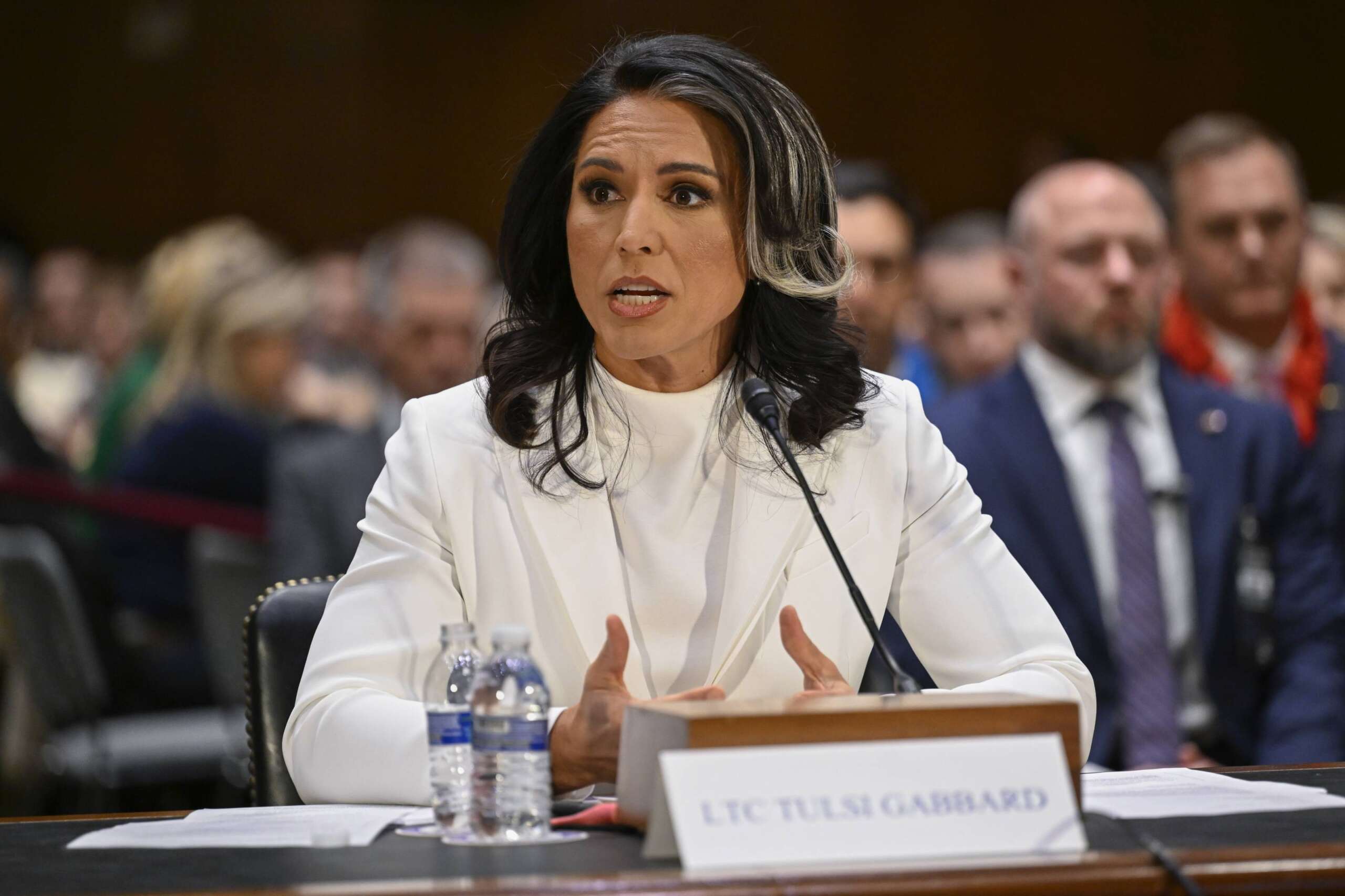
Gabbard resigns as director of national intelligence
May 22, 2026
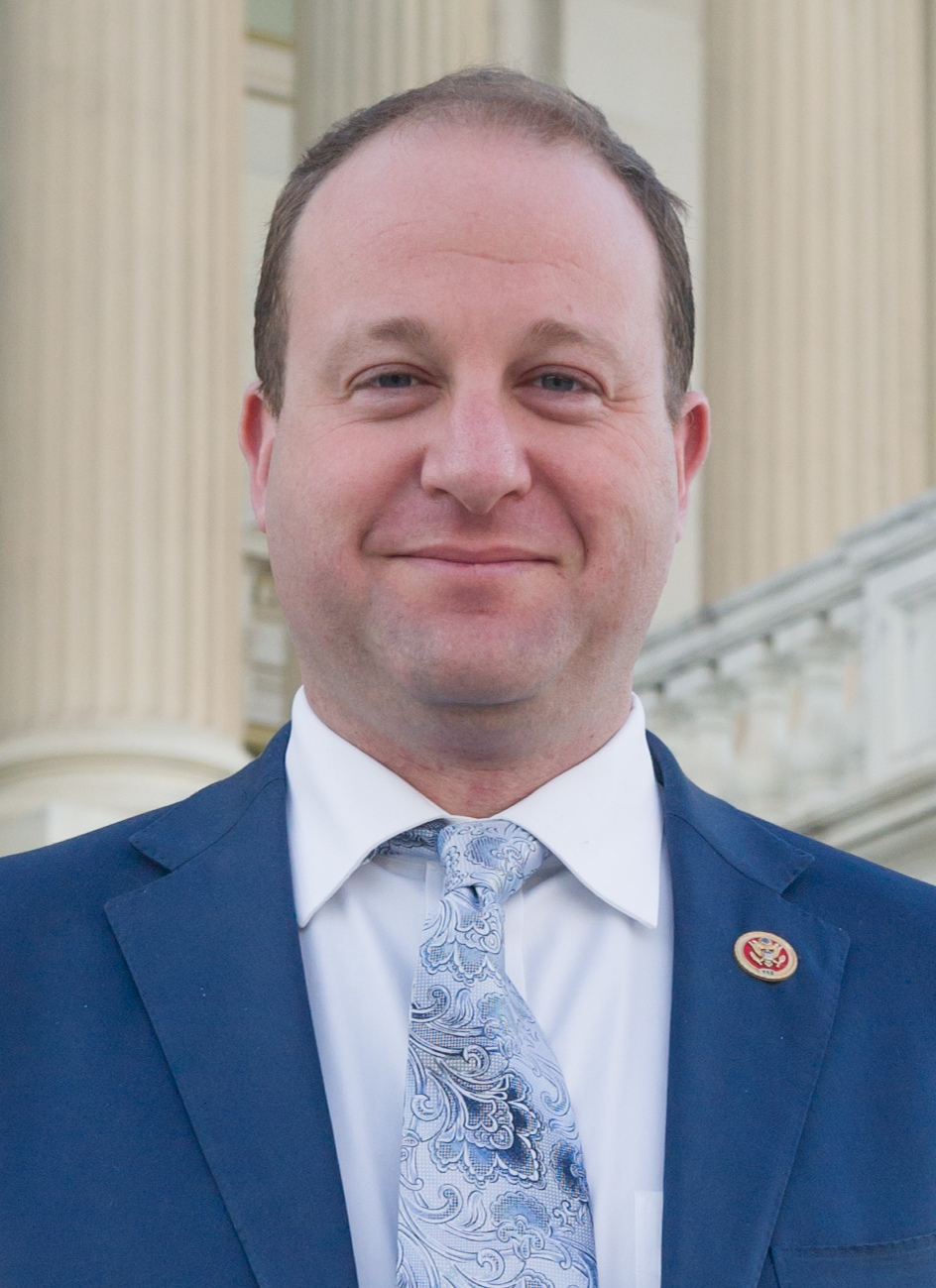
Colorado closes legal gap for defendants found unfit to stand trial
🔍
May 22, 2026
FTC fines Cox Media Group $930K for fake AI listening ad service
🏫
May 22, 2026
Tennessee governor signs Memphis schools state takeover into law
View All Government Topics
769 topics
38 questions
Start the review