National SecurityGovernment
October 1, 20251.3 million service members work without pay during shutdown
Federal activation stops paychecks for troops on domestic enforcement missions

The Oct. 1, 2025, government shutdown stopped paychecks for approximately 1.3 million active-duty service members, including all federally-activated National Guard members deployed across multiple states. A Defense Department memo dated Sept. 30 informed service members they would not be paid after that date until Congress approved new funding.
Congress has struggled to protect military pay during shutdowns since the founding-era practice of funding government by annual appropriations. The 1884 Antideficiency Act prohibits spending money Congress hasn't appropriated, which means troops must work without immediate pay during lapses. The Government Employee Fair Treatment Act of 2019 guarantees back pay once appropriations resume, but that law doesn't prevent the initial pay gap.
Trump activated National Guard units under Title 10 federal authority for immigration enforcement in Washington D.C., Oregon, and California starting in January 2025. Federal activations transfer pay authority to the Pentagon rather than state governors, meaning the shutdown hit federally-deployed Guard members directly. The D.C. deployment exceeded 2,200 troops at its peak.
Dual-Status Technicians, a special classification of full-time Guard employees who hold both federal civilian and military status, were among the hardest hit. These roughly 60,000 personnel nationwide wear their uniform every workday and couldn't access their civilian pay either, since their civilian employment is also federally funded.
Rep. Jen Kiggans introduced H.R. 5401, the Pay Our Troops Act, on Sept. 16 with 49 co-sponsors before the shutdown began. The bill grew to 122 House co-sponsors, including 118 Republicans, but Senate Majority Leader John Thune never brought it to the floor for a vote.
Trump bypassed Congress on Oct. 11 by directing Hegseth to tap approximately $8 billion in unobligated fiscal year 2025 research, development, testing and evaluation funds to issue Oct. 15 paychecks. The move averted the first missed military payday of the shutdown, but it diverted funds Congress had appropriated for defense research, not personnel costs.
Retired Maj. Gen. Francis McGinn, the NGAUS president, called the workaround a relief but noted it didn't resolve the underlying problem: Congress had still failed to fund the military.
The Dec. 2018-Jan. 2019 shutdown lasted 35 days and didn't stop military pay because then-Defense Secretary James Mattis used a similar fund-shifting mechanism early in that lapse. The 2025 shutdown risked lasting longer: Senate Democrats blocked a short-term continuing resolution over demands to extend ACA subsidy funding, while Republican hardliners resisted any spending deal.
National Guard members on federal activation can't easily return to civilian jobs mid-deployment. Many took unpaid leave from civilian employers to serve. The shutdown's double financial blow, no military pay and no civilian income, pushed families to military relief organizations. Food assistance appeared at installations including the Pierce County Readiness Center at Camp Murray, Washington, by late October.
Some healthcare providers denied TRICARE coverage to military dependents during the shutdown, compounding the financial strain. TRICARE is the Defense Department's health plan and requires active appropriations to process claims. The coverage interruptions affected Guard families who depend on TRICARE as their primary insurance during federal activations.
Related Topics
2
About 1.28M active-duty troops and 750K Defense civilians faced a payroll lapse in the 43-day 2025 shutdown
1.28 million troops worked without pay for 43 days
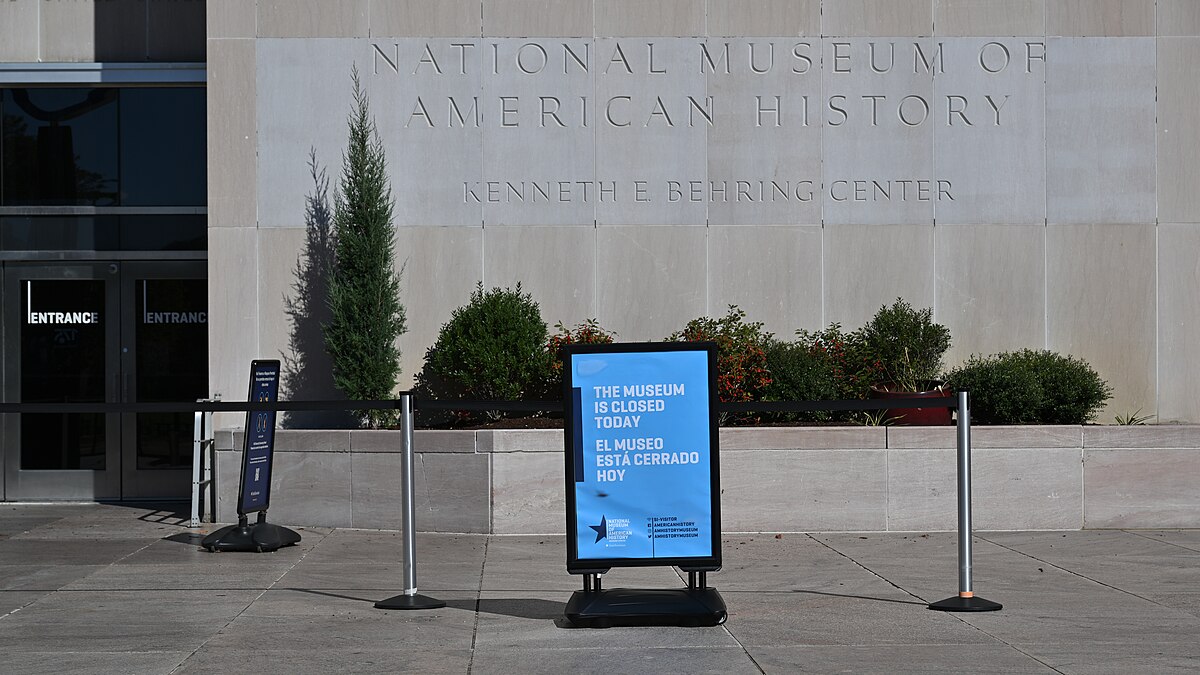
1.4 million federal workers await backpay after missing two full paychecks during shutdown
Federal workers wait for backpay as agencies struggle to process wages after longest shutdown
20 questions
Start the review