April 17, 2026
Judge blocks Nexstar-Tegna merger that would have dominated local TV
Judge blocks Nexstar-Tegna merger, overriding Trump administration approvals on antitrust grounds
📰Media Literacy📈Trade👨⚖️Judicial Review
April 17, 2026
Judge blocks Nexstar-Tegna merger, overriding Trump administration approvals on antitrust grounds
Nexstar Media Group proposed acquiring Tegna Inc. for $6.2 billion in a transaction that would combine the largest and second-largest local television station operators in the United States. Nexstar already owned approximately 200 television stations before the acquisition; Tegna owned approximately 64 stations. The combined entity would have operated 265 stations across 44 states, representing 90 percent more stations than the next-largest competitor. The deal would give Nexstar dominant control over local television advertising, local news programming, and broadcast journalism in dozens of markets across the country. ()
In an unusual decision, President  Donald Trump publicly endorsed the Nexstar-Tegna merger in February 2026, stating that the deal would create more competition against THE ENEMY, the Fake News National TV Networks. Trump said he wanted regulators to approve the deal to knock out the Fake News. This public endorsement by the sitting president in a media merger proceeding was extraordinary: the executive branch does not typically comment on pending transactions. Judge Nunley later wrote in his April 17 ruling that in unusual circumstances—with the FCCs quasi-adjudicatory licensing proceeding still pending—the President himself weighed in publicly in February and urged federal regulators to approve the deal. ()
On March 19, 2026, the same day Nexstar closed its acquisition of Tegna, the Justice Department announced it was closing its investigation of the deal through early termination. Early termination ended the antitrust review process sooner than required by statute, bypassing the full investigative timeline Congress intended. That same day, the Federal Communications Commission approved the deal without holding a full commission vote, allowing the transaction to proceed immediately. The next day, March 20, 2026, eight state attorneys general and DirecTV filed lawsuit against the merger, arguing it violated antitrust laws. Judge Nunley later noted that the DOJs early termination was unusual and did not shield the deal from antitrust scrutiny. ()
On April 17, 2026, late Friday afternoon, Judge Troy L. Nunley issued a preliminary injunction halting the merger. Nunley found that the plaintiffs—eight Democratic state attorneys general and DirecTV—had demonstrated a prima facie case that the merger creates a reasonable probability of anticompetitive effect. The judge wrote that the merger is presumed likely to violate antitrust laws. Nunley rejected Nexstars arguments that streaming services and digital platforms constituted alternative competition, siding with DirecTVs contention that customers do not consider streaming to be a reasonable substitute for local broadcast television. The injunction required Nexstar to keep Tegna as a separate, independently managed business unit with separate books, records, and decision-making. ()
The eight state attorneys general who sued to block the Nexstar-Tegna merger were all Democrats: California (Rob Bonta), Colorado, Connecticut, Illinois, New York (Letitia James), North Carolina, Oregon, and Virginia. New York Attorney General Letitia James called the preliminary injunction a critical victory. California Attorney General Rob Bonta stated that consolidating hundreds of local TV stations under one corporate owner would mean higher prices and lower quality programming for consumers. These state attorneys general invoked their authority under the Clayton Act to challenge anticompetitive mergers, asserting state-level enforcement power independent of federal approval. ()
Judge Nunley rejected Nexstars argument that the FCC clearance process constituted sufficient antitrust review. Nunley wrote that the FCC clearance process for the deal was unusual and that the regulatory oversight did not curb the manifest anticompetitive effects of this acquisition. He distinguished FCC licensing authority from antitrust analysis, noting that the FCC has different statutory authority and is not tasked with antitrust enforcement. Judge Nunley also considered the Department of Justices early termination of its antitrust investigation to be unusual and not dispositive of antitrust questions. This holding creates potential precedent that future federal regulatory approvals do not shield mergers from state and private antitrust challenges. ()
Judge Nunley concluded that Nexstar integration efforts were exactly those that would make it more difficult to divest Tegna stations if the merger was ultimately prohibited. Nunley wrote: The Court agrees with Plaintiffs that Defendants integration efforts are exactly those that would make it more difficult to divest TEGNA stations, as they will eliminate competition and result in newsroom layoffs and shutdowns. This finding meant that allowing Nexstar to integrate Tegna operations would destroy the companys ability to be sold separately to another buyer, making the merger irreversible. The preliminary injunction required operational separation until the lawsuit was fully resolved, preserving the possibility of divestiture if antitrust claims ultimately succeeded. ()
The case now enters full litigation, with the plaintiffs having until April 30 to file amended complaints and a trial on the merits of the antitrust claims pending. Nexstar announced it would appeal the preliminary injunction to the Ninth Circuit Court of Appeals, arguing that the court ignored federal FCC and DOJ approvals and misapplied antitrust standards. However, the preliminary injunction remains in effect during the appeal process, keeping Nexstar and Tegna as separate entities. The litigation will determine whether the merger can proceed at all or must be permanently blocked. This extended uncertainty complicates Nexstars business strategy and investor expectations, as the company cannot realize projected $300 million in synergies from newsroom consolidations and operational efficiencies. ()
U.S. District Court Chief Judge, Eastern District of California
Attorney General of California
Attorney General of New York
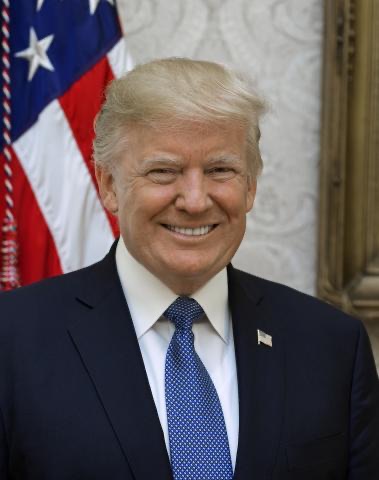
President of the United States
Chief Executive Officer, Nexstar Media Group
Chief Executive Officer, DirecTV
Former Federal Communications Commission Chairman; Trump appointee
Staff Attorney, CREDO Action; civil liberties advocate
research
Monitor the Nexstar-Tegna antitrust litigation through the Ninth Circuit appeal process
The preliminary injunction halted the merger, but Nexstar is appealing to the Ninth Circuit Court of Appeals. The litigation will determine whether the merger proceeds, is permanently blocked, or results in divestitures. Monitoring court filings, appellate decisions, and media coverage allows you to track whether state and private antitrust enforcement can override federal regulatory approvals in media mergers. This case sets precedent for future consolidation deals.
I am monitoring the Ninth Circuit appeal of the preliminary injunction blocking the Nexstar-Tegna merger. I will search the Ninth Circuit docket for filings from Nexstar and the state attorneys general, track oral argument schedules, and review decisions on the merger status. This allows me to understand how the appellate court weighs state antitrust enforcement against federal regulatory approvals.
civic action
Contact your state attorney general about local television competition
State attorneys general have independent authority to enforce antitrust law and protect local markets from consolidation. California, Colorado, Connecticut, Illinois, New York, North Carolina, Oregon, and Virginia are actively fighting the Nexstar-Tegna merger. You can contact your state AG to express support for antitrust enforcement in media mergers and to oppose local television consolidation. This strengthens state-level antitrust action and protects competitive local markets.
Hello, I am calling to express my support for your states antitrust enforcement against the Nexstar-Tegna merger. Local television stations play an important role in providing news and emergency alerts to our communities. Consolidating hundreds of stations under one owner reduces competition and threatens local journalism. Please continue fighting to block this merger and protect our local television markets.
legal resource
Support private antitrust enforcement by consumer and competitor groups
DirecTV filed suit alongside state attorneys general, demonstrating that private companies competing in affected markets can challenge mergers through antitrust litigation. Supporting organizations like the Brennan Center for Justice, Common Cause, and media advocacy groups amplifies antitrust enforcement. These groups fight media consolidation, fund litigation, and provide expert testimony. Your support strengthens private and civil society pressure on large mergers.
I am supporting media advocacy organizations that fight television consolidation and promote local news. The Brennan Center for Justice, Common Cause, and similar groups provide expert testimony, fund litigation, and educate the public about antitrust issues in media mergers. I will consider donating or volunteering to strengthen civil society pressure on consolidation deals that harm local communities.