Constitutional Law · Government·February 5, 2026
OPM strips civil service protections from 50,000 federal workers
50,000 career federal workers lose job protections under new OPM rule

On February 5, 2026, OPM Director Scott Kupor finalized a rule stripping 📖civil service protections from roughly 50,000 career federal employees. The rule reclassifies workers into a new "Schedule Policy/Career" category, converting them to at-will employees who can be fired without the appeals process other civil servants have.
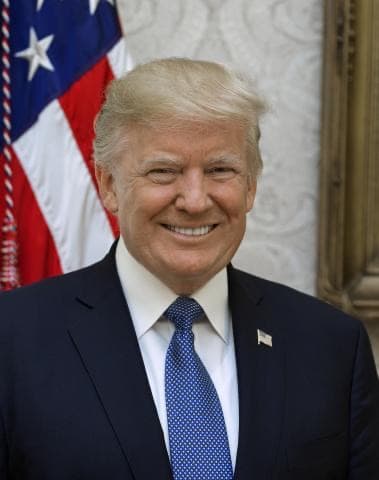 Trump signed Executive Order 14171 on his first day back in office (January 20, 2025), reviving his original 2020 Schedule F proposal that Biden had rescinded. The rule targets employees whose work "influences" policy—including those who draft regulations, edit policy documents, or advise agency leaders across 80 federal agencies. Democracy Forward president
  Skye Perryman vowed to return to court to block it, calling it "a deliberate attempt to do through regulation what the law does not allow." The rule also guts whistleblower protections by forcing employees to report fraud and abuse to their own agency's general counsel—a political appointee—instead of the independent Office of Special Counsel. OPM received 40,500 public comments (the most in agency history), with 94% opposed to the change. The rule takes effect March 8, 2026.
Key facts
OPM Director Scott Kupor announced the final rule on Feb. 5, 2026. It creates a new job classification called "Schedule Policy/Career" for federal employees whose work involves policy. About 50,000 workers, roughly 2% of the federal workforce, will be affected.
The rule makes these employees "at-will" workers. That means they can be fired without the protections that other civil service employees have, like appeals to the Merit Systems Protection Board. Their job security becomes similar to that of political appointees who serve at the president's pleasure.
OPM defines "policy positions" broadly
It includes employees who draft or edit policy documents, offer policy advice to agency leaders, or develop regulations
The rule doesn't just target senior officials It reaches career employees at multiple levels across every federal agency.
The rule also changes how these workers report waste, fraud, or abuse
Previously, federal whistleblowers could take complaints to the independent Office of Special Counsel
Under the new rule, they must report concerns within their own agency The agency's general counsel, a political appointee, will review the complaints.
Trump first proposed Schedule F in October 2020, near the end of his first term
He didn't have time to implement it before leaving office
President Biden rescinded it on his first day Trump revived it on Jan. 20, 2025, the day he returned to the White House.
During the public comment period, OPM received 40,500 comments on the proposed rule. That's the most in OPM's history. 94% of those comments opposed the change. OPM's senior advisor Noah Peters told agency HR leaders that many comments reflected "a misunderstanding" about the rule.
The American Federation of Government Employees (AFGE) said the rule opens the door to political patronage. AFGE president  Everett Kelley said OPM is "rebranding career public servants as policy employees, silencing whistleblowers, and replacing competent professionals with political flunkies."
Democracy Forward, which led an earlier lawsuit to block the policy, vowed to return to court. President Skye Perryman said the rule is "a deliberate attempt to do through regulation what the law does not allow."
Federal judges had paused the earlier litigation while rulemaking was underway. That case will now resume.
The rule takes effect in 30 days. After that, Trump will issue a separate executive order officially designating which positions will move to the new classification. Agency heads have already submitted lists of recommended positions to OPM.
The final rule was published in the Federal Register on February 7, 2026, and takes effect 30 days later on March 8, 2026. After that effective date, Trump will issue a separate executive order officially designating which 50,000 positions will move to the new classification. Agency heads have already submitted their recommended lists to OPM.
The rule implements a key Project 2025 recommendation. Heritage Foundation's 927-page policy blueprint explicitly advocated for Schedule F as a tool to replace career civil servants with political appointees. Project 2025 suggested that up to 500,000 federal jobs could eventually be reclassified to expand presidential control over the federal bureaucracy.
The National Treasury Employees Union (NTEU) filed a lawsuit to block the policy and submitted extensive comments warning that the rule would allow agencies to engage in prohibited personnel practices, subject employees to political coercion, and hire based on nepotism instead of merit. NTEU joins AFGE and Democracy Forward in coordinated legal challenges.
Related Topics
5👥
Connolly-Fitzpatrick bill targets Schedule F in bipartisan pushback
Rep. Gerry Connolly (D-VA) and Brian Fitzpatrick (R-PA) — along with Kweisi Mfume (D-MD) and Don Bacon (R-NE) — introduced H.R. 492, the bipartisan Saving the Civil Service Act, on January 16, 2025, to block Trump's Schedule F executive order (EO 14171, signed January 20, 2025). The order, which renamed Schedule F as "Schedule Policy/Career," reclassifies potentially 50,000–100,000 federal employees in "policy-influencing" positions as at-will workers who can be fired without traditional civil service protections. Senator Tim Kaine (D-VA) introduced the Senate companion, S. 134, on the same day.
96% match
22 questions
🏢
OPM fires 200,000 probationary workers under new federal rules
Starting Jan. 25, 2025, Trump began firing thousands of federal probationary employees across agencies from the EPA to Social Security. This unprecedented action affects how government services work and who controls the federal workforce that processes your benefits, enforces laws, and provides services.
95% match
14 questions
🏛️
OPM resurrects Schedule F stripping protections from career workforce
On January 20, 2025, Trump signed an executive order reinstating Schedule F under the new name "Schedule Policy/Career," reclassifying up to 50,000 federal workers in policy-influencing positions as at-will employees and stripping their civil service protections. On March 27, 2025, a separate executive order eliminated collective bargaining rights for workers at more than 30 federal agencies — affecting over 1 million unionized employees. Beginning in February 2025, the administration directed mass terminations of thousands of probationary federal employees; termination letters falsely cited "performance" reasons until court orders dated April 18, 2025 required corrective notices acknowledging a "government-wide mass termination." The Education Department cut nearly 50% of its staff (approximately 1,300 through reduction-in-force, plus ~600 who took voluntary separations), though fully eliminating the department requires an act of Congress. The National Renewable Energy Laboratory laid off 114 employees due to funding cuts to clean energy programs.
95% match
19 questions
🏛️
Trump reinstates Schedule F on Day 1, stripping civil service protections from 50,000 federal workers
Trump's first executive order Jan. 20, 2025, immediately revived Schedule F reclassifying tens of thousands of federal jobs outside civil service protections, allowing at-will firing of career officials for policy-influencing positions based on political loyalty.
93% match
15 questions
🏛️
Trump creates Schedule Policy/Career to strip civil service protections
On April 18, 2025, OPM proposed a rule creating "Schedule Policy/Career" — a renamed and expanded version of Schedule F — reclassifying approximately 50,000 career federal employees in policy-influencing roles as at-will workers. Employees in these positions can be fired without the merit-based protections that have governed civil service since 1883. In July 2025, Trump separately created Schedule G, a new category of non-career political appointees who serve at the president's discretion.
90% match
13 questions
Related
Categories that may be relevant to you
5 topics available
May 23, 2026
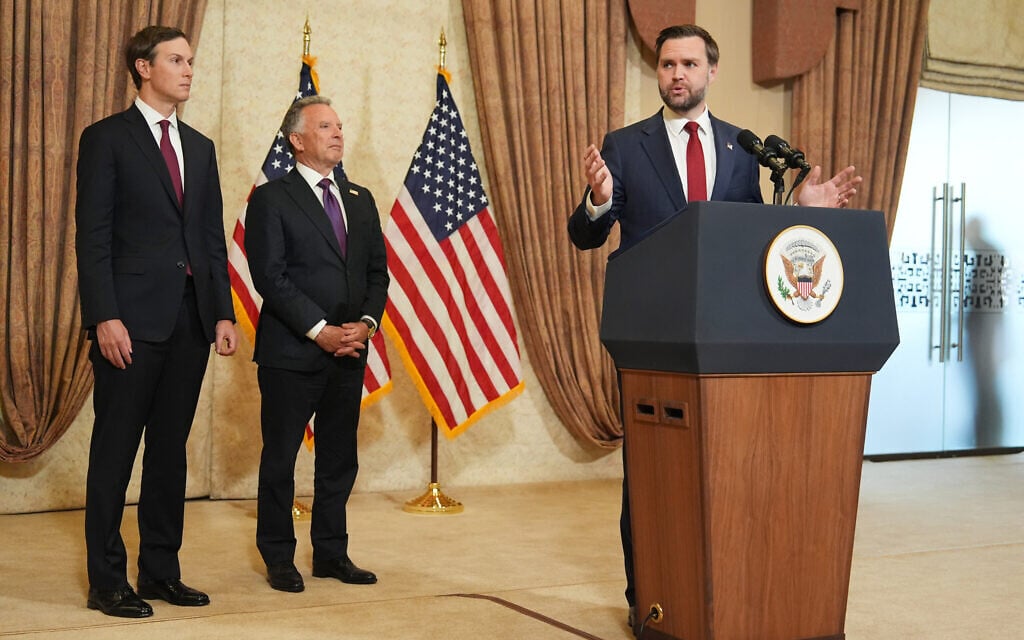
Trump declares Iran peace MOU largely negotiated
May 22, 2026
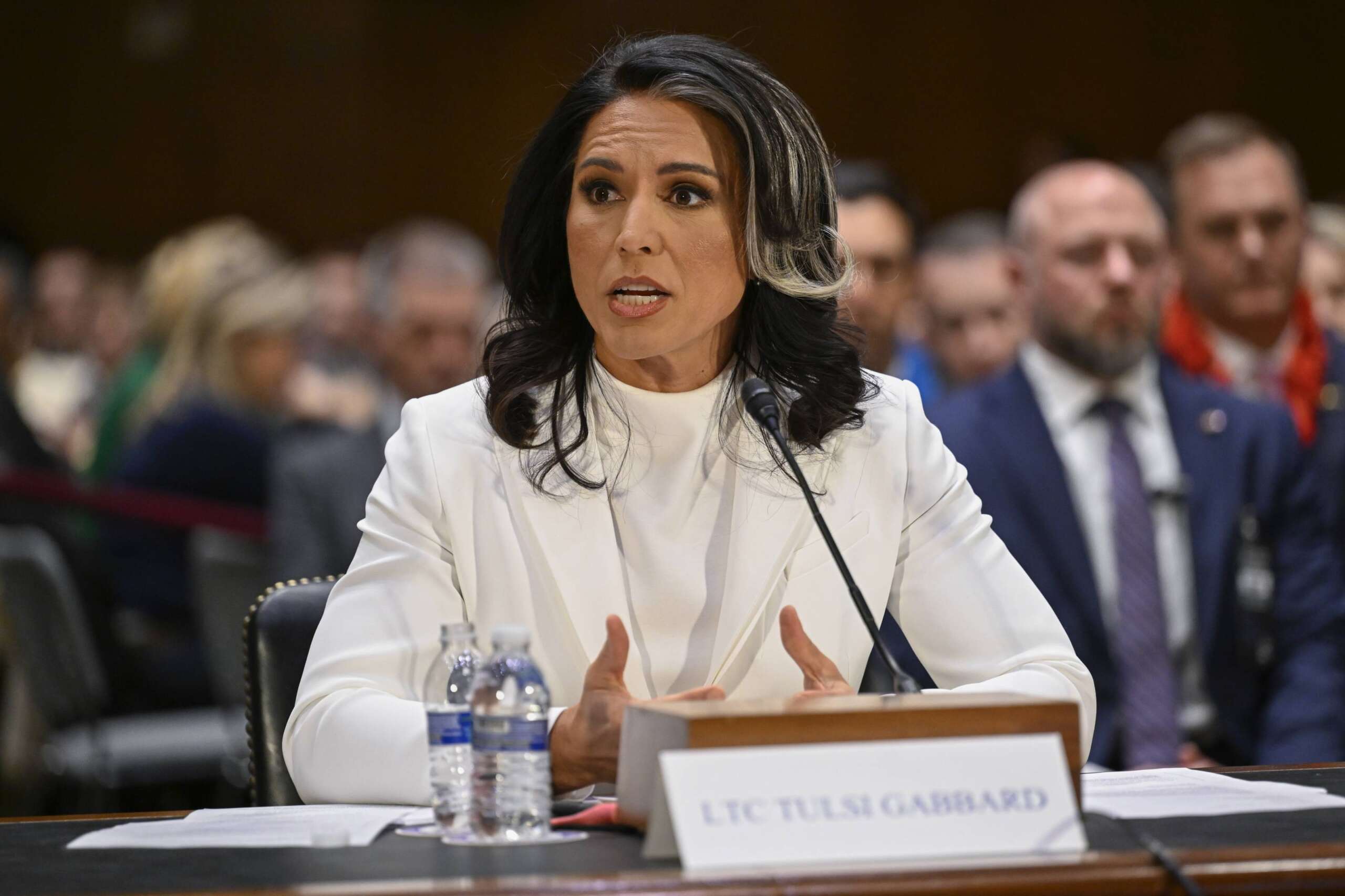
Gabbard resigns as director of national intelligence
May 21, 2026
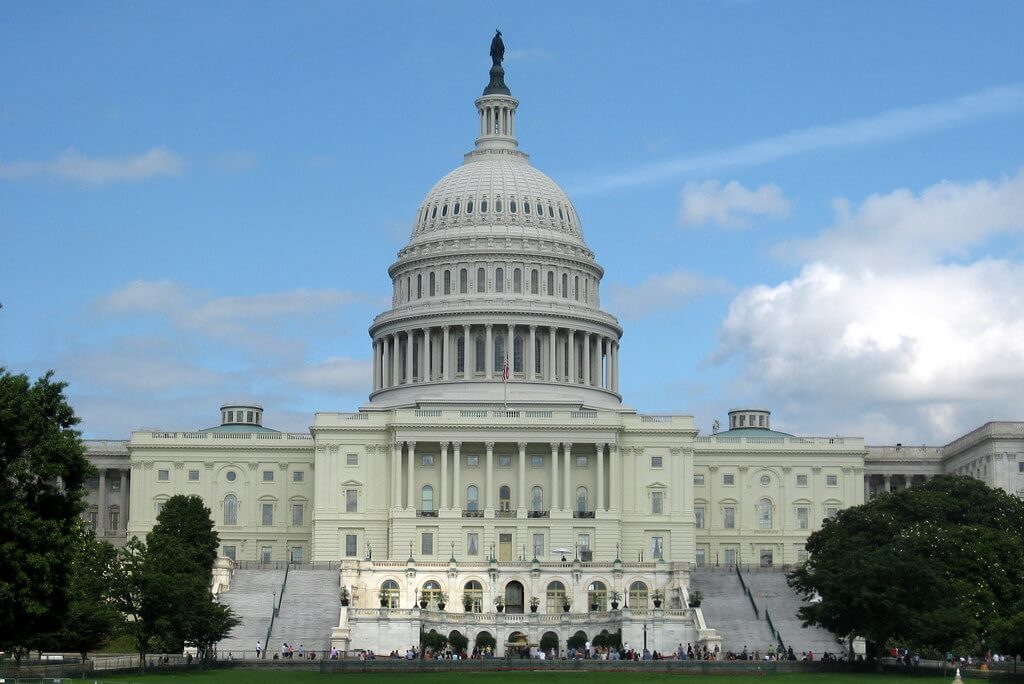
House GOP cancels Iran war powers vote, shielding Trump from rebuke
May 21, 2026
Supreme Court rules cruise lines liable for Cuba's confiscated docks

May 20, 2026
DOJ indicts Raul Castro over 1996 Brothers to the Rescue shootdown
View All Foreign Policy Topics
322 topics
21 questions
Start the review