Immigration · Infrastructure · National Security · Government·February 26, 2026
Pentagon laser shoots down a CBP drone in second Texas airspace incident
DoD, DHS, and FAA failed to coordinate again, closing airspace near El Paso

Photo: Luke Sharrett/Bloomberg/Getty Images
The U.S. military used a high-energy directed-energy laser on February 26, 2026 to destroy a drone near Fort Hancock, Texas, about 50 miles southeast of El Paso along the Mexican border. Military counter-drone operators identified the aircraft as an unknown threatening unmanned system inside military airspace and engaged it. The drone was operated by U.S. Customs and Border Protection. CBP had not told the Pentagon it was flying one in that area.
It was the second interagency incident in two weeks. On February 11, CBP used a Pentagon-loaned laser near Fort Bliss — about 50 miles northwest — to engage what its operators identified as a drone threat and destroyed a cluster of metallic party balloons. CBP had deployed the laser specifically to counter suspected Mexican cartel , despite FAA warnings that the technology had not been certified safe for use near commercial flight paths. It was the first domestic deployment of the system.
The FAA responded to the February 11 balloon incident by shutting down El Paso International Airport for approximately eight hours, canceling 14 commercial flights and diverting medical evacuation aircraft 45 miles to Las Cruces, New Mexico. An FAA notice to pilots included language warning that aircraft violating the restricted zone could be subject to use of deadly force — language pilots and controllers told reporters they had never before seen in a domestic airspace restriction.
An administration official confirmed to Axios that in the February 26 shoot-down, both CBP and the Pentagon believed they could operate the laser system without first obtaining FAA approval. Neither coordinated with the FAA before the engagement. The FAA was notified after the shoot-down occurred. The FAA expanded the existing Temporary Flight Restriction around Fort Hancock to a greater radius; the restriction runs through June 24, 2026, but does not affect commercial flights due to the area's remote location.
The Pentagon, CBP, and FAA issued a joint statement saying the military 'employed counter-unmanned aircraft system authorities to mitigate a seemingly threatening unmanned aerial system operating within military airspace,' that the incident 'took place far away from populated areas,' and that there were no commercial aircraft in the vicinity. The statement attributed both incidents to unprecedented cooperation to counter cartel and foreign terrorist drone threats at the southern border.
Democratic Reps. Rick Larsen, Bennie Thompson, and Andre Carson — officially notified through congressional channels — issued a joint statement saying Congress had passed a bipartisan bill months earlier to properly train counter-drone operators and establish formal coordination requirements between the Pentagon, DHS, and FAA. 'We said MONTHS ago that the White House's decision to sidestep a bipartisan, tri-committee bill...was a short-sighted idea. Now, we're seeing the result of its incompetence,' they said.
Sen. Tammy Duckworth called the situation alarming and formally requested that the Inspectors General of the Departments of Defense, Transportation, and Homeland Security launch a joint investigation into both the El Paso and Fort Hancock incidents. She called it a pattern of Trump administration incompetence causing chaos in U.S. skies.
Transportation Secretary Sean Duffy had publicly told reporters the week before that the El Paso airport closure was 'not a mistake' and 'not a communication issue,' contradicting multiple sources, lawmakers, and the FAA's own assessment. Reuters reported that the FAA had agreed to lift the El Paso restrictions only after the Pentagon agreed to delay further laser testing pending an FAA safety review — a deal the February 26 incident suggests was not honored.
The incident sits in the context of a broader FAA-Pentagon coordination failure pattern. The National Transportation Safety Board had previously flagged that the FAA and Army did not share safety data with each other about dangerous close calls around Reagan National Airport — a coordination failure cited in the January 2025 midair collision that killed 67 people. Congressional investigators say the same systemic failure is now playing out with directed-energy weapons at the southern border.
Related Topics
4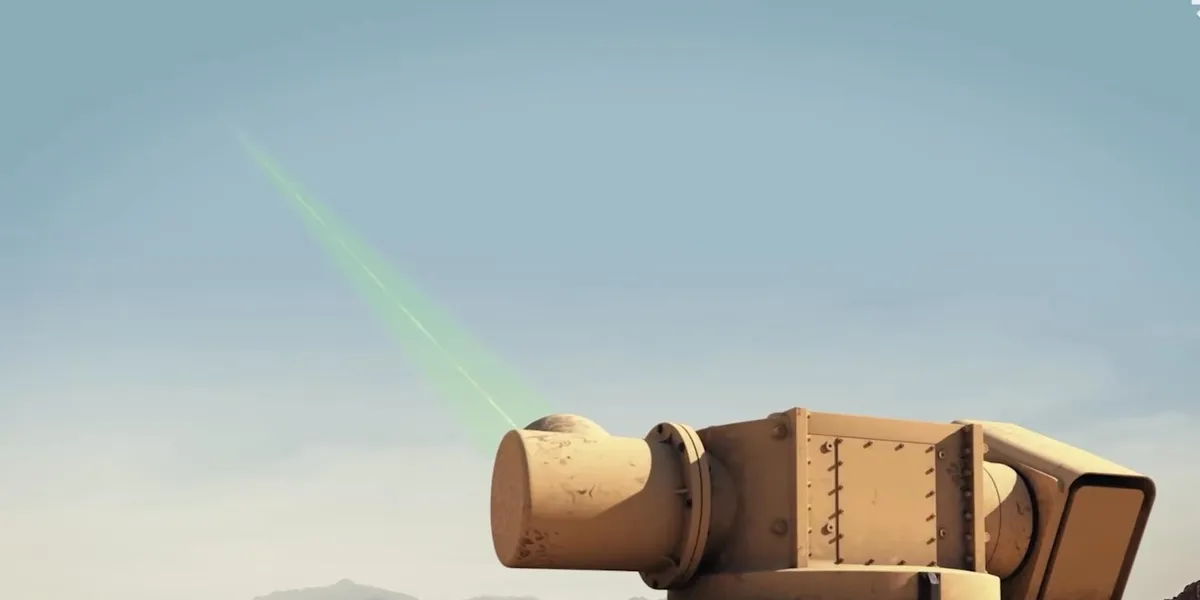
CBP anti-drone laser incident triggers El Paso airspace closure
Reports said officials targeted party balloons after public claims about cartel drones

Unidentified drones spotted over base where Rubio and Hegseth live
White House held a security meeting and weighed relocating both Cabinet secretaries

Army hid theft of four military surveillance drones from Fort Campbell for over four months
Stolen from an elite combat unit but Army did not disclose the theft until more than 16 weeks later
DHS shutdown enters fourth week as TSA lines hit 4 hours
260,000 federal workers unpaid as airports face spring break gridlock
15 questions
Start the review