May 1, 2026
Pentagon pulls 5,000 troops from Germany over Iran dispute

5,000 troops leaving Germany after chancellor criticized U.S. Iran strategy
🌍Foreign Policy🛡️National Security🏛️Government
May 1, 2026
5,000 troops leaving Germany after chancellor criticized U.S. Iran strategy
Defense Secretary  Pete Hegseth announced on May 1, 2026 that the United States will withdraw approximately 5,000 troops from Germany over the next six to 12 months. The withdrawal follows German Chancellor
  Friedrich Merz's public criticism of U.S. strategy on Iran, which Trump administration officials characterized as undermining allied solidarity during an active military confrontation.
The announcement came days after Merz said at a public forum that the Americans "clearly have no strategy" on Iran and that the United States was being "humiliated" by Iranian negotiators. President Trump responded on social media, telling Merz to "spend more time on ending" the Russia-Ukraine war and focus on "fixing his broken Country."
The United States has maintained a large military presence in Germany since the end of World War II. Germany hosts more than 35,000 U.S. troops, along with major military infrastructure including Ramstein Air Base — the largest U.S. Air Force base outside the United States — and Landstuhl Regional Medical Center, the largest U.S. military hospital outside the country.
The 5,000 troops being withdrawn represent roughly 14 percent of the total U.S. force in Germany. After the drawdown, more than 30,000 American troops will remain. Pentagon officials said the withdrawn troops would be reassigned to other locations, not demobilized.
Trump's threat to cut troops in Germany is part of a pattern of using U.S. military presence as leverage in allied relationships. Trump has repeatedly demanded NATO members increase defense spending to two percent of GDP and threatened to reduce U.S. commitments to allies that fall short. Germany in recent years increased its defense budget significantly but historically lagged behind the two-percent threshold.
The Germany troop withdrawal is not the first time Trump has made this move. During his first term, Trump ordered a reduction of U.S. forces in Germany from roughly 35,000 to 25,000 as a punitive measure. President Biden partially reversed that decision after taking office in 2021.
The withdrawal is directly connected to the U.S.-Iran conflict. The Trump administration launched an intensive air campaign against Iran beginning in early 2025 following Houthi attacks on U.S. Navy vessels and commercial shipping in the Red Sea. Trump declared the Iran conflict "terminated" in late April or early May 2026 after reaching a ceasefire, but the broader geopolitical confrontation with Iran continues.
Germany and other European allies expressed concern about the pace and objectives of U.S. military action against Iran. Merz's remarks crystallized European frustration with Trump's approach, which German officials felt was conducted without adequate consultation with NATO partners.
Trump indicated on May 1 that he is also weighing troop reductions in Italy and Spain. "Yeah, I probably will," Trump told reporters when asked about both countries, citing what he described as unhelpful responses to the Iran conflict. Italy and Spain host significant U.S. military infrastructure, including Naval Air Station Sigonella in Sicily and Naval Station Rota in southern Spain.
NPR reported that Germany said the withdrawal was "anticipated," suggesting U.S. officials had communicated the possibility in diplomatic channels before the public announcement. European defense officials have been quietly preparing contingency plans for reduced U.S. presence since Trump returned to office in January 2025.
NATO's Article 5 collective defense commitment holds that an attack on one member is an attack on all. But Article 5 does not obligate any member to maintain troops in any specific country. The United States has broad discretion to station, withdraw, or reassign its forces anywhere in the world, including within NATO territory.
European NATO members have responded to Trump's pressure by accelerating their own defense spending and discussing more independent European military capabilities. Germany announced in 2025 a significant increase in its defense budget and plans to build its own long-range missile capabilities. The withdrawal of 5,000 U.S. troops may accelerate those efforts.
Republican lawmakers expressed alarm at the announcement within 24 hours. Senate Armed Services Committee Chairman Roger Wicker (R-MS) and House Armed Services Committee Chairman Mike Rogers (R-AL) issued a joint statement saying the decision risked "undermining deterrence and sending the wrong signal to Vladimir Putin." Wicker added that withdrawing troops from "one of our most important strategic positions in the middle of a war is a serious mistake."
The reported the announcement "alarmed Republican lawmakers" who worry it signals broader disengagement from NATO commitments. Congress previously passed legislation attempting to restrict the president's ability to withdraw from NATO entirely, though courts have generally left routine troop deployment decisions to the executive branch under Article II of the Constitution.
The Trump administration has argued that the withdrawal is a legitimate response to an allied government publicly undermining U.S. strategy during an active military operation. Administration officials contend that allies who criticize U.S. decisions in public forums provide propaganda value to adversaries and undermine operational effectiveness.
Germany has not retracted Merz's remarks. German officials noted their country substantially increased defense spending in response to Trump's demands, making the punitive withdrawal seem disproportionate in their view. The bilateral relationship between the United States and Germany remains strained.

Secretary of Defense, Trump administration

Chancellor of Germany (CDU, in office since February 2025)
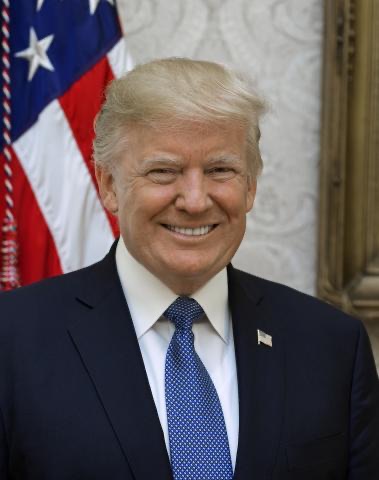
President of the United States (47th President, in office since January 2025)
U.S. Senator (R-MS), Chairman, Senate Armed Services Committee
civic action
Contact your senators about U.S. troop commitments to NATO allies
Congress has the power to appropriate funds for overseas deployments and to pass legislation on NATO commitments. Senate Armed Services Committee members oversee Pentagon spending and troop deployment decisions. Constituent calls on NATO policy are tracked and can influence committee hearing priorities, especially during defense budget season.
Hello, I am [NAME], a constituent from [CITY/STATE]. I am calling about the Pentagon's announcement to withdraw 5,000 U.S. troops from Germany.
Key concerns:
Questions to ask:
Specific request: I am asking Senator [NAME] to publicly state their position on the Germany troop withdrawal and to support hearings on U.S. NATO commitments.
Question: What is Senator [NAME]'s position on maintaining U.S. military commitments to NATO allies?
Thank you for your time.
research
Track Senate Armed Services Committee hearings on NATO troop levels
The Senate Armed Services Committee oversees the Department of Defense and holds hearings on major troop deployment decisions. Committee hearing schedules and transcripts are publicly available on congress.gov. Republican senators have already expressed concern about the withdrawal, making hearings a realistic possibility.
No call script needed. Visit armed-services.senate.gov or congress.gov to track upcoming hearings on U.S. NATO commitments and the Germany troop withdrawal. Sign up for committee notifications to receive hearing announcements and published transcripts.
research
Track European defense spending and independent EU military capacity
Each time Trump reduces U.S. commitments to NATO, European countries respond by accelerating their own defense spending. Germany announced a major defense budget increase in 2025. Tracking those decisions helps citizens understand whether the U.S. withdrawal is strengthening or weakening collective Western security. The European Defence Agency and NATO both publish defense spending data annually.
No call script needed. Visit nato.int and navigate to "Defence Expenditure" to track which NATO members meet the 2% GDP target. The European Defence Agency at eda.europa.eu publishes annual reports on European military capability. Comparing these numbers year-over-year shows how Trump's troop withdrawal pressure is reshaping European defense investment.